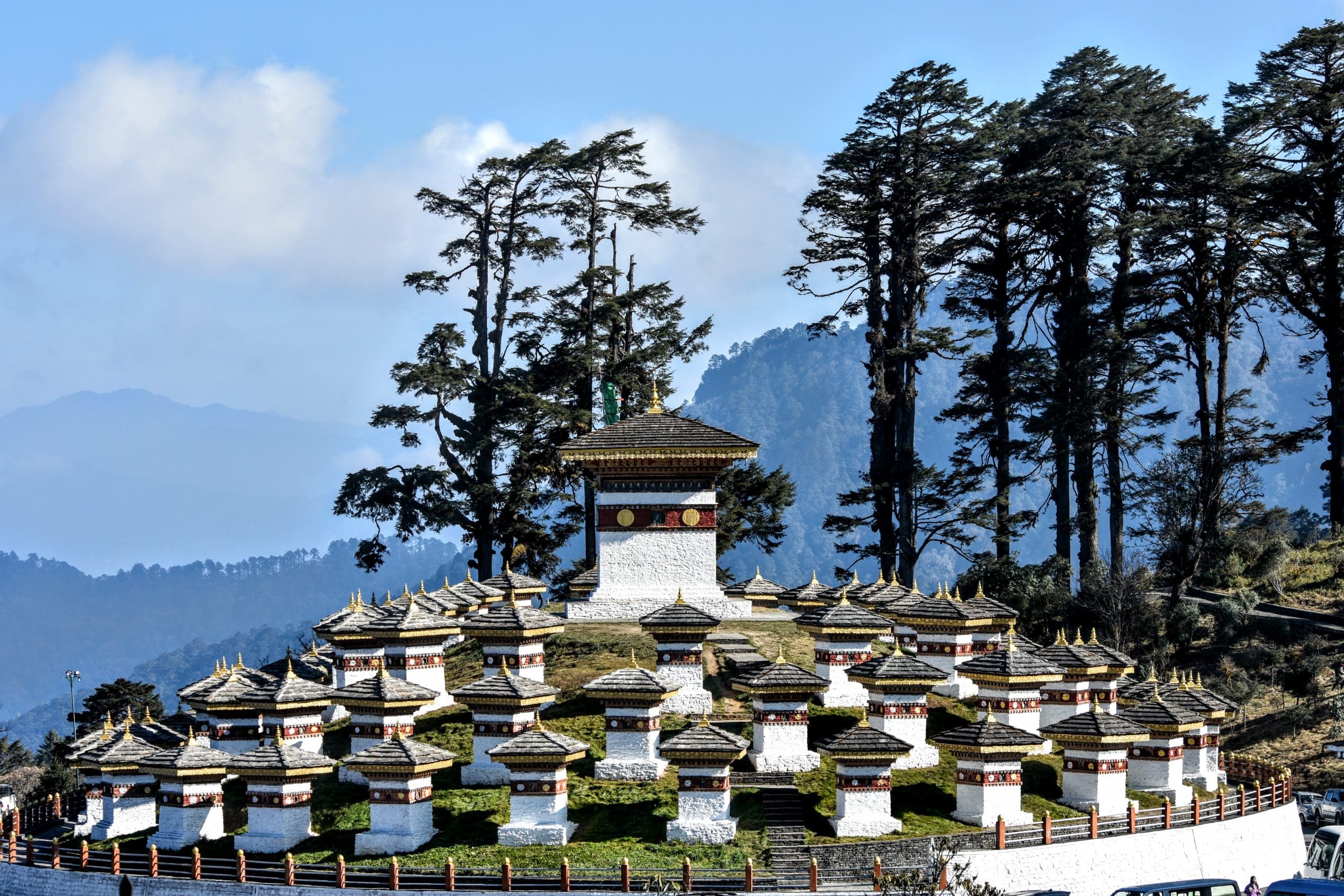

- Trek through pristine valleys, alpine meadows, dense forests, and remote yak-herder trails
- Cross high mountain passes with stunning Himalayan panoramas
- Explore sacred monasteries and spiritual sites in Bumthang
- Experience authentic Bhutanese culture in Bumthang, Punakha, Thimphu, and Paro
- Opportunities to spot blue sheep, marmots, Himalayan monals, and high-altitude birds
- Visit Tiger’s Nest Monastery and Dochula Pass
- Fully supported trek with experienced guides and camping crew
Trip overview
The Gangkhar Puensum Trek is one of Bhutan’s most iconic high-altitude adventures, taking travelers through remote valleys, alpine meadows, dense forests, and yak-herder settlements beneath the shadow of Bhutan’s highest peak. The journey blends dramatic Himalayan landscapes with rich cultural immersion, including visits to ancient monasteries, sacred temples, and traditional villages.Along the route, trekkers may spot Bhutanese wildlife such as blue sheep, Himalayan marmots, monal pheasants, and lammergeiers, while enjoying sweeping views of Gangkhar Puensum, the world’s highest unclimbed mountain. The trek also offers meaningful encounters with local culture, traditional food, and rural mountain life, perfect for travelers seeking both adventure and authenticity.
Why Book This Trek?
This journey combines challenging high-altitude trekking with deep cultural exploration across Bhutan’s most beautiful valleys. You’ll walk ancient yak-herder trails, cross remote Himalayan passes, and enjoy a well-paced itinerary with acclimatization days for safety and comfort. With full logistical support, experienced local guides, and immersive cultural experiences, this trek offers a rare opportunity to experience Bhutan’s wilderness, spirituality, and traditional way of life in one unforgettable adventure.
View
Itinerary
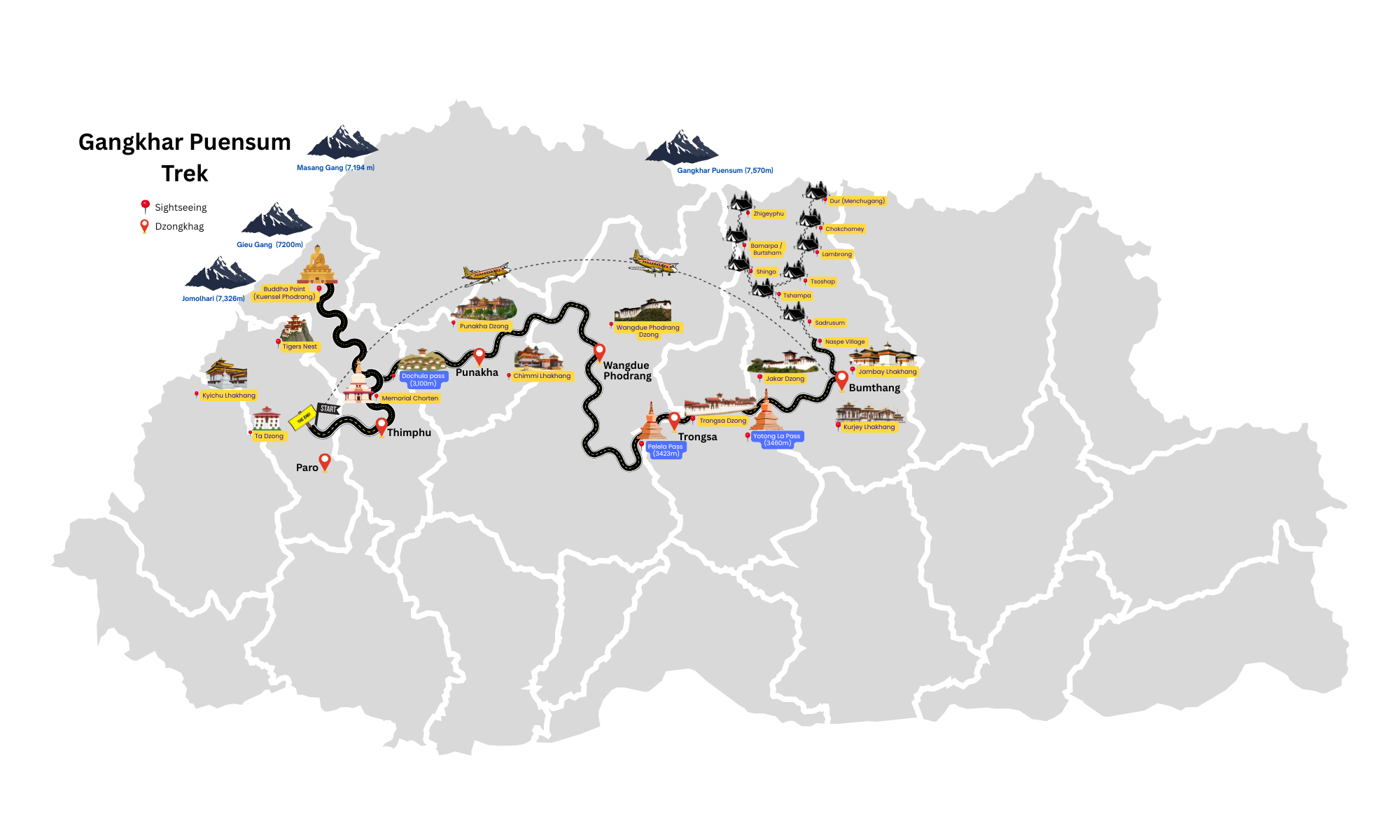
Arrival in Paro (2,280 m) – Paro Sightseeing
Arrive at Paro International Airport, one of the most spectacular landings in the Himalayas. On a clear day, you may see towering peaks such as Mount Jomolhari and Mount Jichu Drake. Upon arrival, you are warmly welcomed by your guide and offered light refreshments. Begin your exploration of Paro with a visit to Ta Dzong, a former watchtower now housing Bhutan’s National Museum, where traditional Bhutanese art, ancient weaponry, and historical artifacts offer insight into Bhutanese heritage. Continue to Rinpung Dzong, a 17th-century fortress blending religious and administrative functions, featuring beautifully painted murals, courtyards, and ornate architecture. End the day strolling through Paro town, observing local shops, markets, and traditional houses adorned with fluttering prayer flags.
Overnight stay at a hotel in Paro.
Paro – Bumthang (Domestic Flight: 35–39 minutes) – Bumthang Sightseeing (2,600 m)
After breakfast, take a scenic domestic flight from Paro to Bumthang, offering beautiful aerial views of forested valleys, winding rivers, and, on clear days, snow-capped Himalayan peaks. On arrival in Bumthang, the spiritual heartland of Bhutan, begin cultural sightseeing with a visit to Jambay Lhakhang, one of the country’s oldest temples, known for its sacred relics and simple ancient architecture. Continue to Kurjey Lhakhang, built around the rock bearing Guru Rinpoche’s body imprint, an important pilgrimage site surrounded by peaceful gardens.
Later, visit Tamshing Monastery, founded by Terton Pema Lingpa and known for its historic murals and prayer halls, followed by Kharchu Dratsang, a major monastic school that offers insight into the daily life of young monks. End the day at Jakar Dzong, the “Castle of the White Bird,” overlooking the valley and serving as Bumthang’s administrative and spiritual center. Enjoy a relaxed evening to acclimatize.
Overnight at a guesthouse in Bumthang
Trek Start – Bumthang to Naspe Village | Naspe to Sadrusum
Distance: 13.5 km | Duration: 5–6 hours | Camp Elevation: 3,060 m
After an early breakfast in Bumthang, drive through scenic valleys and pine forests to Naspe Village, the starting point of your trek. Meet your trekking crew and begin walking along a well-defined trail that gradually ascends through mixed pine, fir, and rhododendron forests. The path follows mountain streams and passes small stone shelters used by seasonal yak herders. As you gain altitude, the forest begins to thin and open clearings provide occasional views of distant ridgelines.
By late afternoon, reach Sadrusum, a tranquil campsite set in a broad alpine meadow surrounded by forested slopes and rolling highland terrain. This is your first night immersed in Bhutan’s remote mountain wilderness.
Overnight Camp at Sadrusum.
Sadrusum to Tshampa
Distance: 16 km | Duration: 6–7 hours | Camp Elevation: 3,710 m
Today’s trek climbs steadily through dense bamboo groves and high-altitude rhododendron forests. As you ascend, the landscape gradually opens into wide alpine slopes, with cooler air and expanding views across distant ridgelines and valleys. The trail crosses small mountain streams and traditional yak trails, and you may spot Himalayan birds along the way. By afternoon, arrive at Tshampa, a spacious yak-grazing pasture set in open meadows. The campsite offers wide panoramic views and beautiful evening light over the surrounding mountains.
Overnight Camp at Tshampa.
Tshampa to Shingo
Distance: 12 km | Duration: 5–6 hours | Camp Elevation: 4,200 m
Leave Tshampa and continue across rolling alpine terrain, following traditional yak herding routes over gentle ridges and wide plateaus. The scenery becomes increasingly dramatic as distant snow-dusted peaks appear on the horizon on clear days. The trail undulates through open grasslands and rocky patches, offering uninterrupted views of the high Himalayan landscape. By late afternoon, reach Shingo, a striking high-altitude campsite set in a broad mountain basin beneath towering ridgelines, where the silence and vastness of the landscape create a powerful sense of remoteness.
Overnight Camp at Shingo.
Shingo to Bamarpa / Burtsham
Distance: 13 km | Duration: 5–6 hours | Camp Elevation: 4,550 m
Today’s route continues through expansive alpine pastures and open highland terrain used by yak herders during the summer months. The trail crosses small glacial-fed streams and gently climbs across wide valleys with sweeping views of rugged peaks and distant ridges. The environment feels increasingly raw and remote as vegetation thins and the horizon opens up. By afternoon, arrive at Bamarpa (Burtsham), a dramatic high-altitude pasture surrounded by towering mountains and vast open sky. The rest of the day is ideal for resting, photography, and quietly absorbing the grandeur of the high Himalayas.
Overnight Camp at Bamarpa / Burtsham.
Halt at Bamarpa / Burtsham – Acclimatization Day
Camp Elevation: 4,550 m
Spend the day acclimatizing in this spectacular high-altitude basin. Optional short walks to nearby ridgelines provide breathtaking views over glacial valleys and surrounding snow-capped peaks. You may see yak herds grazing in the distance and prayer flags fluttering along high points. The remainder of the day is reserved for rest, hydration, and enjoying the stillness and clarity of the mountain environment in preparation for the higher sections of the trek ahead.
Overnight Camp at Bamarpa / Burtsham.
Burtsham to Zhigeyphu
Distance: 10 km | Duration: 4–5 hours | Camp Elevation: 4,980 m
Today’s trek enters dramatic glacial terrain beneath towering rock walls and snow-streaked cliffs. The trail follows broad alpine basins carved by ancient glaciers, crossing small icy streams and open gravel flats. The sense of remoteness deepens as the landscape becomes more rugged and expansive. By afternoon, reach Zhigeyphu, one of the highest camps on the trek, set in a wild, remote cirque surrounded by sheer mountain walls and high ridgelines. The views here are vast and unforgettable, especially in the golden light of late afternoon.
Overnight Camp at Zhigeyphu.
Zhigeyphu – Exploration & Acclimatization Day
Camp Elevation: 4,980 m
Spend a full day resting and exploring the dramatic high-altitude surroundings of Zhigeyphu. Optional short walks lead to nearby viewpoints overlooking expansive glacial valleys, ice-polished slopes, and distant snow-covered peaks. The crisp mountain air, silence, and immense scale of the landscape make this one of the most memorable and humbling locations of the entire journey. This day also allows your body to adjust before the long descent ahead.
Overnight Camp at Zhigeyphu.
Zhigeyphu to Tshampa
Distance: 24 km | Duration: 7–8 hours | Camp Elevation: 3,710 m
A long but rewarding day of descent from the high glacial valley back toward Tshampa. The trail retraces alpine basins and rolling slopes, gradually transitioning from stark, rocky terrain to greener meadows and yak pastures. As you lose altitude, vegetation returns and the air becomes warmer and easier to breathe. Arrive back at Tshampa by late afternoon, where the
familiar open meadows and sheltered campsite provide a welcome sense of comfort after the remote high-altitude sections.
Overnight Camp at Tshampa.
Tshampa to Tsoshap
Distance: 14 km | Duration: 5–6 hours | Camp Elevation: 4,470 m
From Tshampa, the trail climbs steadily into a high hanging valley, crossing rocky slopes, alpine grasslands, and narrow ridgelines. The scenery is rugged and dramatic, with wide views across distant valleys and layered mountain ranges. This quieter section of the trek feels especially remote, with few signs of human presence. By afternoon, reach Tsoshap, a secluded campsite nestled in a high alpine bowl, surrounded by steep ridges and open sky.
Overnight Camp at Tsoshap.
Tsoshap to Lambrong
Distance: 14 km | Duration: 5–6 hours | Camp Elevation: 4,090 m
Today’s route traverses high mountain terrain, contouring along ridgelines and open slopes with wide Himalayan views. The trail passes through alpine grasslands and rocky sections, with sweeping panoramas of surrounding peaks and valleys. The descent into Lambrong Valley brings subtle changes in vegetation and shelter from the wind. Arrive at Lambrong, a broad alpine campsite set beside mountain streams and rolling meadows, offering a peaceful setting to rest after a high-altitude day.
Overnight Camp at Lambrong.
Lambrong to Chokchomey
Distance: 15 km | Duration: 5–6 hours | Camp Elevation: 3,200 m
Descend gradually from high alpine terrain into greener slopes dotted with shrubs and seasonal wildflowers. The landscape softens as you re-enter lower valleys, with more vegetation, birdlife, and flowing streams along the trail. The path follows traditional herding routes into the sheltered valley of Chokchomey, where rolling hills and forested slopes create a peaceful campsite. The warmer air and gentler terrain make this a comfortable and relaxing trekking day.
Overnight Camp at Chokchomey.
Chokchomey to Dur (Menchugang) – Trek Ends | Transfer to Bumthang
Distance: 12 km | Duration: 3–4 hours | Camp Elevation: 2,900 m
On the final day of trekking, follow forested trails and gentle river paths as you descend through pine forests and lush valleys toward Dur (Menchugang). The terrain gradually widens and becomes more settled, marking the natural end of your remote mountain journey. At the roadhead, meet your vehicle and transfer back to Bumthang, enjoying scenic views of the valley as you return to civilization. Celebrate the completion of your high Himalayan trek with a comfortable evening in Bumthang.
Overnight Hotel or Guesthouse in Bumthang.
Bumthang – Punakha
Distance: Drive approx. 7–8 hours
Depart early in the morning from Bumthang for Punakha, enjoying scenic mountain roads and panoramic valley views along the way. En route, stop at Chendebji Chorten, a 17th-century stupa modeled after the famous Boudhanath Stupa of Nepal, set amidst lush green surroundings—an ideal spot for photographs and a short break for lunch. Continue descending into the Punakha Valley, one of Bhutan’s most fertile and picturesque regions, with vibrant rice paddies, meandering rivers, and a mild, pleasant climate. Upon arrival, check into your hotel and spend the evening relaxing or strolling through the valley, soaking in the serene landscapes and local village life.
Overnight at a hotel in Punakha.
Punakha – Thimphu – Paro
Distance: Punakha to Paro – 3–4 hours
After breakfast, start the day with a visit to Punakha Dzong, the iconic fortress at the confluence of the Pho Chu and Mo Chu rivers. Explore its grand courtyards, intricate woodwork, and vibrant murals, and learn about its significance as the winter residence of central monks and visit Chimmi Lhakhang the Fertility Temple. Continue to Thimphu, stopping at Simply Bhutan, an interactive living museum where artisans demonstrate traditional Bhutanese crafts, weaving, and rural life practices, giving you an immersive experience of Bhutanese culture. Visit Buddha Dordenma, the massive bronze statue overlooking the valley, and explore local handicraft centers for weaving, wood carving, and paper-making. In the late afternoon, drive to Paro, enjoying the scenic mountain roads and lush valleys along the way, and check into your hotel for an evening of rest.
Overnight at hotel in Paro.
Paro – Taktsang (Tiger’s Nest, 3,120 m) Kyichu & Paro Town
Begin the day with a morning hike to Taktsang Monastery, famously perched 900 meters above Paro Valley. The trail winds through dense pine forests, past cascading waterfalls, prayer flags fluttering in the breeze, and small meditation caves where monks have practiced
for centuries. The round-trip hike takes approximately 5 hours, offering breathtaking panoramic views of the valley and surrounding Himalayan peaks. At the monastery, take time to soak in the spiritual atmosphere, admire the cliffside architecture, and enjoy the spectacular vistas. After descending, visit Kyichu Lhakhang, one of Bhutan’s oldest temples, known for its serene courtyard and ancient relics. Conclude the day with a stroll through Paro town, exploring local shops, traditional markets, and enjoying authentic Bhutanese experiences.
Overnight at hotel in Paro.
Departure from Paro
After breakfast, transfer to Paro International Airport for your onward flight, departing Bhutan with unforgettable memories of the pristine valleys, sacred monasteries, high-altitude trekking, and rich Bhutanese culture.


Ask our
travel expert
to start
planning your
tailor-made holiday
Connect With Our Experts or Arrange a Video Appointment For Ideas & Advice.

Hotels/Accommodations
Our Bhutan tour packages are specifically curated with the travellers in mind. As a reputable Bhutan travel agency, for the past 23 years, our tour guides and travel specialists have dedicatedly served travellers from all over the world. We want to show you what Bhutan has to offer, and we’re committed to making your trip to Bhutan a special and memorable one. We have a deep love for the Kingdom, and we hope that you’ll come to love it too.


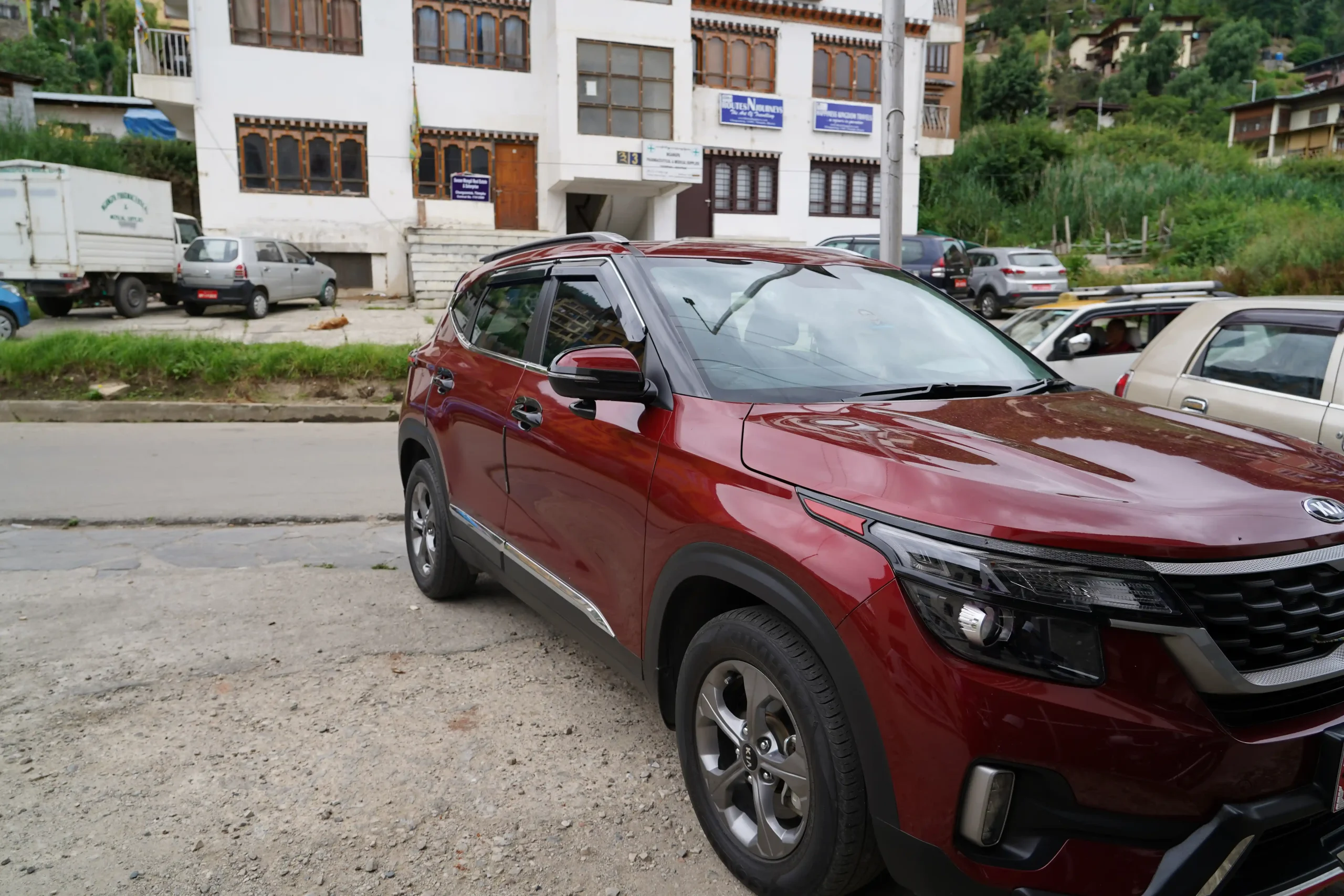
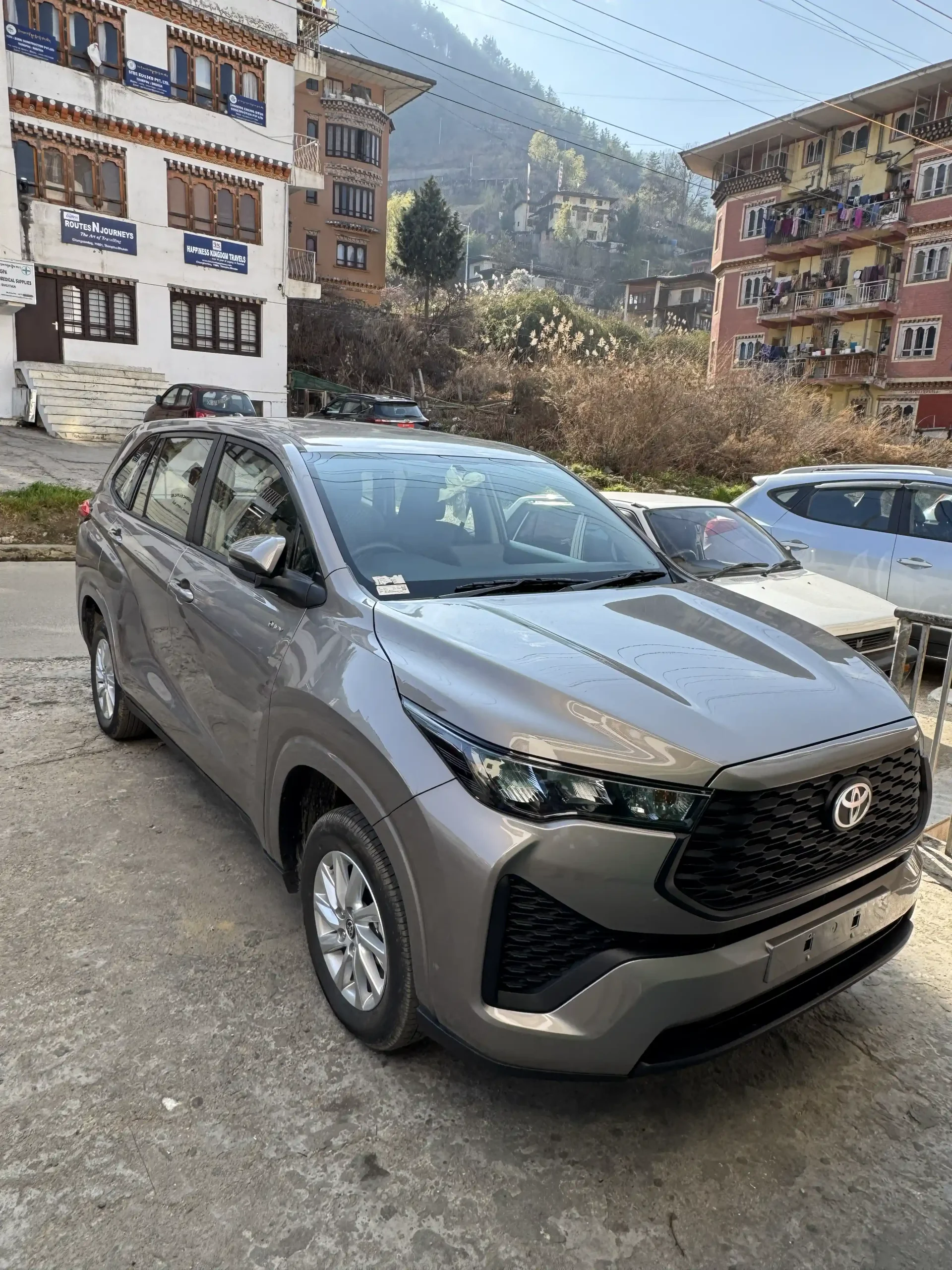
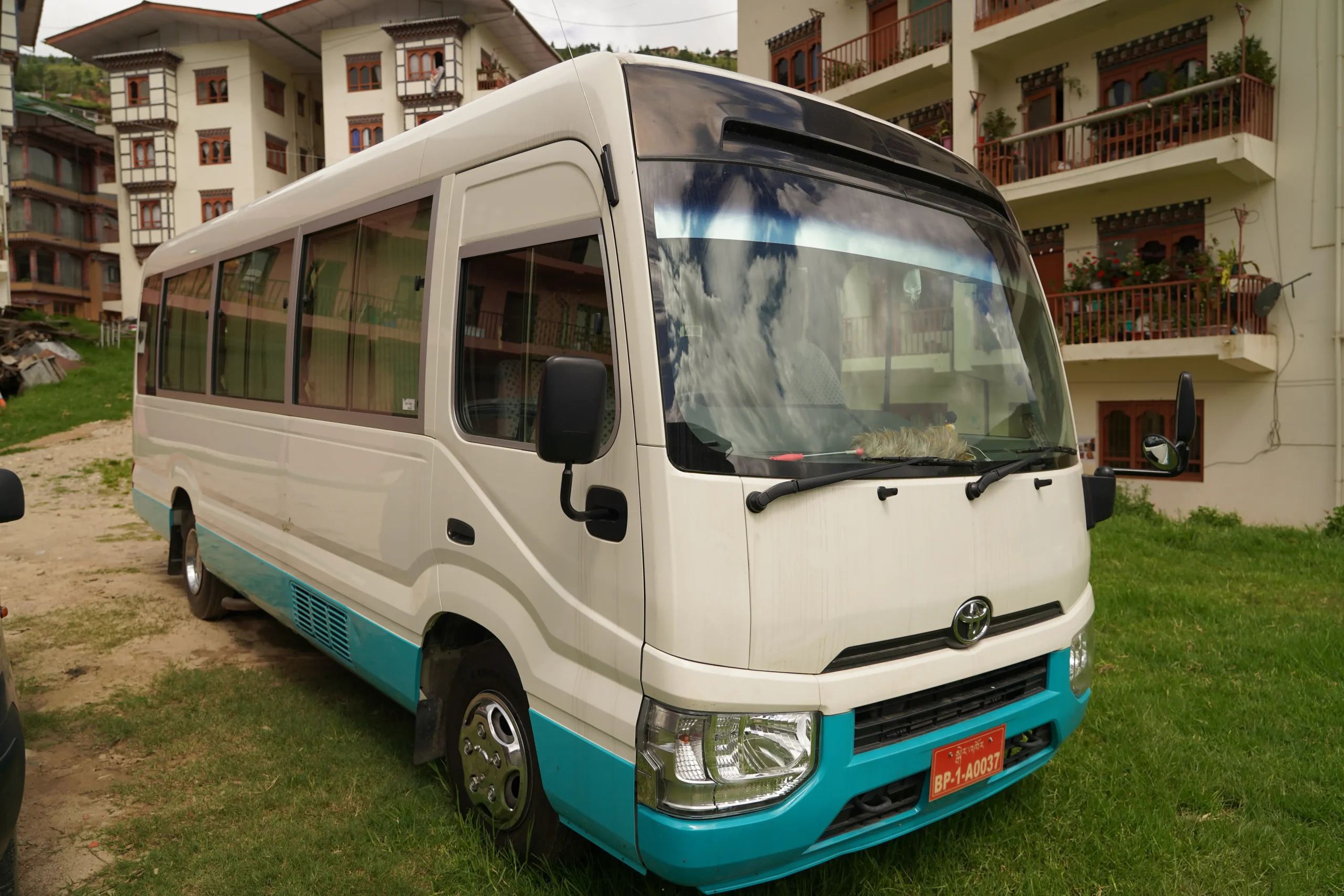
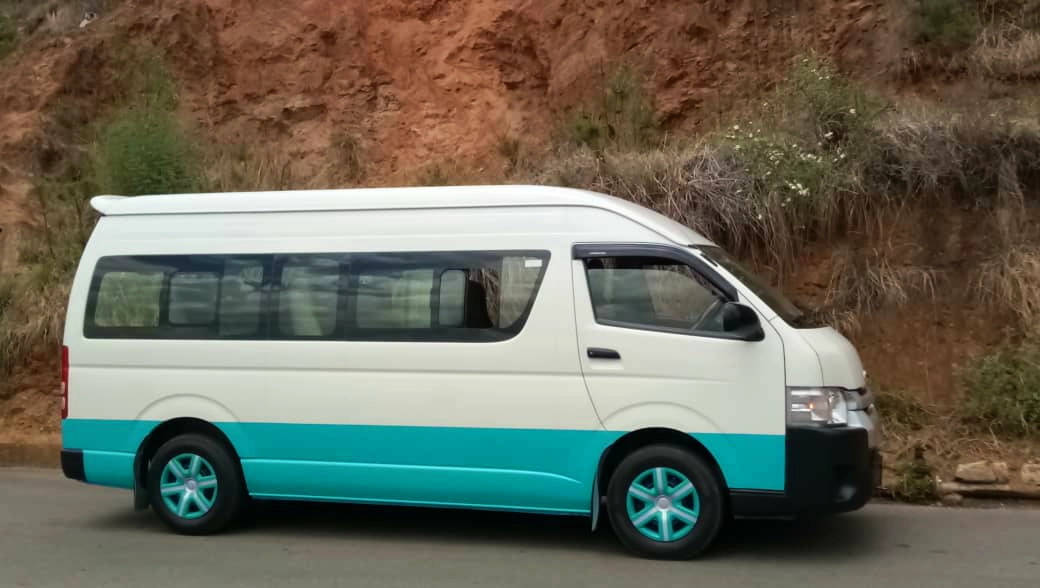
Transportation
Restaurants











Related trips