
- Bumthang Cultural Circuit – Visit Jakar Dzong, Kurjey Lhakhang, Tamzhing Monastery, and local markets while birding scenic valleys.
- Ura Valley Birding – Spot high-altitude species such as Gray-crested Tit, Chestnut-crowned Warbler, and Scarlet Finch.
- Eastern Bhutan Avifauna – Explore Mongar, Trashigang, Tashi Yangtse, and Samdrup Jongkhar for Satyr Tragopan, Rufous-necked Hornbill, Ward’s Trogon, and other rare species.
- Diverse Habitats – From alpine meadows to subtropical forests, experience Bhutan’s ecological richness and endemic wildlife.
- Photography Opportunities – Capture vibrant birds, misty valleys, traditional architecture, and local village life.
Trip overview
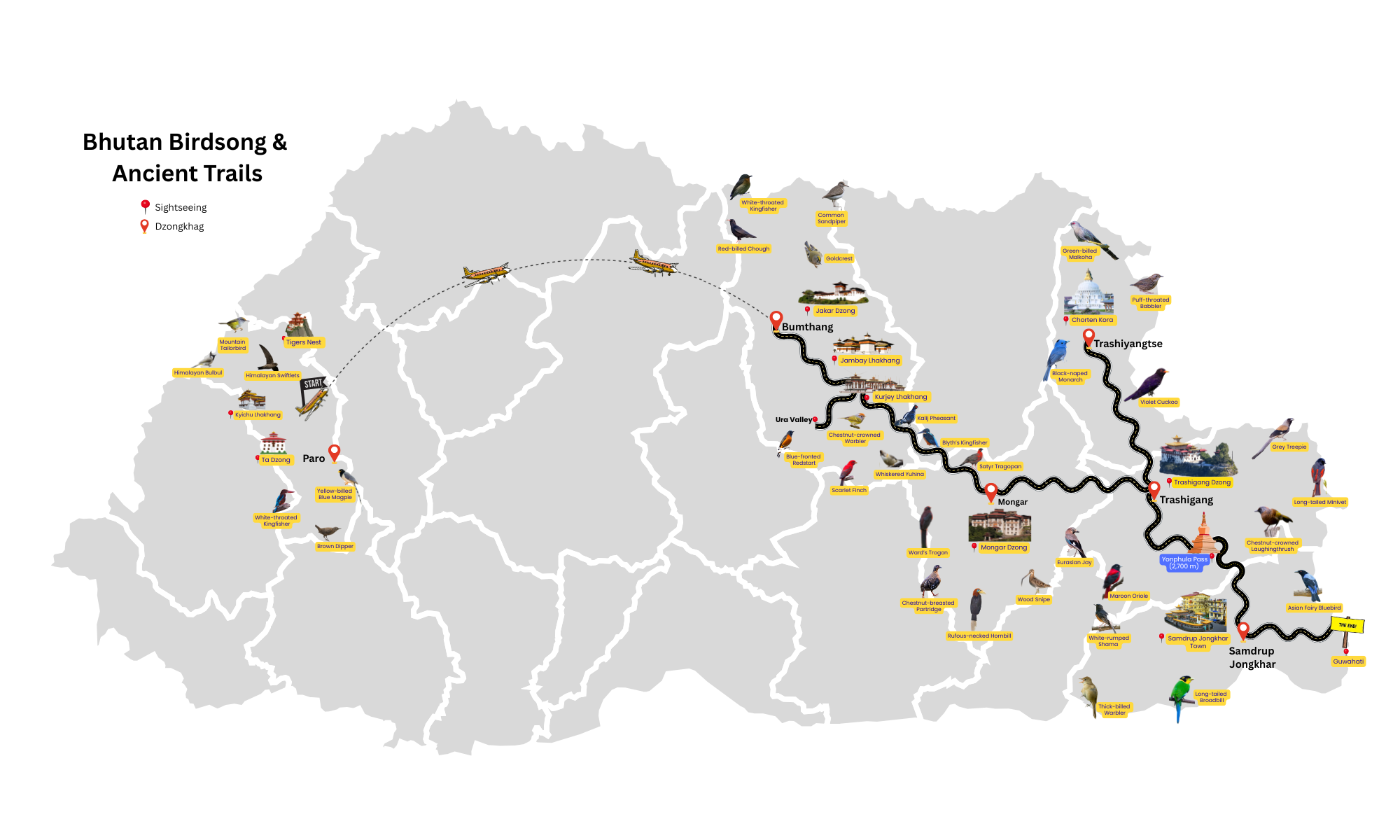
Embark on a 10-day journey through Bhutan, combining cultural discovery with world-class birding. From the iconic Tiger’s Nest Monastery in Paro to the pristine valleys of Bumthang, Ura, Mongar, Trashigang, and Samdrup Jongkhar, experience the country’s rich landscapes and traditions. Bhutan is home to over 670 bird species, including rare Himalayan endemics and tropical forest specialists. The best birding season is spring (March–May) and autumn (September–November), when migratory and resident species are most active. Top birding hotspots include Paro Valley (Ibisbill along the river), Ura and Bumthang Valleys (high-altitude species like Scarlet Finch and Gray-crested Tit), and Eastern Bhutan’s Mongar, Trashigang, and Samdrup Jongkhar (Satyr Tragopan, Rufous-necked Hornbill, Ward’s Trogon). Early mornings and late afternoons are the ideal times for spotting birds, providing opportunities for both photography and close wildlife encounters while exploring Bhutan’s cultural treasures.
Why Book Your Trip Now?
- Witness migratory and resident Himalayan birds in their prime, including several endemic species found only in Bhutan.
- Travel through less-visited regions of eastern Bhutan with expert guides who know the best birding and cultural spots.
- Blend wildlife exploration with visits to some of Bhutan’s most iconic and sacred sites.
- This itinerary balances trekking, sightseeing, and birding, offering a holistic Bhutanese experience suitable for both avid birders and culture enthusiasts.
- Eastern Bhutan’s remote valleys are not crowded, making this a rare opportunity to explore Bhutan off the beaten path.
View
Itinerary
Arrival in Paro
You arrive at Paro International Airport, where your local guide will welcome you. After check-in at your hotel in Paro, take some time to relax and acclimatize. In the afternoon, explore the immediate surroundings of Paro, including the Paro Dzong, the Ta Dzong Museum, and the town’s charming streets and temples.
Even on this light day, birding opportunities exist near the Paro River and surrounding forests. Keep an eye out for Ibisbill along the river, as well as White-throated Kingfisher, Brown Dipper, Eurasian Jay, and Yellow-billed Blue Magpie in the valley. This gentle introduction combines culture and a chance to start spotting Bhutan’s unique Himalayan bird species.
Climb to Tiger’s Nest Monastery (Paro Taktsang)
Early morning drive to Paro Valley and embark on the scenic hike to the iconic Tiger’s Nest Monastery (Paro Taktsang). The trail passes through pine and rhododendron forests and offers excellent chances of seeing birds such as Chestnut-headed Tesia, Himalayan Bulbul, Rufous-throated Wren-Babbler, and Mountain Tailorbird. As you ascend, keep an eye out for warblers, flycatchers (e.g. Ultramarine and little Pied Flycatchers), and Himalayan Swiftlets. Cultural sightseeing includes views of Paro Dzong and surrounding monasteries. After the climb, return to Paro/Thimphu for overnight.
Domestic Flight to Bumthang • Cultural Sightseeing + Birding
Take a morning flight to Bumthang (central Bhutan). The Bumthang area, at around 2,700–3,000 m elevation, features open farmland, meadows, and riparian habitats that attract species such as Common Sandpiper, Little Bunting, Spotted Nutcracker, Red-billed Chough, and Goldcrest. In the afternoon, visit famous cultural sites:
- Jakar Dzong
- Kurjey Lhakhang
- Tamzhing Temple
- Local markets
While sightseeing, look for Russet Sparrow, Himalayan Bluetail, and Rufous-throated Flycatchers along distant forest edges.
Bumthang to Ura Valley Birding
Drive from Bumthang through rolling hills into Ura Valley, elevating to around 3,100 m. Ura is a scenic highland region with open meadows and scattered woodland. Excellent birding here includes:
- Gray-crested Tit
- Black-throated Bushtit
- Fulvous Parrotbill
- Chestnut-crowned Warbler
- Black-throated Redstart
- Scarlet Finch
- Verditer Flycatcher
- Whiskered Yuhina
- Blue-fronted Redstart
Cultural highlights include traditional hamlets and panoramic Himalayan views. Spend the night in Ura or return to Bumthang, depending on your plan.
Bumthang to Mongar • Birding En Route
Depart Bumthang early for eastern Bhutan and Mongar. The road traverses forested valleys and high passes with diverse birdlife. Common and notable birds along the way include:
- Satyr Tragopan
- Kalij Pheasant
- Blood Pheasant
- Himalayan Monal (seasonal)
- Ward’s Trogon
- Rufous-necked Hornbill
- Blyth’s Kingfisher
- Rufous-throated Wren-Babbler
- Chestnut-breasted Partridge
Arrive in Mongar late afternoon. Explore the small town and its surroundings, listening for calls of drongos, magpies, and laughingthrushes.
Mongar Birding
Spend a full day birding around Mongar and surrounding forests at elevations from subtropical valleys up to temperate slopes in Phrumsengla National Park. This area is rich in avian diversity:
- Rufous-necked Hornbill
- Satyr and Grey-bellied Tragopans
- Ward’s Trogon (a highly prized target species)
- Chestnut-breasted Partridge
- Beautiful Nuthatch
- Wood Snipe
- Various Laughingthrushes and Flycatchers
Forest streams and clearings offer chances to see forktails, dippers, and sunbirds, especially during early morning and late afternoon.
Mongar to Trashigang • Birding En Route
Drive from Mongar to Trashigang, heading into more subtropical and lowland dipterocarp forests. Birding here is excellent for both Himalayan and tropical species. In transit and near Trashigang, typical sightings include:
- Yellow-billed Blue Magpie
- Grey Treepie
- Eurasian Jay
- Maroon Oriole
- Long-tailed Minivet
- Ultramarine Flycatcher
- Rufous-bellied Niltava
- White-tailed Nuthatch
- Chestnut-crowned Laughingthrush
Cultural stops may include local Dzongs, chortens, and village monasteries, blending natural and cultural exploration.
Trashigang to Tashi Yangtse and Return • Eastern Birding
Take a day trip from Trashigang to Tashi Yangtse (and back) to explore Bumdeling Wildlife Sanctuary, an area known for lower-elevation montane and subtropical forest species. Bird highlights of this region include:
- Black-naped Monarch
- Asian Paradise Flycatcher
- Violet Cuckoo
- Great and Oriental-pied Hornbills
- Green-billed Malkoha
- Ruby-cheeked Sunbird
- Puff-throated Babbler
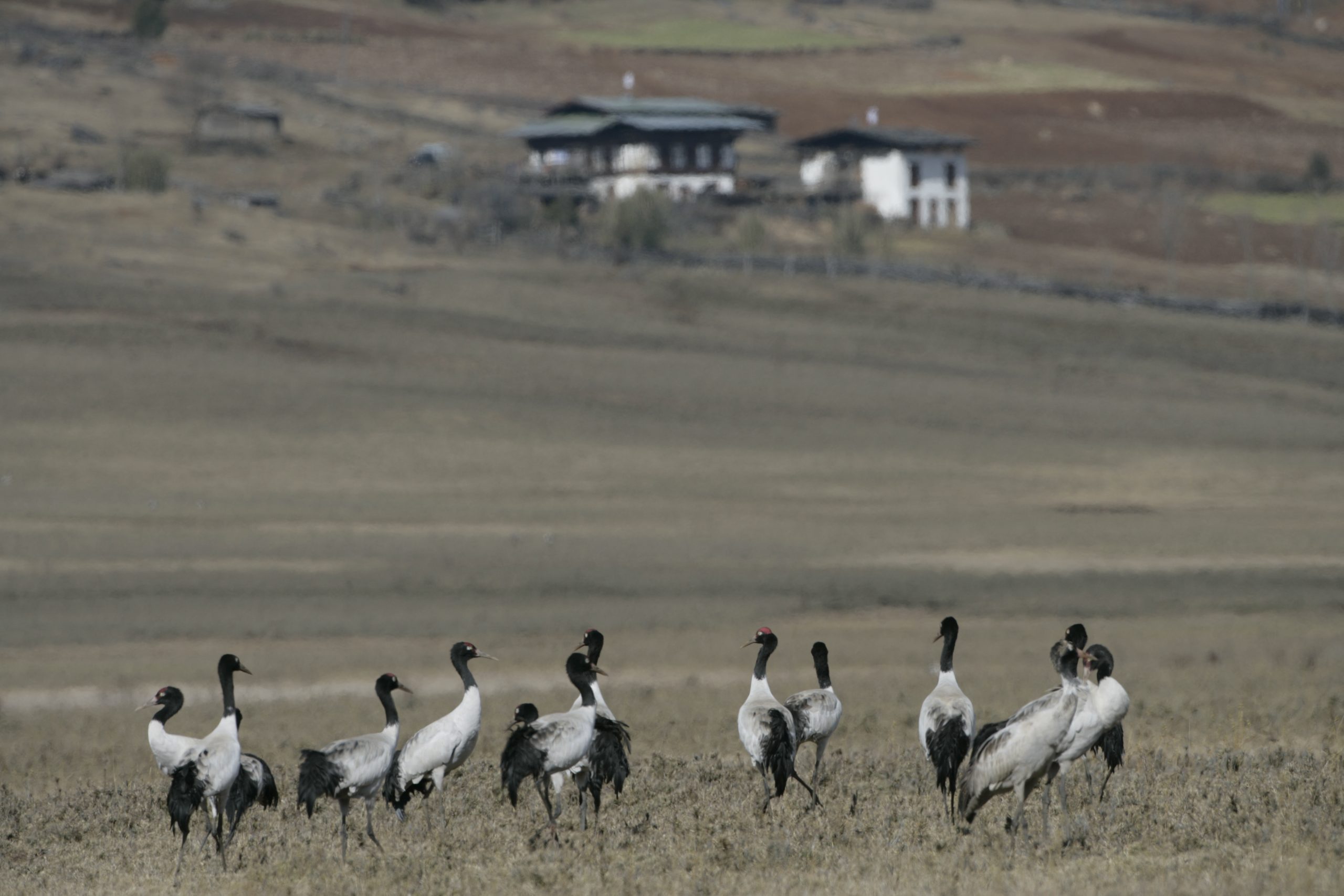
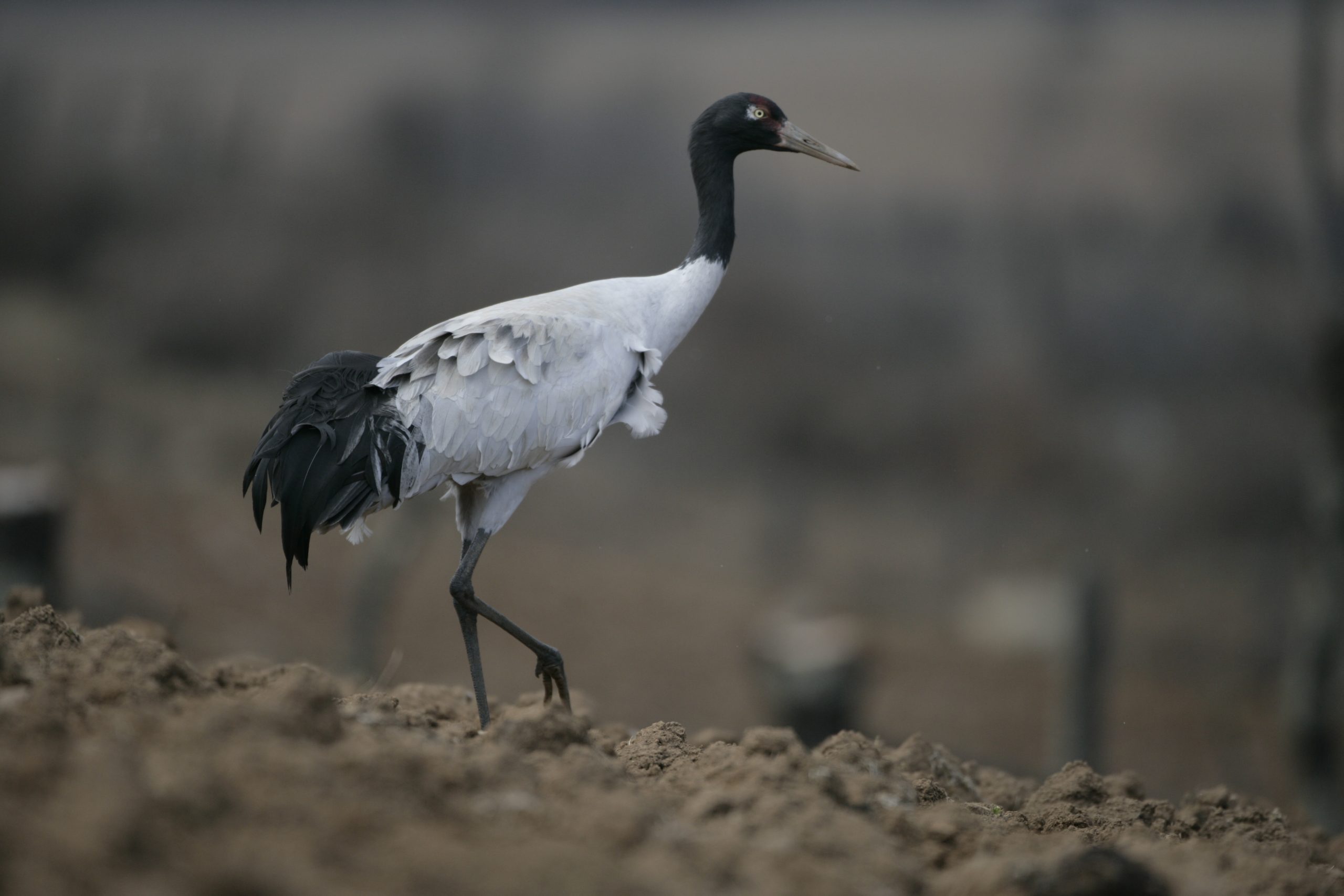
This is also one of Bhutan’s important bird areas and supports species such as Black-necked Crane (seasonal) and Grey-crowned Prinia albeit more commonly at lower altitudes nearby.
Trashigang to Samdrup Jongkhar • Lowland Birding
Today you leave Trashigang for Samdrup Jongkhar in the subtropical lowlands near the Indian border. This is one of Bhutan’s richest birding areas with some 300+ species recorded, representing the transition from Himalayan to tropical fauna. Key birds here include:
- Asian Fairy Bluebird
- Black-naped Monarch
- Long-tailed Broadbill
- Greater Racket-tailed Drongo
- Lineated and Coppersmith Barbets
- Hooded Pitta (rare)
- Oriental-pied and Wreathed Hornbills
- Thick-billed Warbler
- White-rumped Shama
Spend late afternoon exploring local forest edges and riverine habitats as you approach the Indian border.
Exit into India
After a final breakfast in Samdrup Jongkhar, complete border formalities and exit into India (e.g., Assam or West Bengal), continuing your onward journey.
Cost Details
Cost includes
- Accommodation
- Full Board Meals
- English speaking Guide
- Transportation
- Entrance fee, Visa fee
- Unlimited bottles of mineral water
- Applicable government taxes(5%GST)
- SDF
- Trying out of traditional Bhutan attire.
Cost exclusion
- Medical & personal insurance
- Personal expenses
- Emergency evacuation charges
- Tips for the guide and driver
- Airfare
- Pony Ride to Taktshang (Tiger Nest)
- Hot Stone Bath
- Raffting



Ask our
travel expert
to start
planning your
tailor-made holiday
Connect With Our Experts or Arrange a Video Appointment For Ideas & Advice.

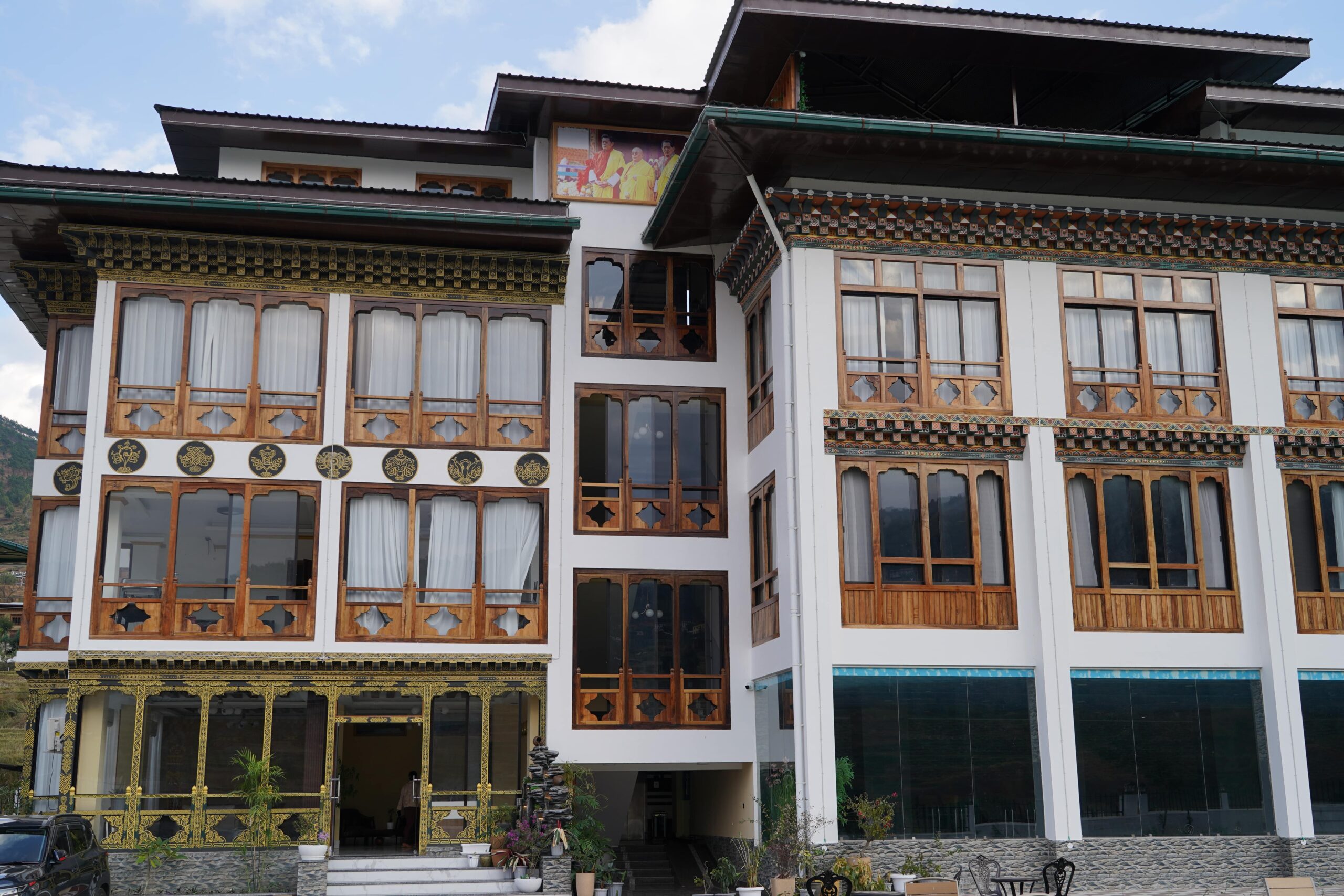
Hotels/Accommodations
Our Bhutan tour packages are specifically curated with the travellers in mind. As a reputable Bhutan travel agency, for the past 23 years, our tour guides and travel specialists have dedicatedly served travellers from all over the world. We want to show you what Bhutan has to offer, and we’re committed to making your trip to Bhutan a special and memorable one. We have a deep love for the Kingdom, and we hope that you’ll come to love it too.


Transportation


Restaurants
Related trips