
How to Handle Altitude Sickness During Bhutan Trekking
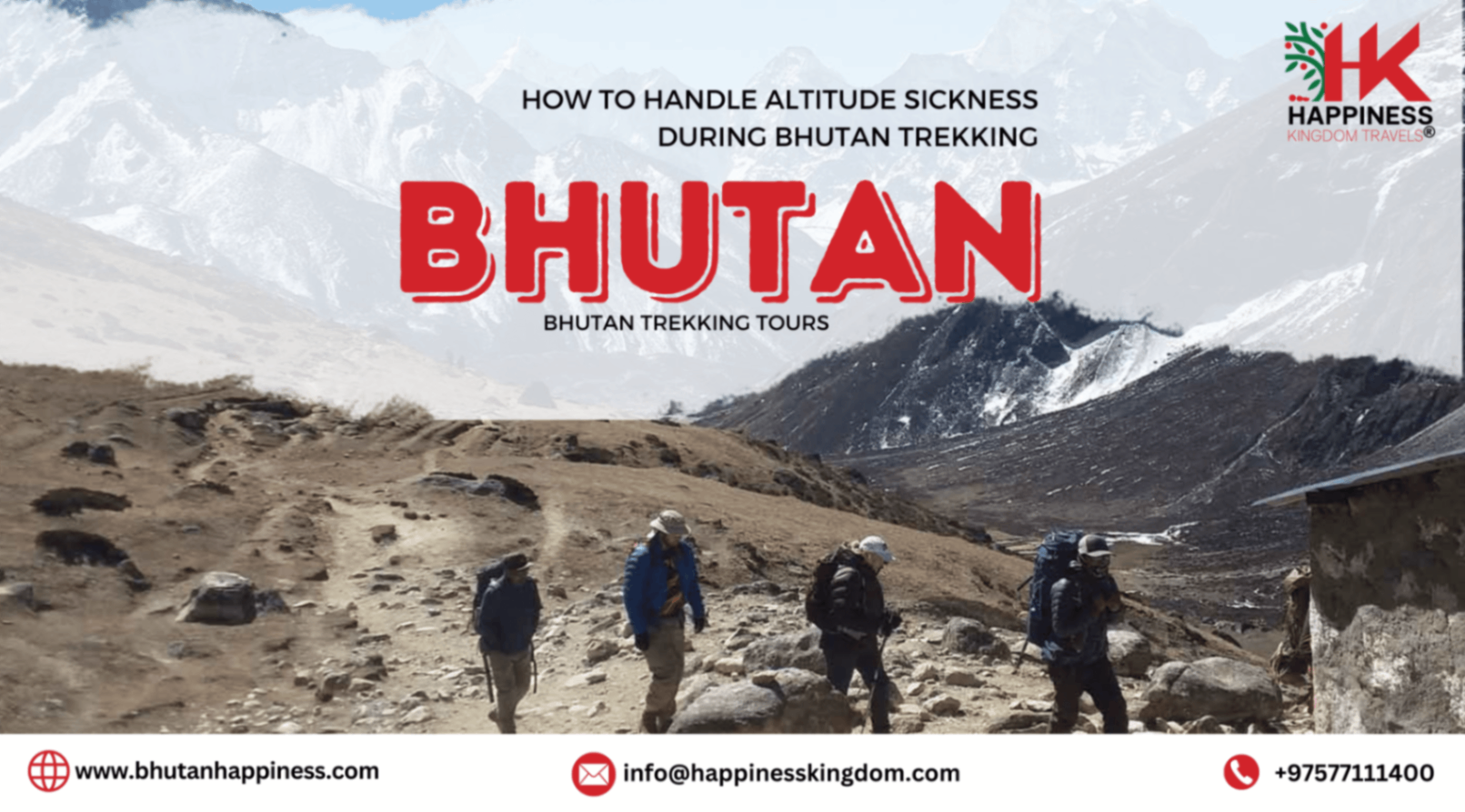
Trekking to Bhutan’s Himalayan ranges is no less than a dream adventure. A trek offers a great variety of landscapes plus spiritual temples located near the valleys, it offers stunning beauty and real altitude. At an altitude of over 2,500–3,000 meters, the chance of suffering from Acute Mountain Sickness (AMS) soars.
Knowing the ways of preventing, recognizing, and treating AMS is important for a safe and pleasant Bhutan trekking tours experience. The present guide delivers you the science-based, comprehensive precautions so that you can trek smarter.
What is AMS & Why Does It Happen?
Acute Mountain Sickness (AMS) develops when the body is subjected to the higher altitudes that have lower air pressure and less oxygen. On most of the Himalayan routes in Bhutan, trekkers quickly move up to 3,500-5,500 m zones. At these elevations, the amount of oxygen in the blood decreases, breathing becomes more difficult, sleep is disturbed, and in extreme cases, fluids can gather in the brain (cerebral edema) or lungs (pulmonary edema). The symptoms of AMS usually start after 6-12 hours of an increase in altitude.
Key Prevention Strategies
-
Ascend Gradually (“Walk high, sleep low”)
The trekking itinerary should be planned in such a way that the daily increase in elevation is minimal. Above ~3,000 m, aim for no more than ~300-500 m gain per day, and take a day off after every 2-3 days of ascension. If it is feasible, sleep at a lower altitude.
-
Hydration and Nutrition
You should drink more water than your estimate, as a dehydrated condition simulates or worsens AMS. To support metabolism under low oxygen conditions, eat a high-carbohydrate diet. It is best to avoid alcohol, sedatives, and caffeine during the ascent as they hinder the acclimatization process.
-
Rest and Avoid Overexertion
Maintain a slow and easy pace. If you are really out of breath or if you cannot talk, then it is time to slow down. Early rest days (no strenuous hike) help your body adjust. Sufficient sleep is crucial: poor sleep hinders recovery.
-
Use of Prophylactic Medication (Diamox / Acetazolamide)
For many trekkers throughout Bhutan trekking tours, especially those rapidly climbing or reaching altitudes of approximately ~3,500-4,000 meters, acetazolamide (Diamox) is the standard preventive medication.
The typical prophylactic dosage is 125mg twice daily (morning + evening) starting 24 – 48 hours before the climb and continuing for the first 2 – 3 days at the higher altitude.
In certain instances, the dosage may be escalated to 250 mg twice daily under a doctor’s supervision. Please note: this is a prescription drug—consult your physician, particularly if you have a sulfa allergy or have kidney or liver problems.
-
Watch for Symptoms using Standard Tools
The Lake Louise Score can be used to evaluate AMS: headache is mandatory along with different symptoms (nausea, dizziness/lightheadedness, fatigue/weakness, sleep disturbance). A cumulative score of 3 or more indicates AMS.
If you possess a pulse oximeter, regularly check your oxygen saturation (if you have one). Guides on numerous high-altitude treks in the Himalayas use them daily.
Practical Tips for Bhutan Trekkers
- Take Diamox one day before and during the hike to high altitude areas (above ~3,500 m). Do not think that you can manage by first noticing the symptoms.
- The visiting schedules in Bhutan should consist of resting days, particularly when passes are crossed or when high camps are reached.
- Going down to a bit lower altitude is very beneficial. Do not just continue walking to the next high camp when you feel sick.
- Bring with you the basic medicines: Diamox, nausea preventatives (if prescribed), pain relievers for headache—but these are not substitutes for going down, they are supplements.
- If possible, use a pulse oximeter; it provides objective data.
- Nights are the most dangerous times: pulmonary oedema sometimes gets worse during sleep.
Among the measures that help are sleeping in a warm and dry environment, using a tight sleeping bag, and not overheating.
When to Get Help / Descend
Descending should be done immediately if any of these conditions arise:
- Mental confusion or the inability to walk properly (HACE signs).
- Very difficult breathing even when not exerting, particularly if there is also chest tightness or if lips/fingers are turning purple (HAPE).
- Oxygen saturation level goes down to around 80% or less and does not get any better with rest or oxygen (if available).
- Any sign that is so intense that you cannot take in food, fluids, or sleep.
Conclusion
Altitude sickness is not only a possibility but it’s a risk throughout the Bhutan trekking tours, and every trekker should be ready for it. If one follows the proper measures, gradual ascent, plenty of fluids, good sleep, preventive Diamox when indicated, and careful checking, one will reduce the risk and have more fun.
Happiness Kingdom Travel ensures that you are always safe and your happiness is the center of the trails throughout the journeys. We make a trek tour package that matches your speed, health, and Himalayan heights. Do not worry; we will make your Bhutan trip memorable and secure.
Explore our Trekking tours to Bhutan on our website.

Happiness Kingdom Travels
Founded in 2000, Happiness Kingdom Travels has over 25 years of experience creating authentic and customized travel experiences across Bhutan. As one of Bhutan's leading tour operators, our team of certified guides can assist travelers in more than 12 languages and are accredited by Bhutan's Department of Tourism. We specialize in personalized Bhutan tours, cultural experiences, festival journeys, trekking adventures, and luxury travel packages. With thousands of satisfied travelers from around the world, Happiness Kingdom Travels is committed to helping visitors experience the very best of Bhutan through reliable information, professional guidance, and exceptional service.
Related Blogs

Best Bhutan Photography Spots for Instagram & Content Creators
Bhutan is one of those places that will allow you to take many pictures of yourself without posing for...
5 Sustainable Bhutan Tour Operators for Himalayan Expeditions
Picking a Himalayan trip is about more than pretty mountains. The leading Bhutan tour operators can help you enjoy...
A Guide to Bhutan’s Tshechus: Experiencing Sacred Festivals Responsibly
The Tshechus of Bhutan are not just vibrant cultural festivities but spiritual events as well that bond communities together...


