
A Guide to Bhutan’s Tshechus: Experiencing Sacred Festivals Responsibly
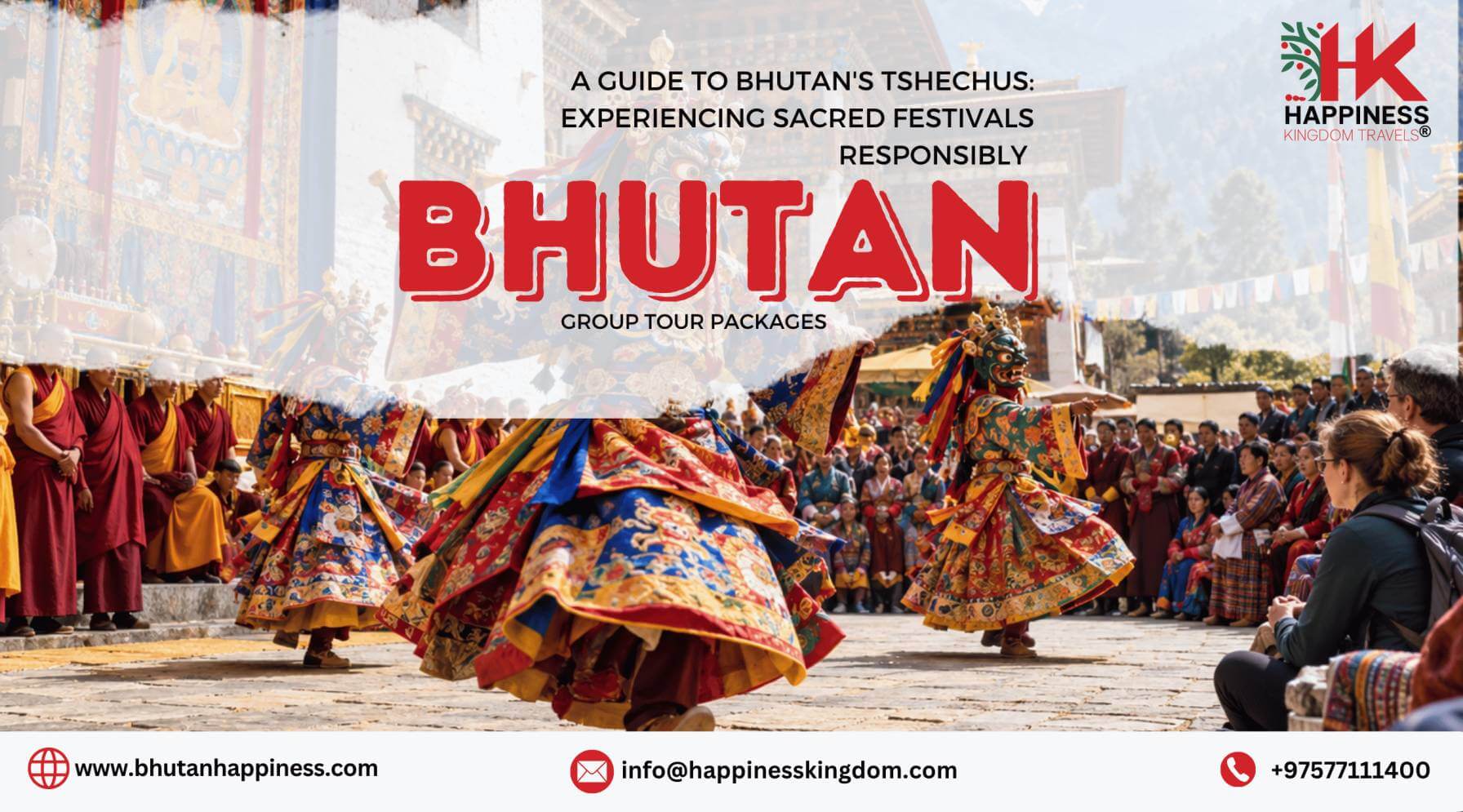
The Tshechus of Bhutan are not just vibrant cultural festivities but spiritual events as well that bond communities together through Buddhist chanting, folk music, mask dancing, stories, and rituals. For tourists who are visiting the country from the USA, attending one can give them an insight into Bhutan, beyond its mountains and monasteries.
If Bhutan festival tour packages are on your list, building your trip around a Tshechu can turn a great vacation into an unforgettable one. Just remember, these are sacred occasions first and tourist events second. Knowing what to expect and how to show up respectfully makes all the difference.
What Is a Bhutanese Tshechu?
A Tshechu is a Buddhist festival traditionally tied to the tenth day of a month in the Bhutanese lunar calendar. Every district hosts its own version, so the dates, traditions, and atmosphere shift depending on where you are.
The centerpiece of most Tshechus is the sacred mask dances Bhutan has become famous for. Performers dress in heavy, hand-painted masks and elaborate costumes representing deities, protective spirits, and figures pulled straight from Buddhist teachings and history.
For locals, none of this is performance. Families attend to receive blessings, pray together, and take part in something deeply tied to their identity. At the end of certain festivals, there is an unfolding of a huge sacred painting known as the thongdrel, which is spiritually so significant that just looking at it is thought to bring merit.
Which Bhutan Festivals Should You Consider?
Your pick really depends on your travel window and interests. The Bhutan festival calendar is packed, with over 160 festivals and cultural events happening across the country each year.
Paro Tshechu
Most people’s Paro Tshechu travel guide starts here, and for good reason. Held at the striking Rinpung Dzong, the festival stretches across several days of traditional dance and ceremony. For 2026, tentative dates run March 29 to April 2, with the thongdrel unveiling planned for the final morning.
Since Paro doubles as the entry point for most international travelers, it’s easy to pair the festival with a Paro Valley walk or the Tiger’s Nest hike.
Thimphu Tshechu
Thimphu’s festival unfolds in the capital, drawing a mix of locals and visitors into one shared celebration. It’s a great way to catch traditional performances while still getting a feel for everyday city life. Tentative 2026 dates fall on September 21–23.
Being in the capital also means markets, museums, and nearby monasteries are all within easy reach.
Punakha Tshechu and Dromchoe
Punakha actually offers two back-to-back celebrations. The Dromchoe honors a historic Bhutanese victory, while the Tshechu that follows brings sacred mask dances and community gatherings. Tentative 2026 dates put Dromchoe at February 24–26, with the Tshechu running February 27 to March 1.
Pair either one with a visit to the stunning Punakha Dzong, and you’ve got one of the most scenic legs of any Bhutan trip.
How Should Visitors Behave at a Tshechu?
Good cultural etiquette in Bhutan comes down to one simple idea: you’re a guest inside someone’s sacred tradition, not an audience member.
- Cover shoulders and knees
- Remove hats indoors
- Ask before photographing people
- Never block a ritual
- Keep your voice low
- Follow your guide’s lead
- Don’t touch sacred objects
Bhutan’s tourism authorities are direct about this; visitors are asked to stay quiet at sacred sites and avoid standing between worshippers and the ceremony itself. A little awareness goes a long way here.
How to Plan a Custom Festival Itinerary
Let the festival dates lead your itinerary, not follow it as an afterthought. Once you’ve picked your Tshechu, build in extra days on either side for altitude adjustment and travel between valleys, since mountain roads rarely move as fast as they look on a map.
A sample route for a US traveler centered around the Paro Tshechu might look like this:
- Days 1–2: Arrive, settle into Paro
- Days 3–4: Attend the festival
- Day 5: Explore nearby sites
- Days 6–7: Travel to Thimphu
- Days 8–9: Continue to Punakha
- Final days: Return to Paro
Naturally, the exact flow depends on your dates, transportation, and what you want to see along the way.
Check Dates Before Booking
Since Tshechu dates follow the lunar calendar, even the official schedule gets labeled “tentative” each year. Always confirm dates through a licensed tour operator before locking in flights or hotels, and try to arrive at least a day early rather than landing the morning the festival starts.
Common Mistakes to Avoid at Bhutanese Festivals
Treating it like a show:
The dances are visually stunning, but they carry real religious weight. Watch with respect, not just curiosity.
Skipping the dress code:
Everyday travel clothes don’t always cut it. Pack lightweight trousers, longer skirts, and shoulder-covering shirts.
Overpacking the schedule:
Bhutan’s terrain makes travel slower than expected, so leave room to breathe.
Photographing everything:
Put the phone down sometimes and actually take the moment in.
Using outdated dates:
Always confirm the latest Bhutan festival calendar before booking anything.
FAQs About Bhutan Festival Tour Packages
- What are the Tshechus of Bhutan?
Festivals that occur all across the nation and include rituals, songs, and dances.
- When will Paro Tshechu be in 2026?
Every year different dates, but in 2026, they may be from March 29 to April 2, the date when thongdrel will be hung.
- What should I wear at the Tshechu festival?
Attire that covers my shoulders and knees, especially when visiting dzongs and monasteries.
- Is photography allowed in the festivals of Bhutan?
Yes, but not in all places, and it is necessary for me to seek permission before I take photographs of those praying.
- How do I choose the right Bhutan festival tour packages?
Base it on festival dates, the destinations you want to include, trip length, and how much you want a custom pace versus a set route.
Conclusion
A Tshechu has a way of becoming the highlight of a Bhutan trip, especially when you approach it with patience and a little preparation. Whether it is the Paro Tshechu travel guide basics or the full list of Bhutan festivals calendar, by planning in line with these events, you will get to witness the authentic experience of traditions in Bhutan as they are meant to be enjoyed.
In case the Bhutan festivals tour packages interest you, then feel free to contact Bhutan Happiness for making an itinerary based on your schedule.

Happiness Kingdom Travels
Founded in 2000, Happiness Kingdom Travels has over 25 years of experience creating authentic and customized travel experiences across Bhutan. As one of Bhutan's leading tour operators, our team of certified guides can assist travelers in more than 12 languages and are accredited by Bhutan's Department of Tourism. We specialize in personalized Bhutan tours, cultural experiences, festival journeys, trekking adventures, and luxury travel packages. With thousands of satisfied travelers from around the world, Happiness Kingdom Travels is committed to helping visitors experience the very best of Bhutan through reliable information, professional guidance, and exceptional service.
Related Blogs
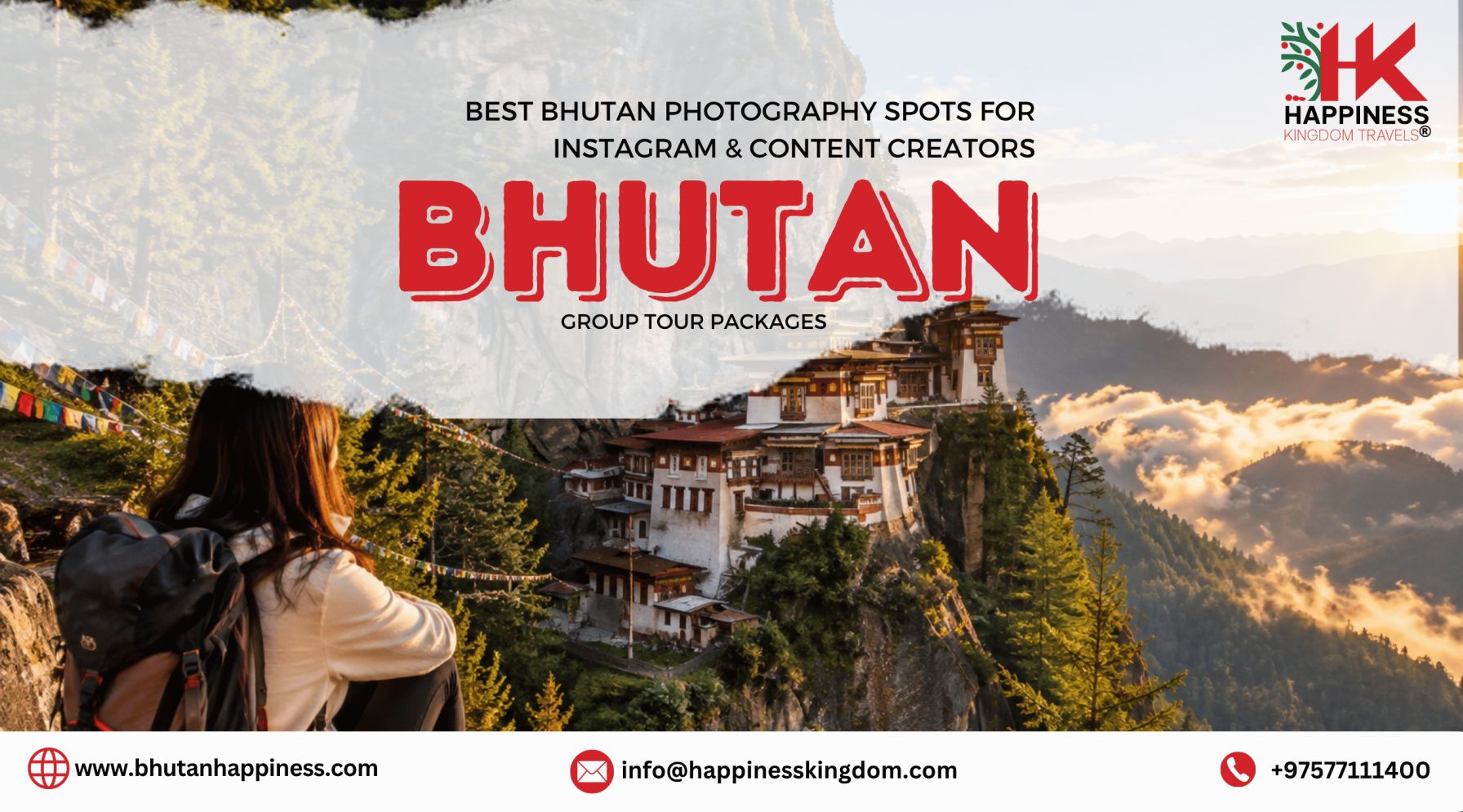
Best Bhutan Photography Spots for Instagram & Content Creators
Bhutan is one of those places that will allow you to take many pictures of yourself without posing for...
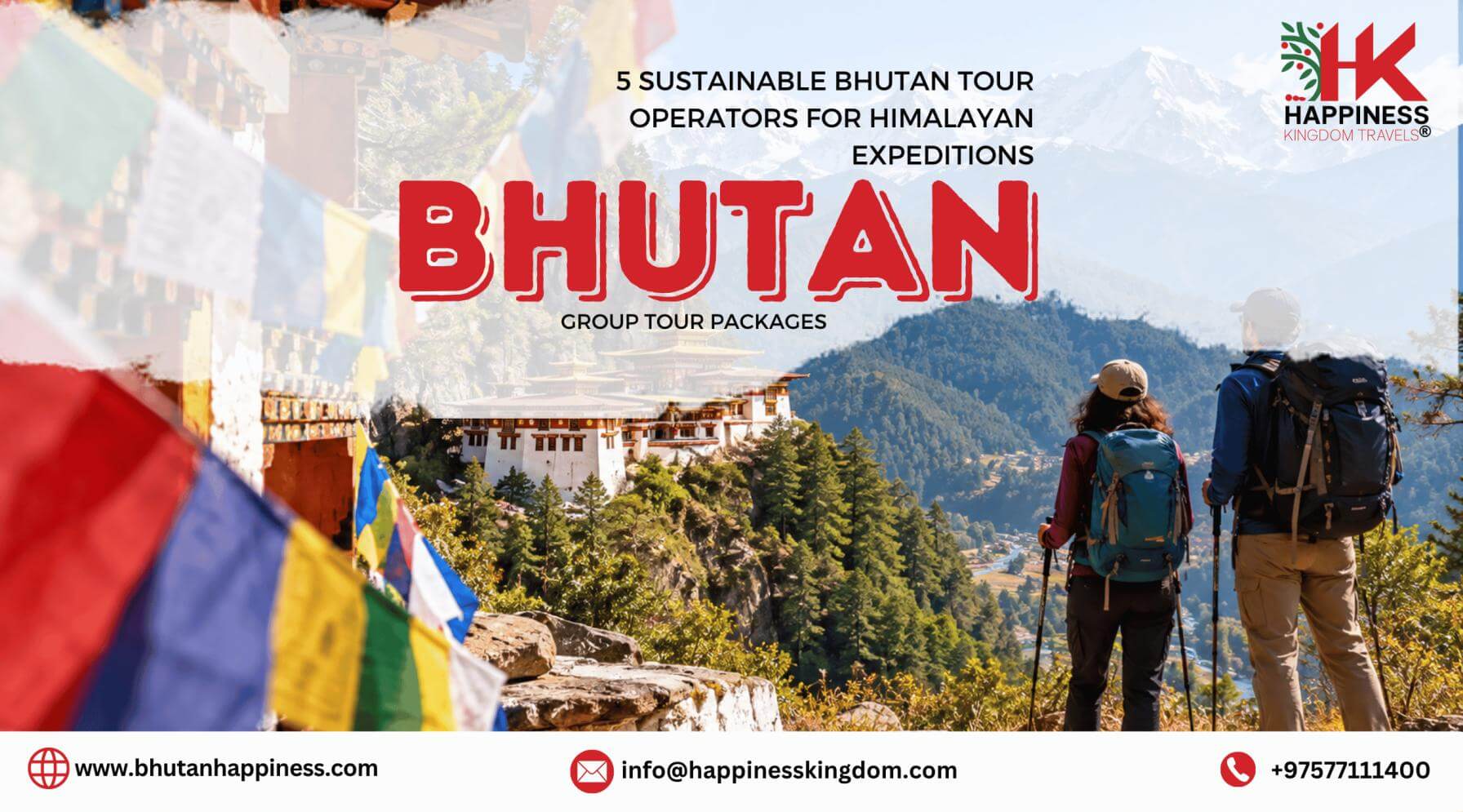
5 Sustainable Bhutan Tour Operators for Himalayan Expeditions
Picking a Himalayan trip is about more than pretty mountains. The leading Bhutan tour operators can help you enjoy...
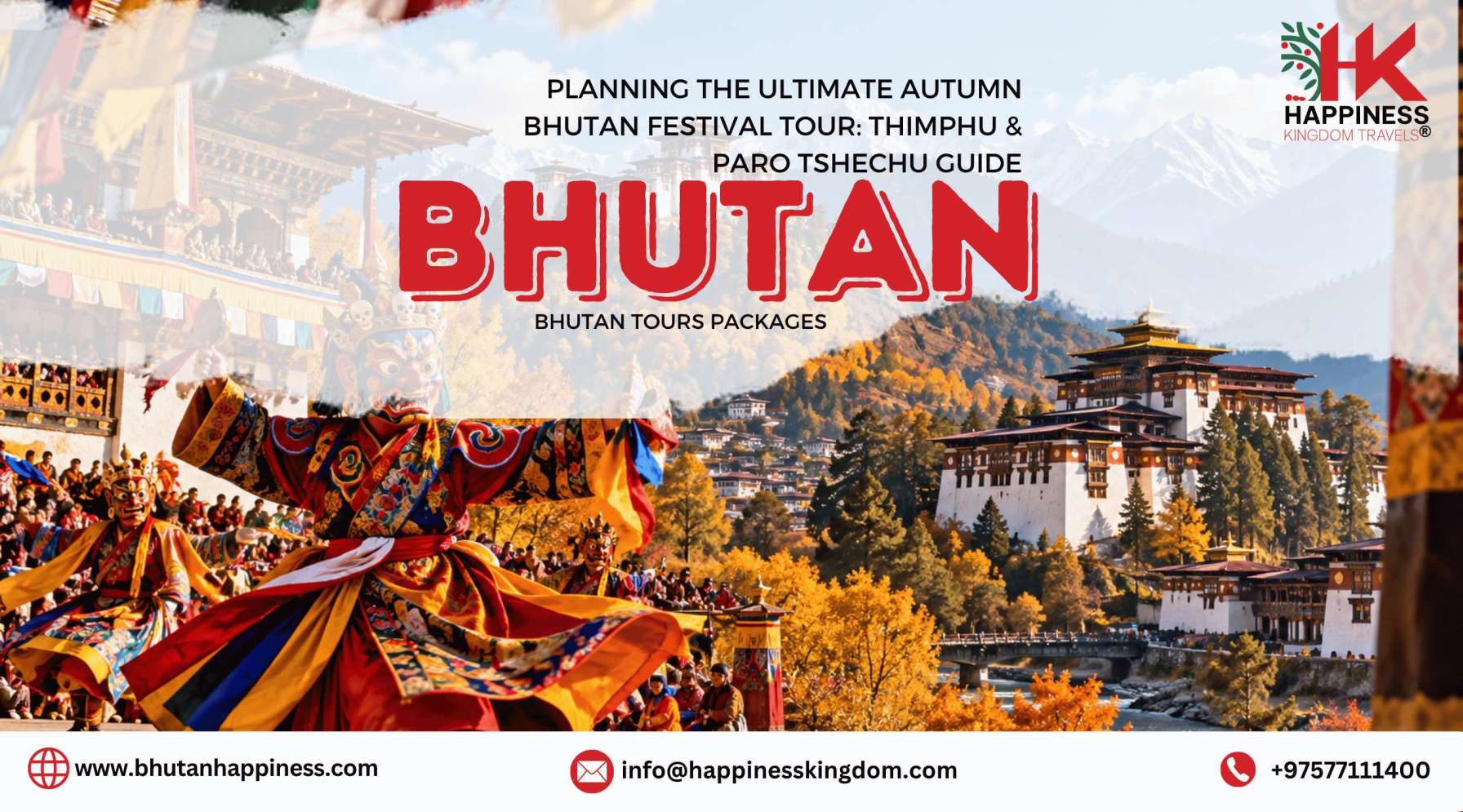
Planning the Ultimate Autumn Bhutan Festival Tour: Thimphu & Paro Tshechu Guide
Autumn in Bhutan feels like the country finally exhales. The monsoon clouds move on, the valleys turn crisp and...


