
How to Stay Healthy After Returning from a High-Altitude Bhutan Trek
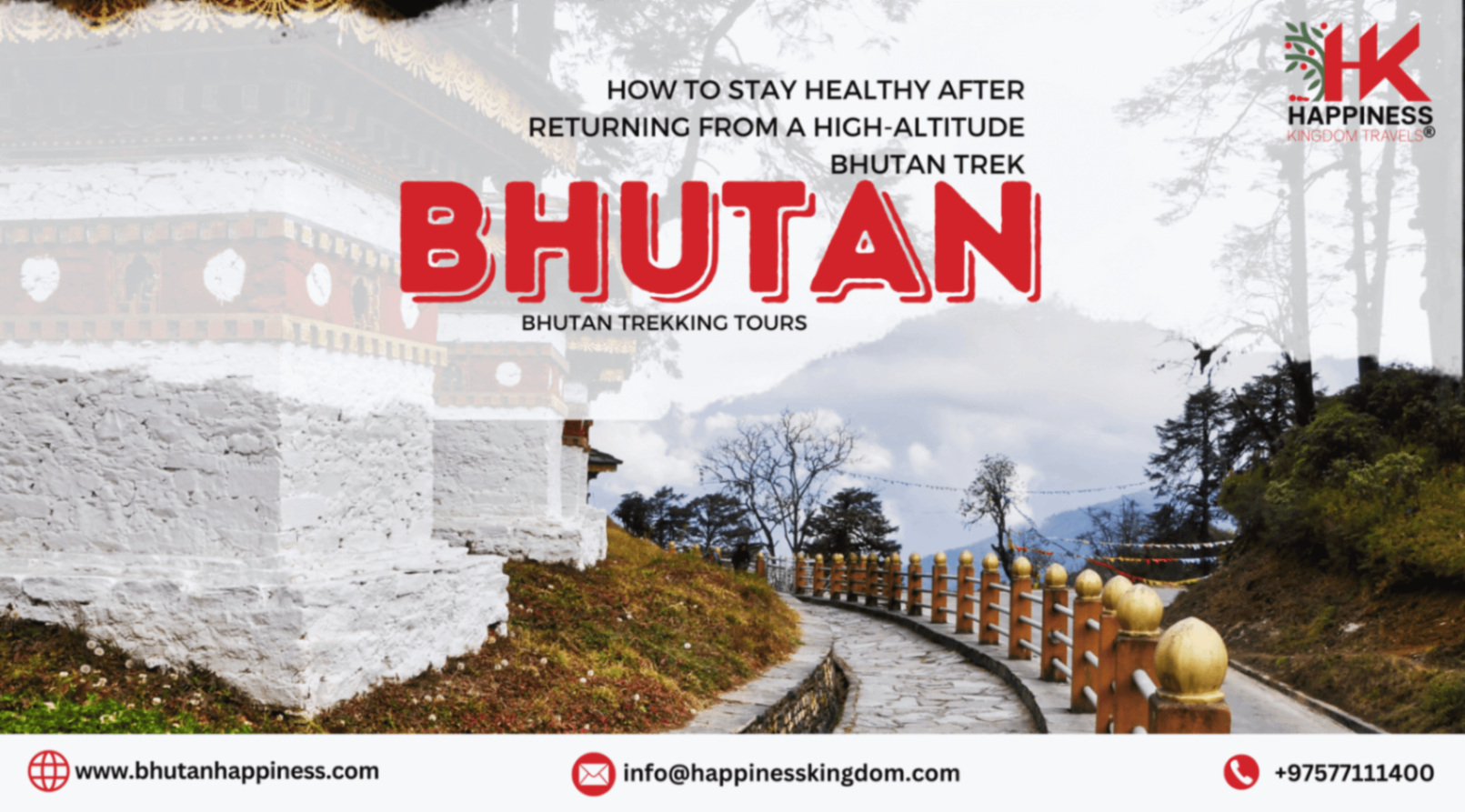
If you’ve just returned from one of our unforgettable Bhutan trekking tours, congrats! You’ve likely conquered breathtaking Himalayan trails, climbed thousands of feet in elevation, and created stories you’ll be telling for years.
But now that you’re back on U.S. soil, your body (and mind) might need a little TLC. Trekking at high altitude is physically demanding—even if you were well-prepared. So how do you recover the right way?
Let’s break down how to stay healthy after returning from a high-altitude Bhutan trek, with science-backed advice and real-life travel tips.
1. Understand What Happens to Your Body at High Altitude
When you’re trekking in Bhutan—especially on trails above 10,000 feet—your body makes several temporary adjustments:
- Producing more red blood cells to carry oxygen
- Increasing breathing and heart rate
- Dehydrating faster due to dry air
- Using more energy and burning more calories
This can leave you feeling fatigued, sore, or mentally foggy once you’re back home. It’s all part of the readjustment phase—and your body needs time to bounce back.
2. Rehydration: Replenish Lost Fluids
Altitude and long flights both lead to dehydration. You may not have felt super thirsty during your trek, but you probably lost more water than you realized.
✅ What to do:
- Drink at least 2.5–3 liters of water daily for the first few days post-trip
- Add electrolytes (like Nuun tablets or coconut water) to support recovery
- Avoid too much caffeine and alcohol, which further dehydrate you
📊 Fact: Dehydration can impair physical performance by up to 30%, according to the American Council on Exercise.
3. Nutritional Recovery: Refuel the Right Way
Your body likely burned thousands of calories per day on the trail. Now it needs quality fuel to recover.
🍽️ Focus on:
- Protein: Eggs, lean meats, Greek yogurt – to repair muscles
- Healthy fats: Avocado, nuts, olive oil – for joint and hormone support
- Anti-inflammatory foods: Berries, spinach, turmeric, ginger
Avoid binging on heavy, processed foods right away. Reintroduce them slowly if your digestive system is still adjusting.
4. Sleep Hygiene: Reset Your Body Clock
Coming back to the U.S. often involves crossing multiple time zones. Add in physical exhaustion and you’ve got a perfect storm for sleep disruption.
🛏️ Tips to regulate your sleep:
- Get natural sunlight during the day to reset your circadian rhythm
- Limit screen time before bed
- Consider melatonin supplements (consult your doctor)
- Stick to a consistent sleep schedule—even if you wake up groggy at first
5. Watch for Delayed Altitude Symptoms
Altitude-related issues don’t always end on the mountain. Some people experience delayed effects even after they descend.
⚠️ Look out for:
- Persistent headaches
- Unexplained fatigue
- Nausea or poor appetite
- Shortness of breath
These may indicate that your body is still readjusting. If symptoms last more than 3–4 days, see a healthcare provider.
6. Ease Back Into Physical Activity
After a big trek, your muscles need recovery—not another CrossFit session.
🏃♀️ Good post-trek activities:
- Walking or light hiking
- Gentle stretching or yoga
- Foam rolling or massage therapy
- Bodyweight exercises (when ready)
📌 Wait at least 3–5 days before returning to strenuous workouts or long runs.
7. Immune Support After Travel
Airports, airplane cabins, and altitude stress can suppress your immune system.
💊 Support it with:
- Vitamin C + Zinc
- A high-quality probiotic
- Nutrient-dense meals
- Plenty of rest and sleep
According to the CDC, travelers are 3x more likely to catch minor illnesses after returning from international trips—especially after long-haul flights.
8. Take Care of Your Mental Wellbeing
It’s totally normal to feel a little low after coming home from an epic adventure. Known as post-travel blues, it can leave you feeling restless or nostalgic.
🧠 What helps:
- Reflecting through journaling or photo albums
- Sharing your stories with friends and family
- Starting to plan your next trek (we can help 😉)
- Practicing mindfulness or gratitude for the experience
9. Schedule a Health Check-Up (If Needed)
If you felt unwell during your trek, experienced altitude sickness, or are 40+, it’s smart to book a post-trip checkup.
🩺 A doctor may assess:
- Blood oxygen levels
- Blood pressure
- Fatigue and nutrient levels
- Any lingering joint or muscle issues
This is especially helpful if you’re planning future hikes at altitude.
10. Learn from the Experience for Future Treks
Use your first Bhutan trekking tour as a learning experience:
- What worked (gear, pace, diet)?
- What could you improve (training, acclimatization, hydration)?
- Do you want to try a longer trek or a higher-altitude route next time?
At Happiness Kingdom Travels, we help repeat trekkers from the U.S. level up each journey safely.
Final Thoughts
Finishing a Bhutan trekking tour is an incredible achievement. But your journey doesn’t end when the trail does—your body deserves thoughtful recovery and care. By staying hydrated, eating well, resting, and checking in with your health, you’ll return to your normal life stronger than ever.
And hey—when you’re ready to plan your next high-altitude adventure, you know who to call.
👉 Happiness Kingdom Travels – Your trusted partner for unforgettable Bhutan trekking experiences.
FAQs: Post-Trek Recovery for Bhutan Trekkers
Q1. How long does it take to fully recover after a high-altitude trek?
Most people feel back to normal in 5–7 days, though some may take up to 2 weeks depending on intensity and altitude.
Q2. Can I get sick after returning from Bhutan?
While rare, some travelers experience respiratory or digestive issues due to altitude, water differences, or long travel. Stay hydrated, eat clean, and see a doctor if needed.
Q3. Is massage therapy safe after a trek?
Yes! It’s one of the best ways to relieve muscle tightness and soreness. Just give it a day or two if your legs are very tender.

Happiness Kingdom Travels
Founded in 2000, Happiness Kingdom Travels has over 25 years of experience creating authentic and customized travel experiences across Bhutan. As one of Bhutan's leading tour operators, our team of certified guides can assist travelers in more than 12 languages and are accredited by Bhutan's Department of Tourism. We specialize in personalized Bhutan tours, cultural experiences, festival journeys, trekking adventures, and luxury travel packages. With thousands of satisfied travelers from around the world, Happiness Kingdom Travels is committed to helping visitors experience the very best of Bhutan through reliable information, professional guidance, and exceptional service.
Related Blogs
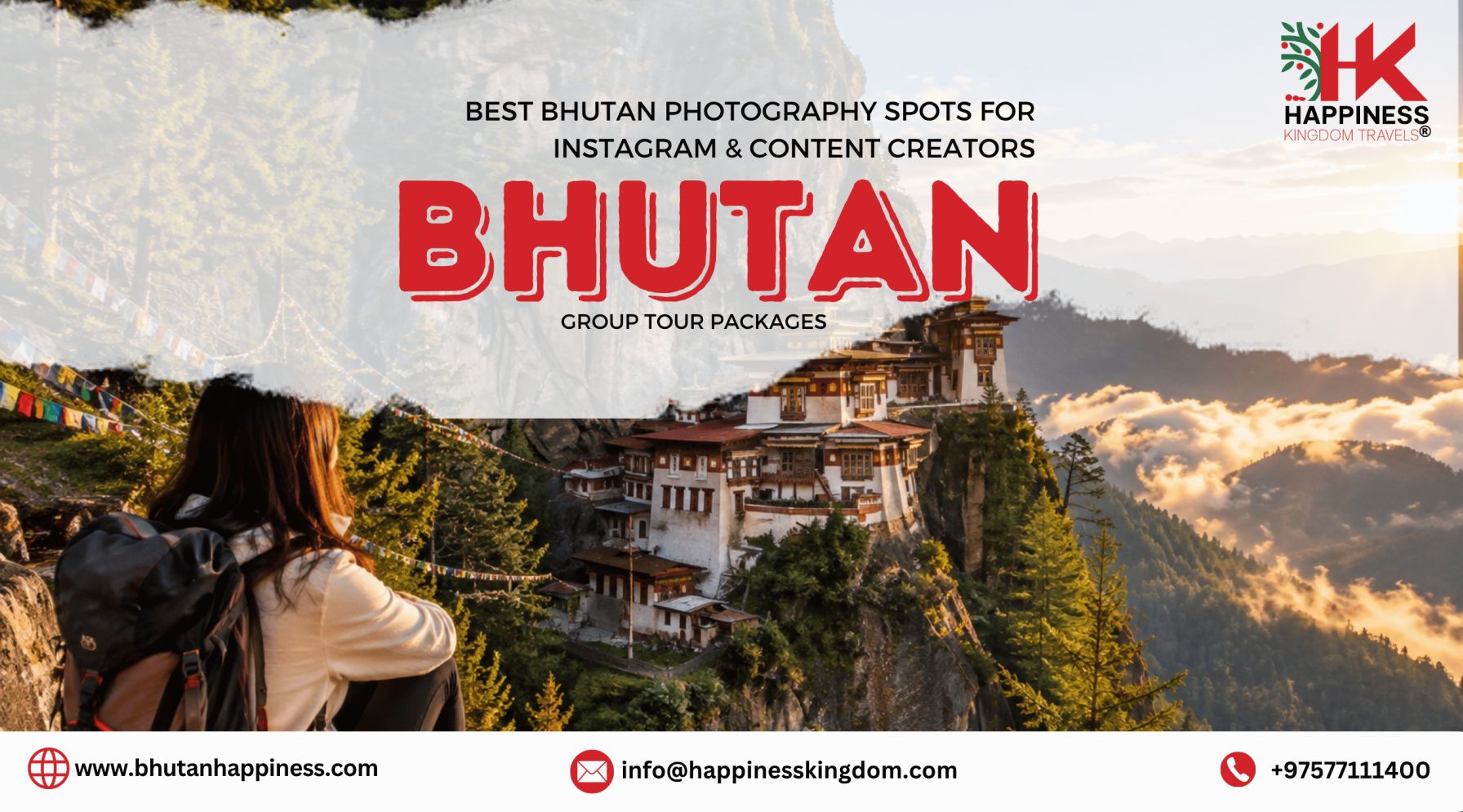
Best Bhutan Photography Spots for Instagram & Content Creators
Bhutan is one of those places that will allow you to take many pictures of yourself without posing for...
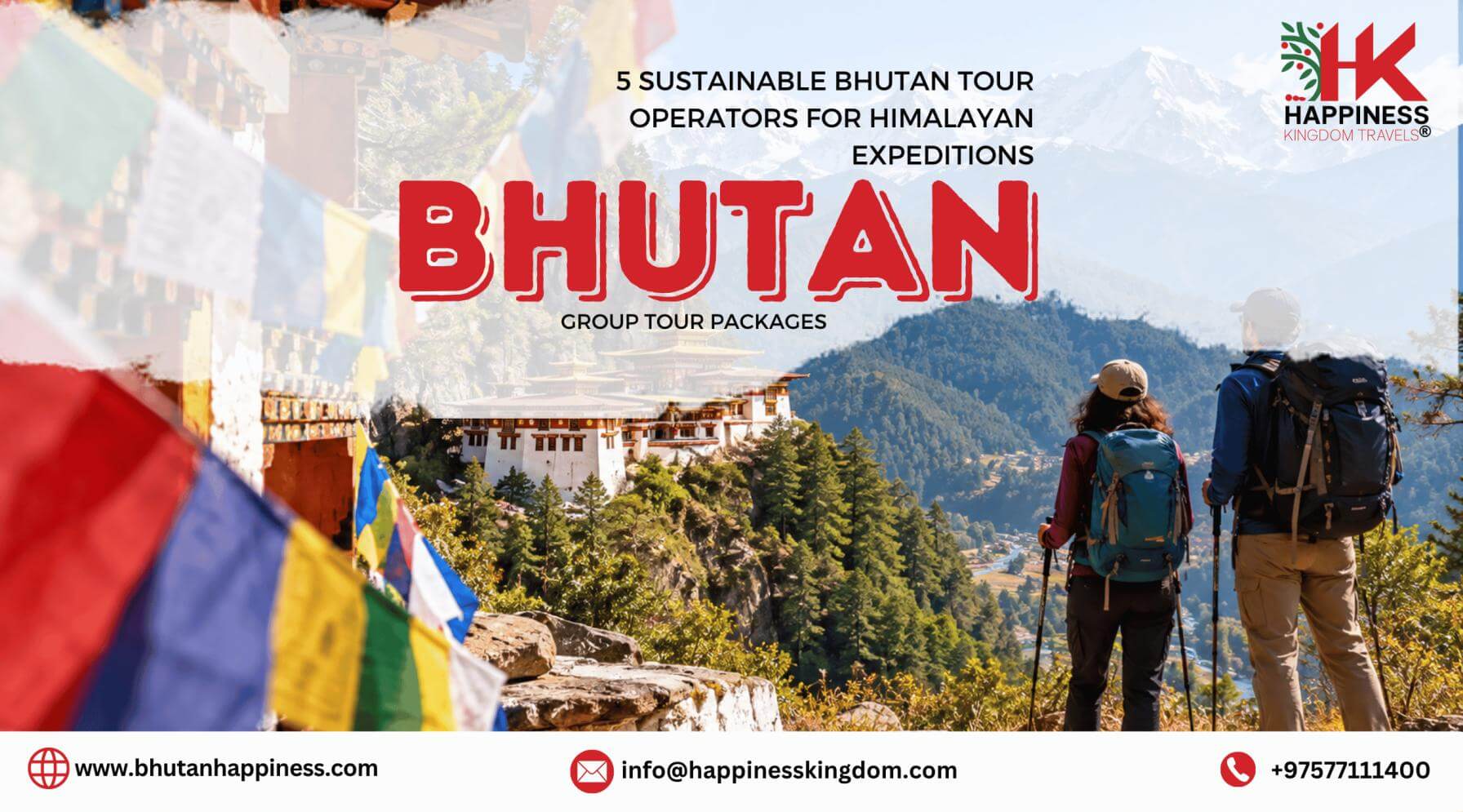
5 Sustainable Bhutan Tour Operators for Himalayan Expeditions
Picking a Himalayan trip is about more than pretty mountains. The leading Bhutan tour operators can help you enjoy...
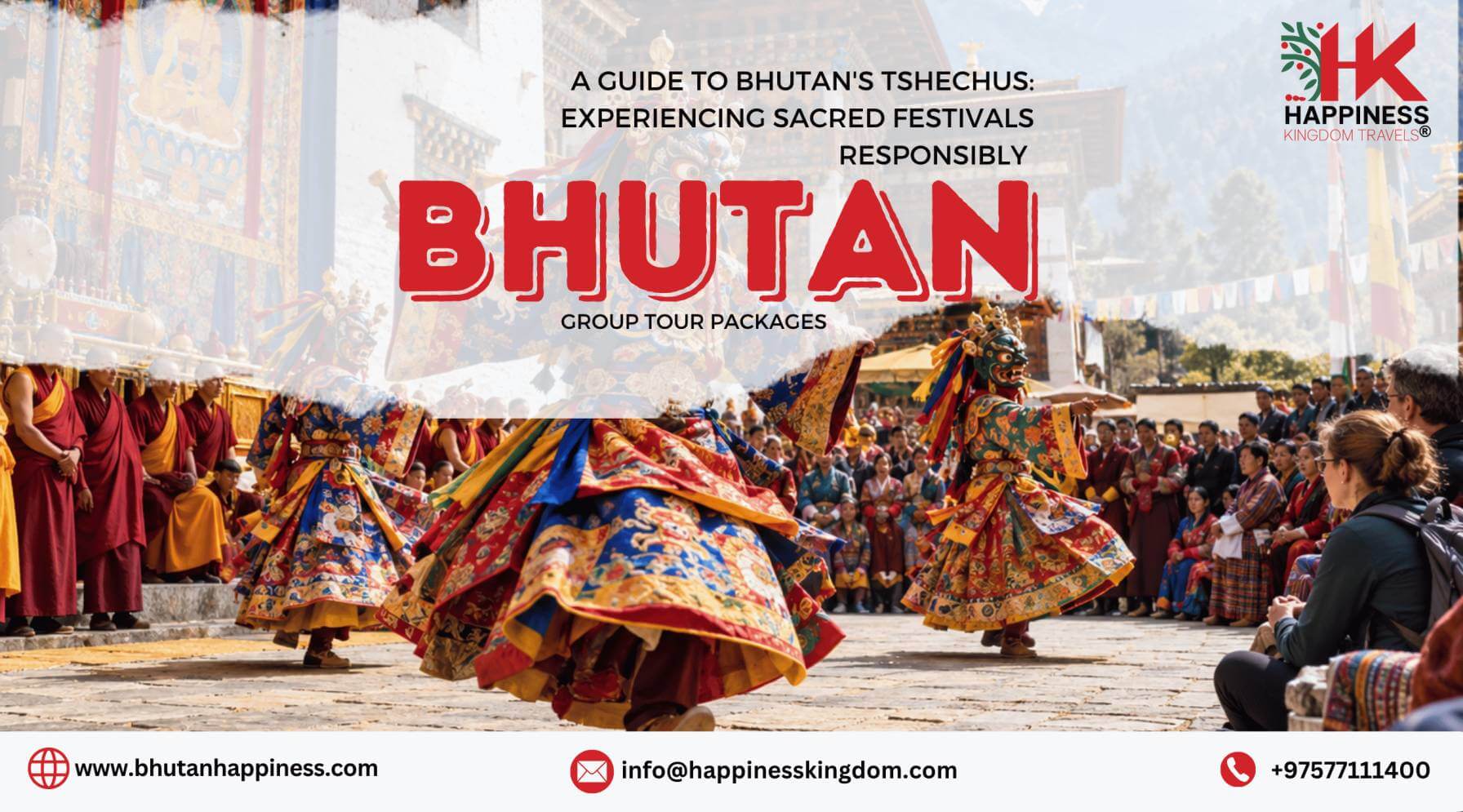
A Guide to Bhutan’s Tshechus: Experiencing Sacred Festivals Responsibly
The Tshechus of Bhutan are not just vibrant cultural festivities but spiritual events as well that bond communities together...


