
The Ultimate Bhutan Packing Guide: Eco-Friendly Essentials and Temple Dress Codes
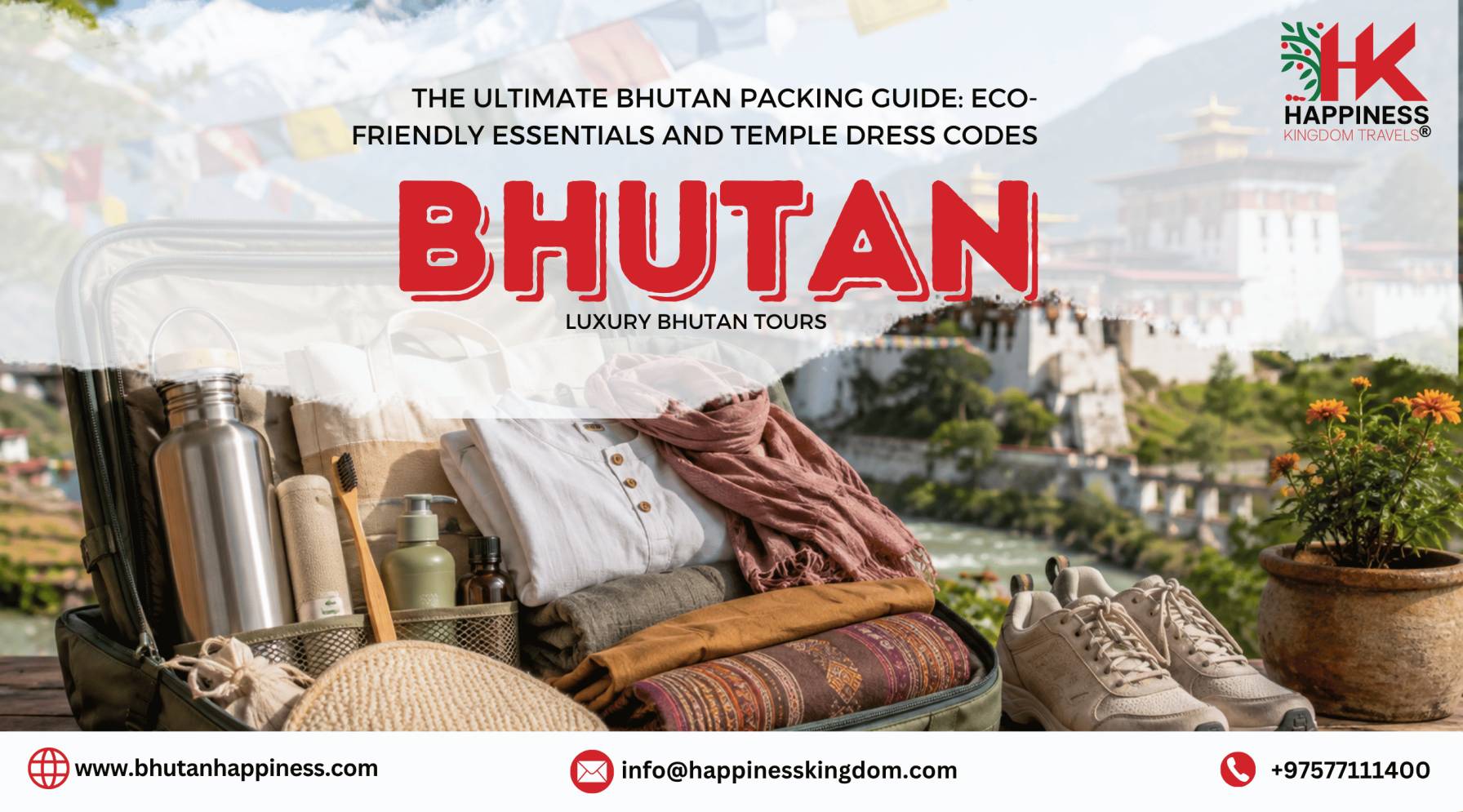
Packing for Bhutan is not really about filling up an entire suitcase with clothes but rather picking clothes that are suitable for varying weather conditions. In one single day, one may need to explore, walk, and climb through the hills of Bhutan.
If you’re booking a Bhutan luxury tour package, the packing part deserves just as much thought as the itinerary. Here is a practical Bhutan packing guide of eco-friendly essentials, temple dress code, weather, and trekking gear.
What to Wear in Bhutan: Respect Comes First
Bhutan takes its culture seriously, and nowhere is that more visible than at its dzongs and monasteries. These aren’t tourist attractions in the usual sense; they’re active religious and administrative sites, and dressing modestly is simply expected. Shoulders stay covered. Trousers or longer skirts work better than shorts or leggings. Some inner courtyards require shoes off, so don’t forget clean socks.
What to wear in Bhutan dzongs
Keep these ready for temple and dzong visits:
- Long trousers
- Full-length skirts
- Collared shirts
- Lightweight scarf
- Comfortable socks
- Slip-off shoes
- Light jumper
Skip anything sleeveless, short, or overly casual. Guides are generally understanding with first-timers, but some sites simply won’t let you past the gate if you’re underdressed.
Quick tip: keep one modest outfit in your day bag at all times, not buried in your suitcase back at the hotel.
Bhutan Packing List: Eco-Friendly Essentials
Bhutan is the world’s only carbon-negative country, and it isn’t shy about protecting that title. Single-use plastics are restricted, and travelers who show up with reusable basics tend to move through the country a little more smoothly.
A solid Bhutan packing list, eco-friendly version, looks like this:
- Steel water bottle
- Reusable tote bag
- Refillable toiletry bottles
- Bamboo cutlery
- Solid shampoo bar
- Reef-safe sunscreen
- Reusable coffee cup
- Small laundry bag
- Rechargeable power bank
- Washable handkerchief
You probably already own half this list. There’s no need to buy a fresh “eco kit” before you fly; reusing what’s already in your cupboard is the more sustainable move anyway.
One thing worth flagging: if your route includes a layover in Delhi or Kolkata, resist the urge to stock up on convenience-store plastic there. Carry your reusables from home instead; it saves you from creating waste you’ll just be carrying into Bhutan.
Build Your Wardrobe Around Layers
Altitude does strange things to a packing list. Paro and Thimphu already sit high up, Punakha is noticeably warmer and lower, and any trekking route can swing colder within a few hours. Rather than packing a fresh outfit for every single day, build around layers instead:
- Moisture-wicking base
- Light insulating layer
- Warm fleece
- Packable waterproof shell
This combination covers sightseeing days and outdoor stretches equally well. Add genuinely comfortable walking shoes; the Tiger’s Nest hike and uneven monastery paths are not the place to break in new footwear. A lighter second pair for evenings is a nice bonus, not a necessity.
Bhutan Weather Guide by Month
Bhutan doesn’t really have one climate; it has several, depending on where you are and how high you’ve climbed. Here’s a rough month-by-month breakdown:
- Jan–Feb: cold, dry, thermals needed
- Mar–Apr: mild, cool mornings
- May: warmer, pre-monsoon damp
- Jun–Aug: monsoon, waterproofs essential
- Sep: rain easing, still pack waterproof
- Oct–Nov: dry, crisp, peak season
- Dec: cold nights, dry days
Spring and autumn are generally the sweet spot for trekking. Monsoon months can turn trails muddy and slow, so factor that in if hiking is a priority.
Himalayan Trekking Gear Checklist
Cultural sightseeing and a proper trek call for two very different kits. If your trip includes routes like Druk Path or even the half-day Tiger’s Nest climb, don’t wing this part.
A dependable Himalayan trekking gear checklist includes:
- Broken-in hiking boots
- Wicking socks
- Thermal base layers
- Insulating fleece
- Waterproof shell
- Trekking trousers
- Warm hat and gloves
- Sun hat and sunglasses
- Sunscreen and lip balm
- Headlamp
- Water bottle
- First-aid basics
- Blister plasters
- Trekking poles
- Small daypack
- Waterproof electronics pouch
Don’t underestimate the sun up there. Even on a cool, overcast day, UV exposure at altitude is stronger than it feels, so sunscreen isn’t optional just because you’re not sweating.
Pack Light, But Don’t Pack Too Light
The most common mistake isn’t overpacking; it’s packing only for Paro and Thimphu weather and forgetting the itinerary climbs and drops in elevation constantly. Skip the multiple bulky jackets and lean on versatile layers instead: neutral trousers, a couple of modest tops, and one solid fleece will carry you through sightseeing, dinners, and travel days alike.
Keep medicines, documents, valuables, and a spare change of clothes in your carry-on. Checked luggage occasionally goes missing; your first day in Bhutan shouldn’t depend on it turning up.
Small Items That Make a Big Difference
A handful of inexpensive extras genuinely earn their space:
- Compact umbrella
- Hand sanitiser
- Offline maps
- Universal adaptor
- Earplugs
- Moisturiser
- Portable tissues
- Snack container
Keep a scarf and socks tucked into your daypack at all times. It saves the scramble of digging through your main bag right outside a dzong entrance.
Final Bhutan Packing Checklist
Before leaving home, make sure you have:
- Power bank and travel adaptor
- Layered clothing suitable for changing temperatures
- Modest clothing for dzongs and monasteries
- Comfortable walking shoes
- Waterproof jacket
- Warm fleece or jumper
- Reusable water bottle
- Sustainable travel toiletries
- Sun protection
- Basic medicines and first-aid supplies
- Trekking equipment if required
- Travel documents and copies
Conclusion
Good Bhutan packing really comes down to three things: dress respectfully, prepare for the altitude swings, and skip what you don’t need to throw away. You don’t need an oversized suitcase; you need the right handful of things, chosen with a bit of intention.
Whether you’re planning temple visits, a Himalayan trek, or a fully guided bhutan luxury tour package, showing up prepared means you spend less time second-guessing your bag and more time actually being there.
FAQs
- What do I have to wear when visiting temples and dzongs in Bhutan?
Dress modestly by wearing clothes that will cover up your arms and legs. Examples include long trousers, long skirts, a collar shirt, and a shawl.
- What kind of clothes should I bring due to different weather in Bhutan?
It is suggested that you layer up as the weather is unpredictable in Bhutan. Examples of layered clothes are your base layer, a jumper/fleece layer, and a raincoat.
- What environmentally friendly items should I pack to Bhutan?
There are some eco-friendly items such as a reusable water bottle, reusable shopping bags, refills for personal hygiene products, reusable utensils, and a reusable coffee mug.
- What is the required equipment for trekking in Bhutan?
Equipment for trekking includes hiking boots, moisture-wicking socks, layers of clothing, rain gear, sunscreen, sunglasses, headlamps, trekking poles, and a daypack.
- Do I require any particular clothing for a Bhutan luxury tour package?
Even in a Bhutan luxury tour package, it is advised that you carry walking clothes and clothes that will help you blend well in temples and dzongs. However, remember to have some smart-casual dresses for the hotels.

Happiness Kingdom Travels
Founded in 2000, Happiness Kingdom Travels has over 25 years of experience creating authentic and customized travel experiences across Bhutan. As one of Bhutan's leading tour operators, our team of certified guides can assist travelers in more than 12 languages and are accredited by Bhutan's Department of Tourism. We specialize in personalized Bhutan tours, cultural experiences, festival journeys, trekking adventures, and luxury travel packages. With thousands of satisfied travelers from around the world, Happiness Kingdom Travels is committed to helping visitors experience the very best of Bhutan through reliable information, professional guidance, and exceptional service.
Related Blogs
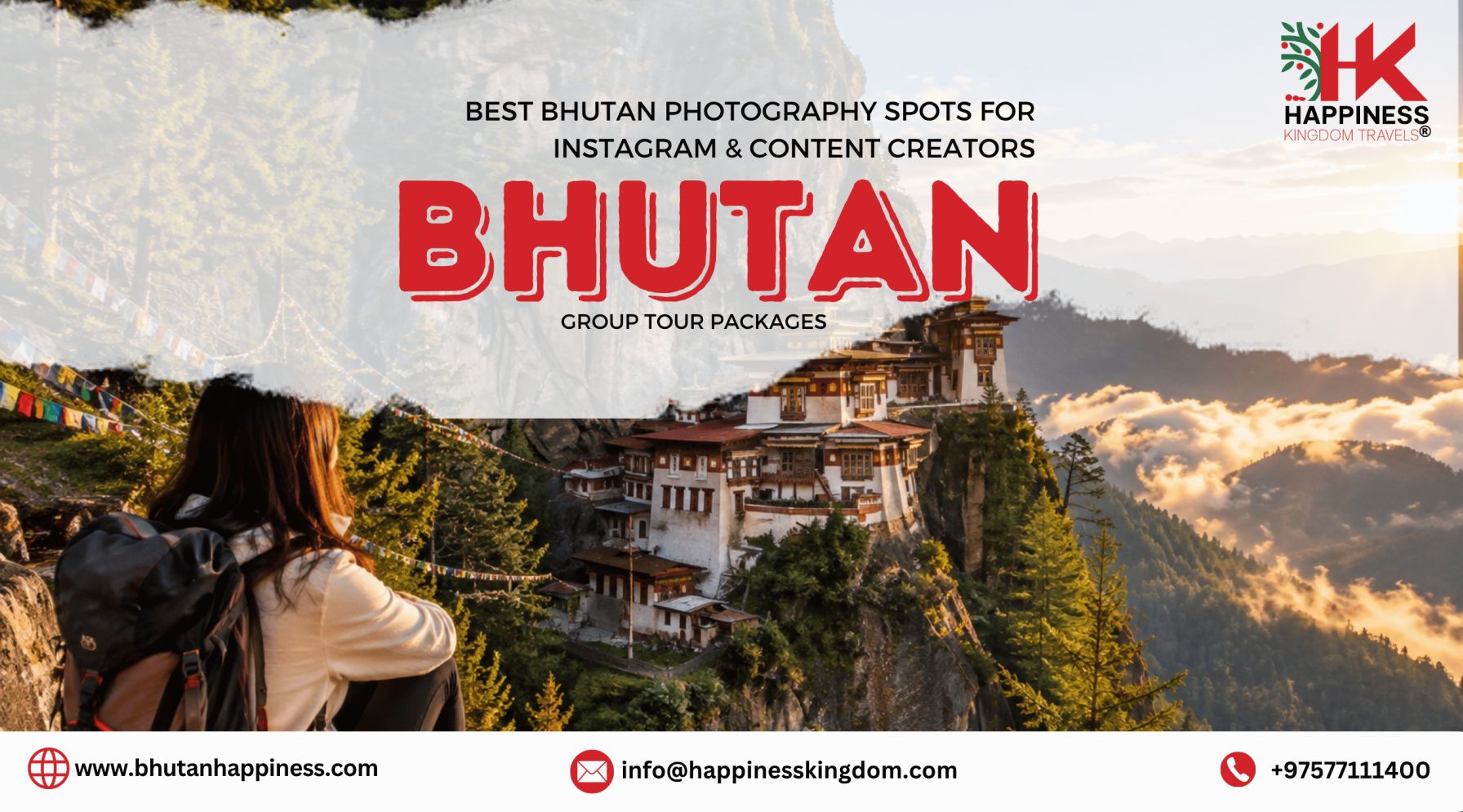
Best Bhutan Photography Spots for Instagram & Content Creators
Bhutan is one of those places that will allow you to take many pictures of yourself without posing for...
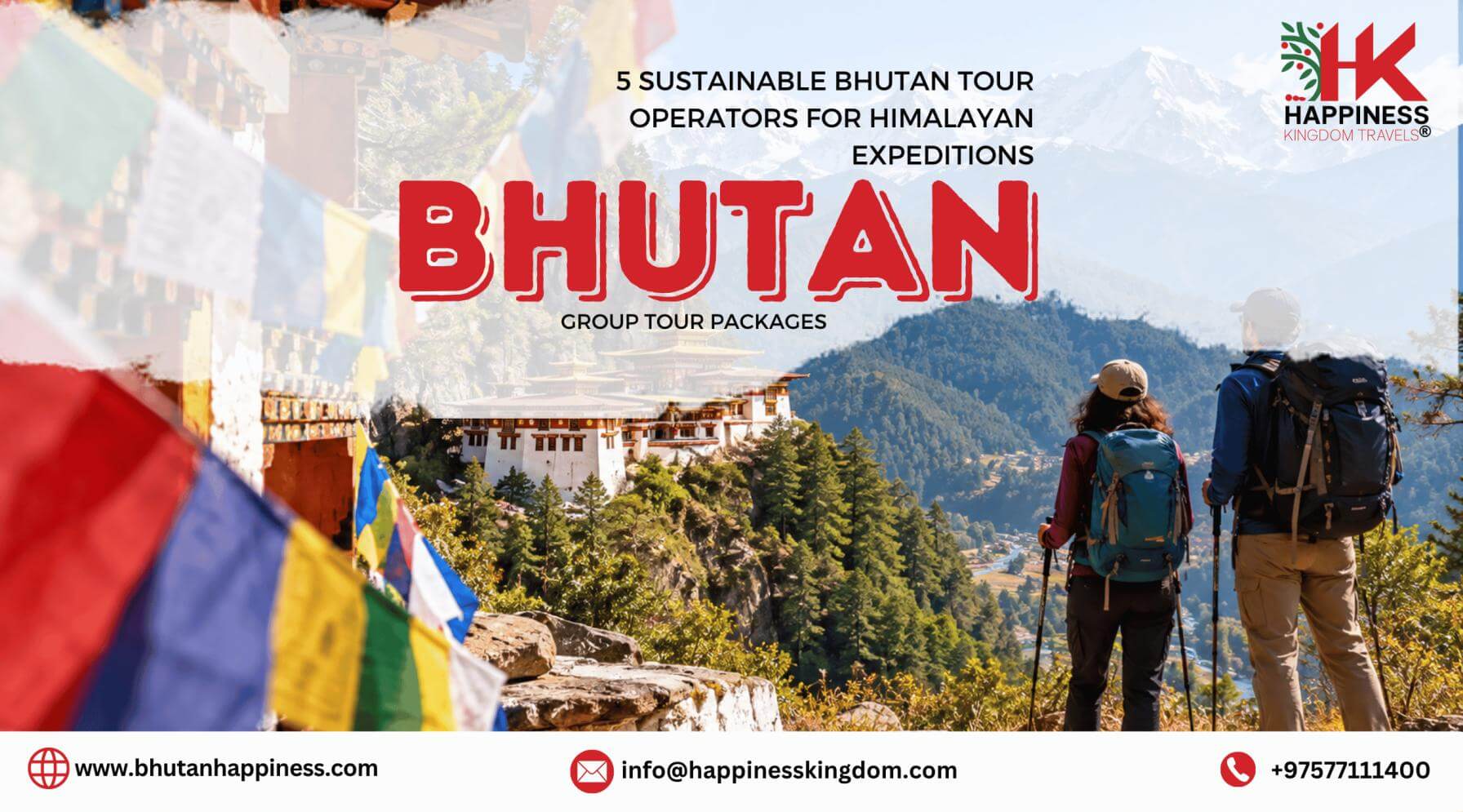
5 Sustainable Bhutan Tour Operators for Himalayan Expeditions
Picking a Himalayan trip is about more than pretty mountains. The leading Bhutan tour operators can help you enjoy...
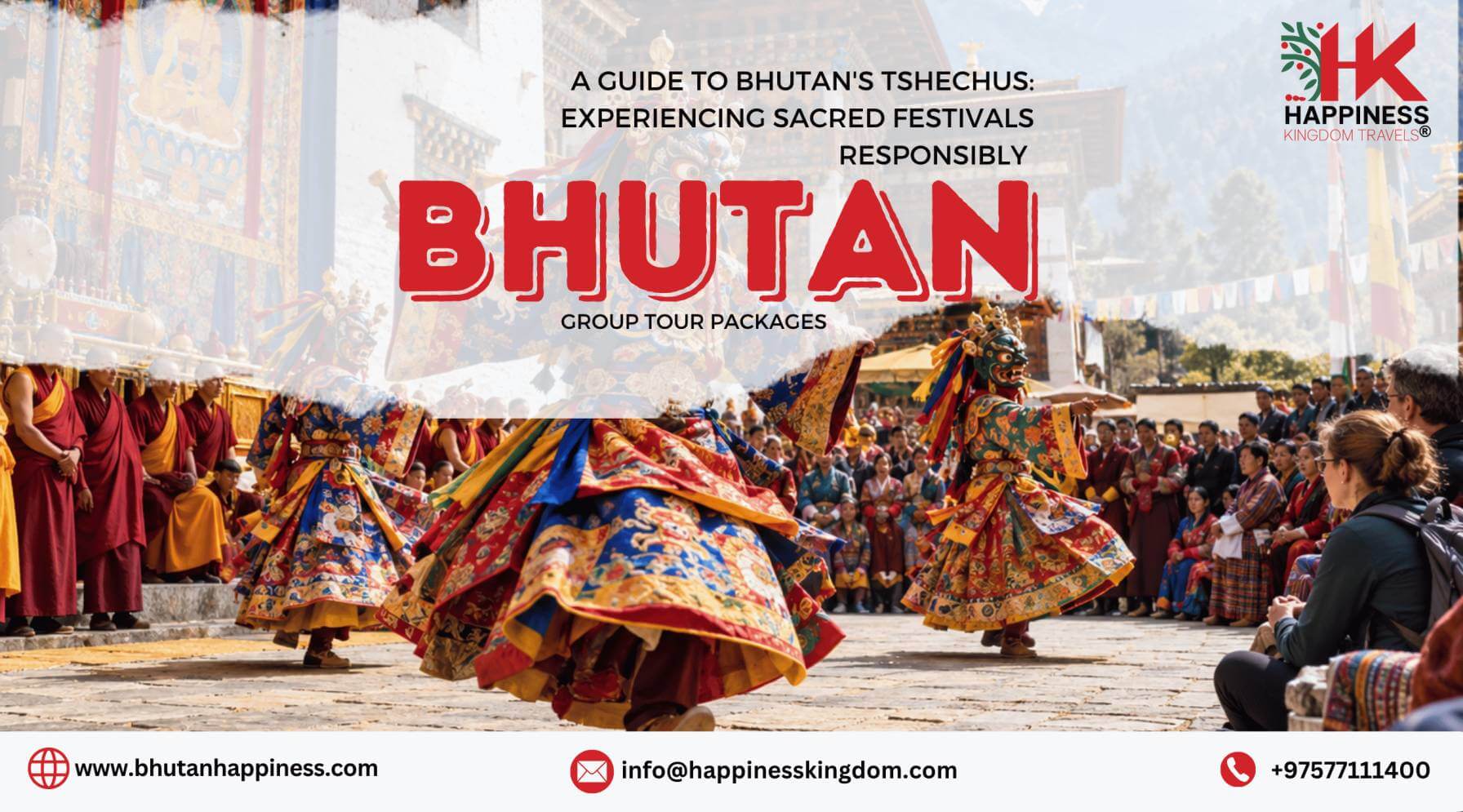
A Guide to Bhutan’s Tshechus: Experiencing Sacred Festivals Responsibly
The Tshechus of Bhutan are not just vibrant cultural festivities but spiritual events as well that bond communities together...


