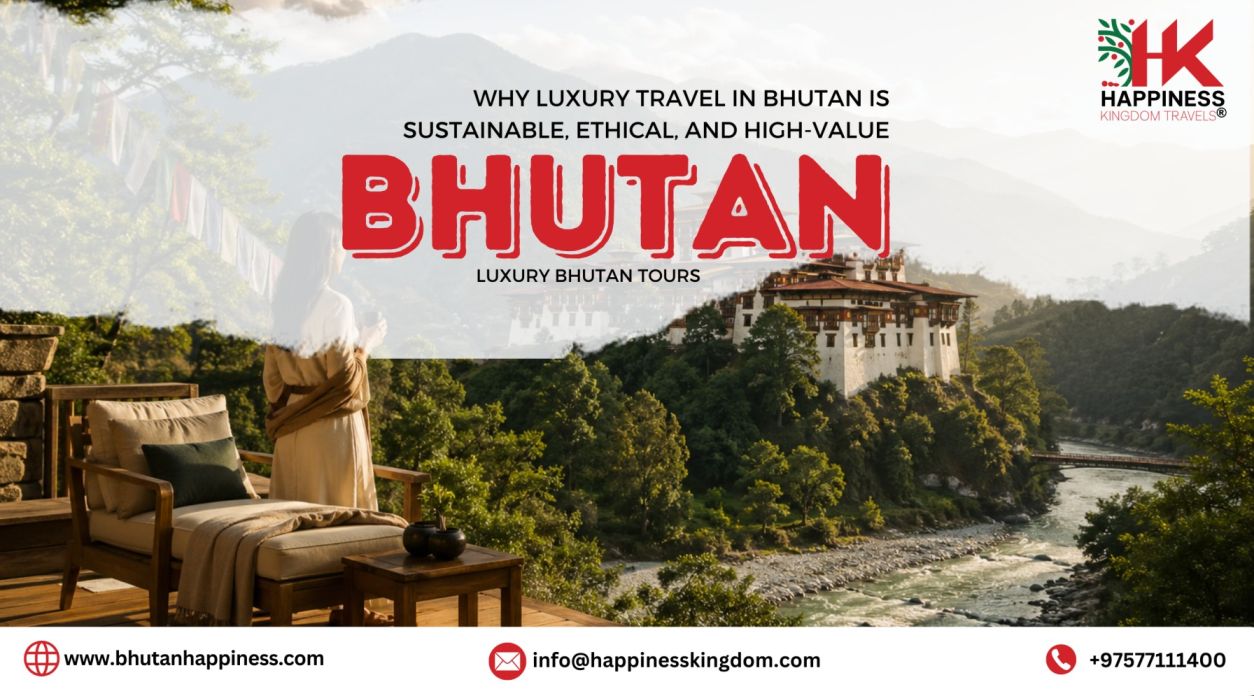
Why Luxury Travel in Bhutan Is Sustainable, Ethical, and High-Value

Quick Answer: Why Bhutan Luxury Travel Is Different

If you’re wondering whether luxury Bhutan tours are worth it, here’s the simple answer:

👉 You’re not just paying for luxury-you’re investing in sustainability, culture, and exclusivity.

Unlike crowded destinations, Bhutan offers:

  • Limited tourists
  • Deep cultural experiences
  • Environmentally responsible travel

For U.S. travellers looking for meaningful luxury, Bhutan stands out as one of the most unique destinations in the world.

What Is Luxury Travel in Bhutan

Luxury travel in Bhutan is not just about 5-star hotels-it’s about premium experiences with purpose.

A typical luxury Bhutan tour includes:

  • Boutique luxury lodges and resorts
  • Private guides and vehicles
  • Customized itineraries
  • Wellness experiences like meditation and spa treatments
  • Cultural immersion with local communities

Bhutan follows a government-controlled tourism model, which ensures high-quality services and protects its culture.

Search trends like Bhutan luxury tour packages and “Bhutan high-end travel” are increasing among U.S. travelers seeking unique experiences.

Bhutan’s High-Value Low-Impact Tourism Policy

Bhutan is famous for its “High Value, Low Impact” tourism policy.

What the Policy Means

Instead of attracting mass tourism, Bhutan focuses on:

  • Fewer tourists
  • Higher-quality experiences
  • Cultural preservation

This keeps Bhutan peaceful and authentic.

Sustainable Development Fee (SDF)

All international travelers pay a $100 per person per day SDF.

This fee supports:

  • Free healthcare
  • Free education
  • Infrastructure development
  • Environmental conservation

Impact on Tourism Experience

Because of this policy:

  • No overcrowding
  • Clean and well-maintained destinations
  • Better service quality

Compared to destinations like Bali or Paris, Bhutan offers a much more exclusive experience.

Why Bhutan Luxury Travel Is Sustainable

Bhutan is often called one of the most sustainable countries in the world—and for good reason.

Carbon-Negative Country

Bhutan absorbs more carbon than it produces.

  • Over 70% of the land is forest-covered
  • Constitutional mandate to maintain forests

This makes Bhutan one of the only carbon-negative countries globally.

Eco-Friendly Luxury Lodges

Luxury Bhutan tours often include stays in eco-conscious lodges that focus on:

  • Renewable energy
  • Local materials
  • Minimal environmental impact

Conservation-Focused Tourism

Tourism directly supports conservation efforts, including:

  • Wildlife protection
  • Forest preservation
  • Sustainable farming

Ethical Travel Practices in Bhutan

Luxury Bhutan tours are not just sustainable—they’re ethical.

Supporting Local Communities

Tourism creates jobs for:

  • Local guides
  • Drivers
  • Hotel staff
  • Artisans

Fair Distribution of Revenue

The government ensures tourism revenue benefits the entire country—not just private businesses.

Cultural Preservation

Bhutan actively protects its traditions:

  • Traditional dress is still worn
  • Festivals are preserved
  • Architecture remains authentic

What Makes Bhutan Luxury Travel High-Value

Let’s talk about value.

Exclusive Experiences

  • Private monastery visits
  • Limited-access festivals
  • Personalized cultural interactions

Personalized Itineraries

Every trip can be customized based on your interests—whether it’s wellness, adventure, or culture.

Premium Hospitality

Luxury Bhutan tours include:

  • Boutique lodges
  • Spa and wellness retreats
  • Exceptional service

According to global luxury travel data, over 74% of travelers prefer personalized experiences over standard packages.

Cost vs Value Understanding Bhutan Luxury Travel Pricing

Yes, Bhutan is not cheap—but it’s worth it.

Typical luxury Bhutan tour cost (7–10 days):

  • $5,000–$9,000 per person (excluding flights)

Compared to:

  • Maldives luxury trip: $6,000–$10,000
  • Europe luxury travel: $7,000+

👉 The difference? Bhutan offers exclusivity and meaning, not just luxury.

Bhutan Luxury Travel vs Mass Tourism Destinations

FactorBhutanPopular Destinations
CrowdsLowHigh
SustainabilityHighModerate
Cultural depthDeepOften commercialized
Experience qualityPremiumMixed

Bhutan receives under 350,000 tourists annually, compared to millions in other destinations.

Luxury Experiences Unique to Bhutan

Here’s what makes Bhutan unforgettable:

  • Private meditation with monks
  • Traditional hot stone baths
  • Helicopter views of the Himalayas
  • Exclusive festival seating
  • Farmhouse dining experiences

Searches like “Bhutan luxury experiences” and “Bhutan wellness travel” are trending globally.

Why USA Travelers Are Choosing Bhutan for Luxury Travel

U.S. travel trends are shifting.

📊 Key insights:

  • Wellness tourism growing by 20%+ annually
  • Cultural travel demand increasing
  • Travelers prefer meaningful experiences

Bhutan fits perfectly into this new travel mindset.

Who Should Choose Luxury Travel in Bhutan

Luxury Bhutan tours are ideal for:

  • Honeymoon couples
  • High-end travelers
  • Wellness seekers
  • Cultural explorers
  • Private group travelers

Best Time for Luxury Travel in Bhutan

  • Spring (March–May): Blooming landscapes
  • Autumn (Sept–Nov): Clear mountain views and festivals

These seasons account for nearly 70% of tourism demand.

Common Misconceptions About Bhutan Luxury Travel

Myth: Bhutan is too expensive
👉 Reality: It’s high-value, not overpriced

Myth: Bhutan lacks luxury
👉 Reality: It offers unique, boutique luxury

Myth: Bhutan is remote and basic
👉 Reality: It blends comfort with authenticity

How to Plan a Luxury Bhutan Trip from the USA

  • Book through licensed operators
  • Plan 7–10 days minimum
  • Fly via Delhi, Bangkok, or Kathmandu
  • Choose customized itineraries

Search queries like “Bhutan luxury tour packages from USA” are growing fast.

Final Thoughts Why Bhutan Sets the Gold Standard for Luxury Travel

Bhutan is not just a destination—it’s a philosophy.

Luxury here is not about excess—it’s about meaning, sustainability, and connection.

For U.S. travelers looking for something deeper than a typical vacation, luxury Bhutan tours offer an experience that truly stands apart.

At Happiness Travel Kingdom, we believe travel should not just impress you—it should transform you. Bhutan does exactly that.

FAQs About Luxury Bhutan Tours

1. Why are luxury Bhutan tours expensive

Because Bhutan limits tourism and includes sustainability fees, ensuring high-quality experiences and environmental protection.

2. What is included in luxury Bhutan tours

Accommodation, meals, guide, transport, permits, and curated experiences.

3. Is Bhutan worth the cost

Yes. The exclusivity, culture, and sustainability make it a high-value destination.

4. Is Bhutan safe for luxury travelers

Yes. Bhutan is one of the safest countries in the world.

5. What is the best time for luxury Bhutan tours

Spring and autumn offer the best weather and cultural experiences.
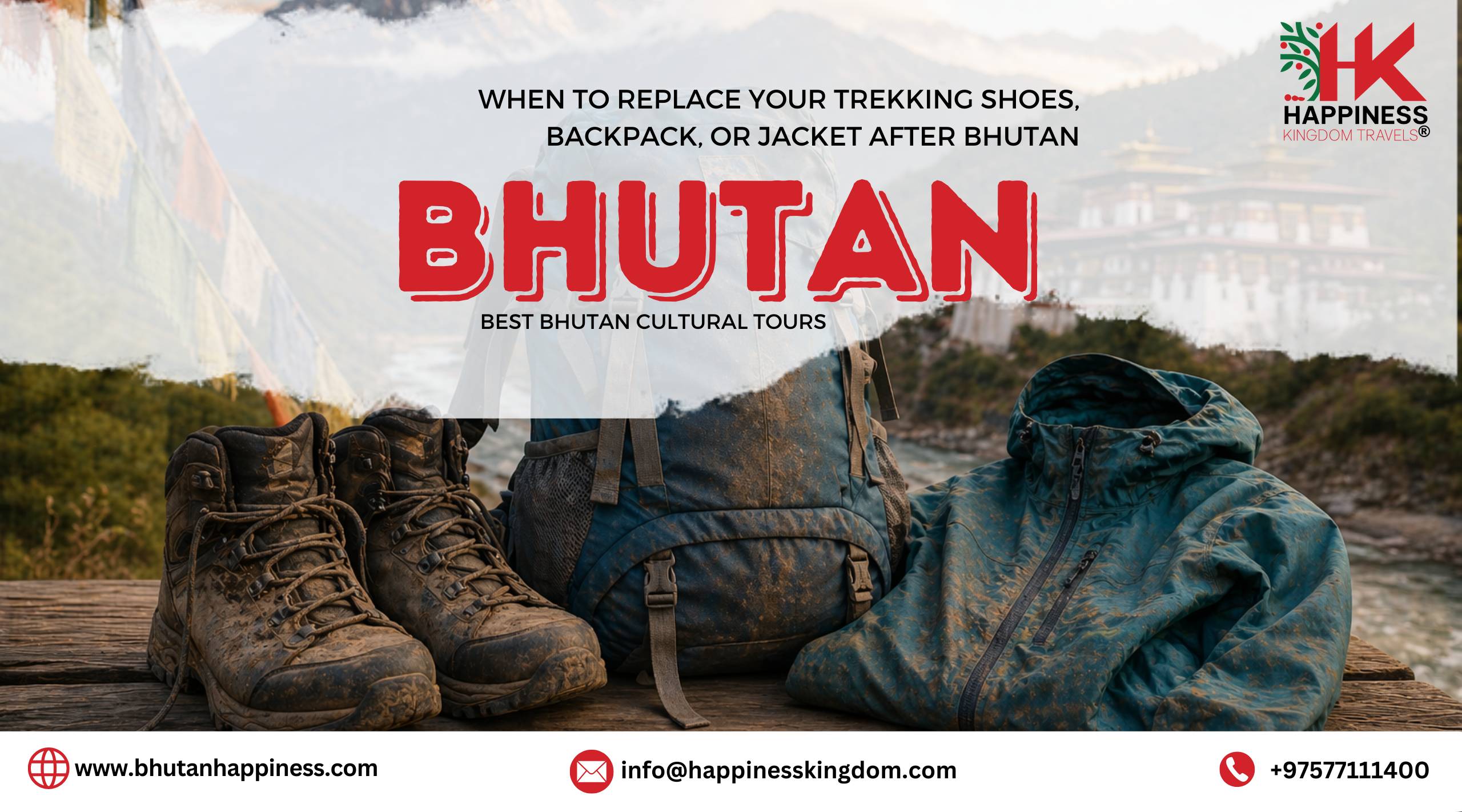
 

When to Replace Your Trekking Shoes, Backpack, or Jacket After Bhutan

Just got back from one of those unforgettable Bhutan peaceful tours and treks?

You probably brought back amazing memories… and some heavily used gear.

Now comes the big question:
👉 Is your trekking gear still good—or is it time to replace it?

At Happiness Travel Kingdom, we always remind travelers—your gear is your safety. Let’s break it down in simple terms so you know exactly what to keep and what to replace.

Quick Answer: How to Know Your Gear Needs Replacing

Here’s a quick checklist:

  • Shoes slipping or worn out → Replace
  • Backpack straps damaged → Replace
  • Jacket not waterproof anymore → Replace

👉 If your gear affects comfort or safety, don’t take chances.

Outdoor experts suggest hiking shoes typically last 300–500 miles, but rugged terrains like Bhutan can reduce that lifespan faster.

Why Bhutan Treks Are Tough on Your Gear?

Bhutan is not your average hiking destination.

During Bhutan peaceful tours and treks, your gear faces:

  • Rocky Himalayan trails
  • Altitudes up to 16,000 ft
  • Sudden weather changes (rain, wind, cold)
  • Long trekking days (5–10+ miles daily)

All of this puts serious stress on your equipment.

That’s why many travelers notice wear and tear immediately after their trip.

When to Replace Trekking Shoes After Bhutan?

Your shoes take the biggest hit.

Signs Your Trekking Shoes Are Worn Out

Look for these:

  • Smooth or worn-out soles
  • Reduced grip on wet or rocky surfaces
  • Cracks or separation in the sole
  • Flattened cushioning

If you feel less traction or more foot pain—it’s time to replace them.

Mileage-Based Replacement Guide

  • Average lifespan: 300–500 miles
  • Bhutan terrain impact: reduces lifespan by up to 30%

So if you’ve completed a multi-day trek, your shoes may already be near their limit.

Performance Issues to Watch

  • Blisters forming more easily
  • Foot fatigue increasing
  • Less shock absorption

These are clear warning signs.

Repair vs Replace Decision

  • Minor sole wear → repair possible
  • Structural damage → replace immediately

👉 Safety always comes first.

When to Replace Your Backpack After Bhutan?

Backpacks don’t wear out as fast—but they do suffer.

Physical Damage Signs

  • Broken zippers
  • Torn fabric
  • Loose stitching
  • Damaged straps

Comfort Issues

  • Shoulder straps losing padding
  • Uneven weight distribution
  • Back pain while carrying

Structural Wear

  • Backpack sagging
  • Frame bending or weakening

Lifespan of Trekking Backpacks

  • Average lifespan: 3–5 years
  • Heavy use (like Bhutan treks) can shorten this

When to Replace Your Trekking Jacket After Bhutan?

Your jacket protects you from the elements—so performance matters.

Waterproofing Failure

  • Water stops beading and starts soaking
  • Fabric feels damp inside

Insulation Breakdown

  • You feel colder than before
  • Uneven warmth

Fabric Damage

  • Small tears or worn seams
  • Zipper issues

Breathability Loss

  • Excess sweating
  • Poor airflow

Experts recommend replacing jackets every 3–5 years, depending on use.

How Bhutan’s Climate Impacts Gear Longevity?

Bhutan’s environment plays a huge role:

  • High UV exposure weakens materials
  • Moisture damages fabric
  • Mud and rocks cause abrasion

This combination speeds up wear compared to regular hiking trails.

How to Extend the Life of Your Trekking Gear?

Before replacing, try extending your gear’s life.

Cleaning and Maintenance Tips

  • Clean shoes after every trek
  • Wash jackets with proper detergent
  • Remove dirt and moisture from backpacks

Storage Best Practices

  • Keep gear dry
  • Avoid damp or humid storage
  • Use breathable storage bags

Reproofing and Repairs

  • Reapply waterproof coatings
  • Fix minor tears early

These steps can extend gear life by 20–30%.

Repair vs Replace What Makes More Sense

Here’s a simple rule:

  • Minor issues → repair
  • Performance issues → replace

Also consider:

  • Cost of repair vs new gear
  • Safety impact
  • Frequency of trekking

Recommended Gear Upgrades After Bhutan Trek

After experiencing Bhutan, many travelers upgrade their gear.

Upgrading Trekking Shoes

  • Better grip for rocky terrain
  • Lightweight designs
  • Improved cushioning

Backpack Upgrades

  • Ergonomic support
  • Lightweight materials
  • Better ventilation

Jacket Upgrades

  • Advanced waterproof tech
  • Breathable fabrics
  • Layering compatibility

Search trends like “best hiking gear upgrades” are rising among U.S. travelers.

How Often Should You Replace Trekking Gear

It depends on usage:

  • Casual hikers: every 3–5 years
  • Frequent trekkers: every 1–2 years

After intense trips like Bhutan, gear should always be inspected immediately.

Common Mistakes Travelers Make with Trekking Gear

Avoid these:

  • Ignoring small damage
  • Using worn-out shoes
  • Poor cleaning habits
  • Buying cheap gear

These mistakes can lead to injuries or discomfort.

Sustainable Gear Practices After Bhutan

Bhutan teaches sustainability—apply it to your gear too.

  • Donate usable gear
  • Recycle damaged items
  • Choose eco-friendly brands

Sustainable travel is growing by 20% globally, and gear choices matter.

Gear Checklist Before Your Next Trek

Before your next adventure:

  • Check shoe grip
  • Inspect backpack straps
  • Test jacket waterproofing
  • Evaluate overall comfort

Final Thoughts When to Replace Trekking Gear After Bhutan

Your Bhutan trip may be over—but your next adventure is waiting.

Don’t let worn-out gear ruin it.

👉 If your gear shows signs of wear, replace it.
👉 If it’s still performing well, maintain it.

At Happiness Travel Kingdom, we believe great travel starts with the right preparation—and that includes your gear.

FAQs About Bhutan Peaceful Tours and Treks Gear

1. How long do trekking shoes last after Bhutan treks

Typically 300–500 miles, but Bhutan terrain can reduce lifespan faster.

2. Can I repair hiking boots instead of replacing them

Yes, but only for minor issues. Structural damage requires replacement.

3. How often should I replace my trekking backpack

Every 3–5 years, or sooner if damaged.

4. How do I know if my jacket is no longer waterproof

If water stops beading and starts soaking in, it’s time to replace or reproof.

5. Is expensive trekking gear worth it

Yes. High-quality gear improves safety, comfort, and durability.

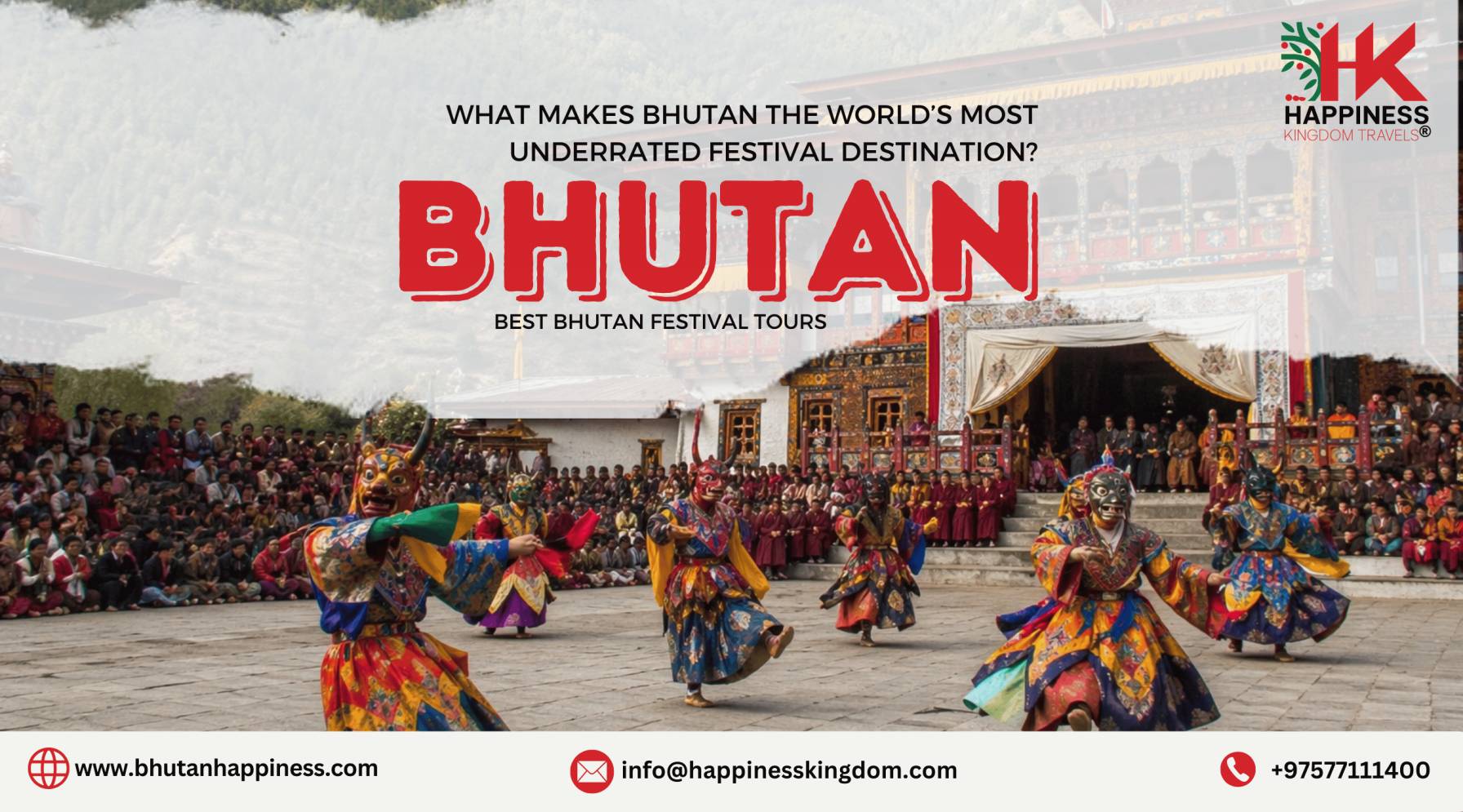
What Makes Bhutan the World’s Most Underrated Festival Destination?

There’s a story locals in Bhutan often whisper like a secret.

Years ago, before roads winding through those hidden valleys, families started walking days ahead of time just to reach a festival. They carried food, kids, and a whole lot of devotion. No one cared about tickets or stages or someone running the show behind the scenes. It was all faith, community, and stories told through ancient dance. Nothing else.

Somehow, that feeling hasn’t changed in Bhutan when it comes to festivals. Even now, when you show up at a Bhutanese festival, it doesn’t feel like a tourist event. If you’ve chosen the Bhutan festival tours to feel the culture, the Bhutanese people will welcome you with a whole heart.

It feels like you’ve stumbled into a world where they never planned to “perform” for outsiders; they just wanted to share something real.

It’s Not a Show. It’s a Way of Life

In most places, festivals are designed for crowds. In Bhutan, their festivals are celebrated for their meaning.

Known as Tshechus, these celebrations honor Guru Rinpoche, the man who brought Buddhism here. Each dance, each mask, and movement traces back hundreds of years to honor him. Nobody pauses to explain the meaning, and there’s no exaggerated drama here. Still, you sense something special.

The people dancing aren’t doing it to impress anyone; they’re keeping a promise to their ancestors. That’s what makes Bhutan festival tours so rare. Being here isn’t about watching culture; it’s about witnessing a tradition stay alive.

The Landscapes Make Everything Feel Unreal

Now, think about where this all happens. Imagine a monastery courtyard perched high above a green valley, prayer flags flapping with every gust of Himalayan wind, mighty snow-covered peaks just watching in the distance.

That’s not a backdrop; that’s the heart of it. Bhutan itself is all wild valleys, steep forested hills, icy rivers, and crisp mountain air; seventy percent of the land is still forest.

So you don’t find these festivals tucked away in stuffy convention halls. They unfold in places that already feel holy. Standing there, everything like the music, the costumes, the energy seems bigger, sharper, more alive.

Spirituality Isn’t Reserved for Temples

Here’s something that catches most travelers off guard: in Bhutan, spirituality doesn’t begin and end at monasteries. It spills into daily life. You see it in prayer wheels turning quietly on street corners, butter lamps glowing inside doorways. People stopping midday for a moment of prayer, or even in the way someone simply greets you with presence. Festivals just gather it all in one place, one heartbeat.

So if you join one of these Bhutan festival tours, you’re not entering a once-a-year occasion. You’re stepping straight into the pulse of life as it’s always been here.

Festivals That Actually Mean Something

Let’s dig into a few moments that really show what Bhutan’s festivals are all about:

Paro Tshechu (March–April)

This is one of the biggest festivals celebrated in Bhutan. This is the most iconic festival in Bhutan. What really stands out is the early morning unveiling of the Thongdrel, a massive, sacred tapestry. Locals say if you see it, your sins get wiped away. Photos don’t do it justice, and honestly, nothing beats just being there.

Thimphu Tshechu (September–October)

A larger, more energetic celebration in the capital. You’ll see masked dances play out stories of good and evil, reality and illusion. Just when things get heavy, those traditional clowns (Atsaras) step in and remind everyone not to take life or even spirituality too seriously. Everyone laughs, and the whole thing just feels so alive.

Punakha Drubchen & Tshechu (Feb–March)

This festival brings history right in front of you. Locals suit up and reenact a 17th-century battle that helped define Bhutan. It’s dramatic, powerful, and full of pride. You can feel how much it means to them.

Jambay Lhakhang Drup (Oct–Nov)

Now, if you’re looking for intensity, this festival is the one. Fire rituals, sacred dances late into the night reflects it’s spirituality stripped to its core, ancient and raw, untouched by time.

No Crowds, No Chaos—Just Connection

Let’s be real, most famous festivals worldwide get swamped with huge crowds.

But Bhutan likes to do things differently.

Thanks to their “high value, low impact” tourism approach, visitor numbers stay low. There’s a Sustainable Development Fee (about $100 per day) that goes right back into protecting culture, the environment, and local communities.

What does that mean for you?

  • No overcrowded festival grounds
  • No rushing around experiences
  • No diluted traditions

You actually get the space to observe, absorb, and connect. Maybe that’s why our Bhutan festival tours feel so personal.

A Country That Prioritizes Happiness Over Hype

Bhutan doesn’t care about hype. Forget chasing GDP, Instagram likes, or boosting visitor stats. Everything revolves around one thing: “Happiness”. And you feel it right away.

You see it in the unhurried pace of daily life. In the genuine way people greet you, not because they have to, but because they want to. When festivals roll around, it’s all about being together, not showing off.

Here, nobody’s in a hurry to impress. And ironically, that’s what makes Bhutan unforgettable.

Even the Journey Feels Intentional

Getting to Bhutan isn’t just a matter of buying a ticket and landing at the airport.

There’s a process:

  • Visa approvals
  • Guided travel requirements
  • Carefully planned itineraries

But don’t worry, Happiness Kingdom Travels has got you covered.

Our guide will be your storyteller, your translator, your link to what makes Bhutan tick.

Booking Bhutan festival tours with Happiness Kingdom Travels means we handle everything from permits to getting you into festivals. You don’t have to stress over the booking stress; you just get to soak up the experience.

Final Thought

Bhutan doesn’t try to go viral.

Because Bhutan doesn’t chase attention, likes, or headlines. It never shouts for the spotlight. It just quietly protects something rare. Authenticity.

Ready to Go Beyond Typical Travel?

If you want something that runs deeper than just ticking off another country, something you can actually feel, then explore a Bhutan festival tour with Happiness Kingdom TravelsFind out for yourself why Bhutan isn’t just underrated. It’s in a league of its own.

Discover Merak: The Paradise of Rhododendron in Bhutan

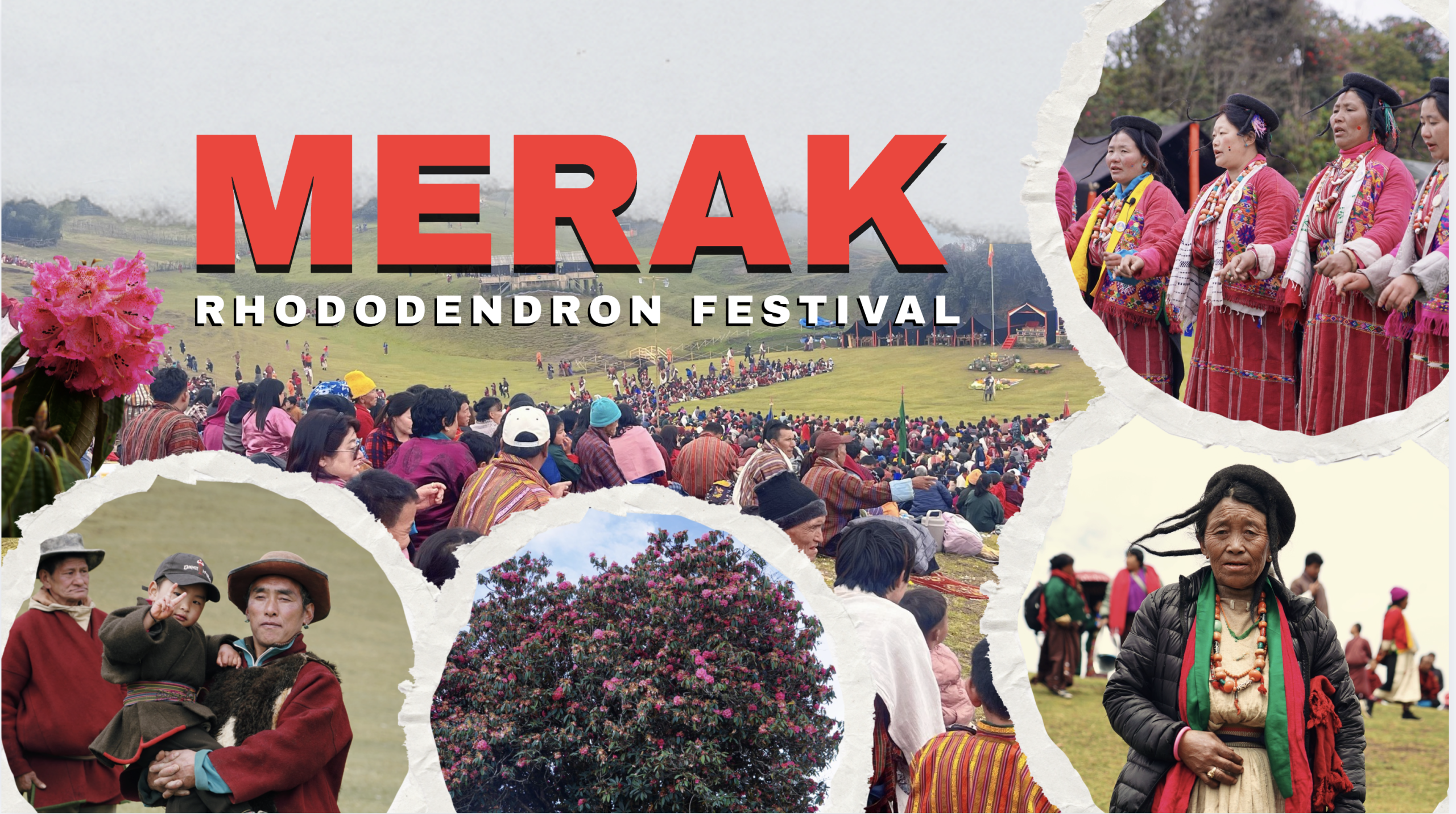
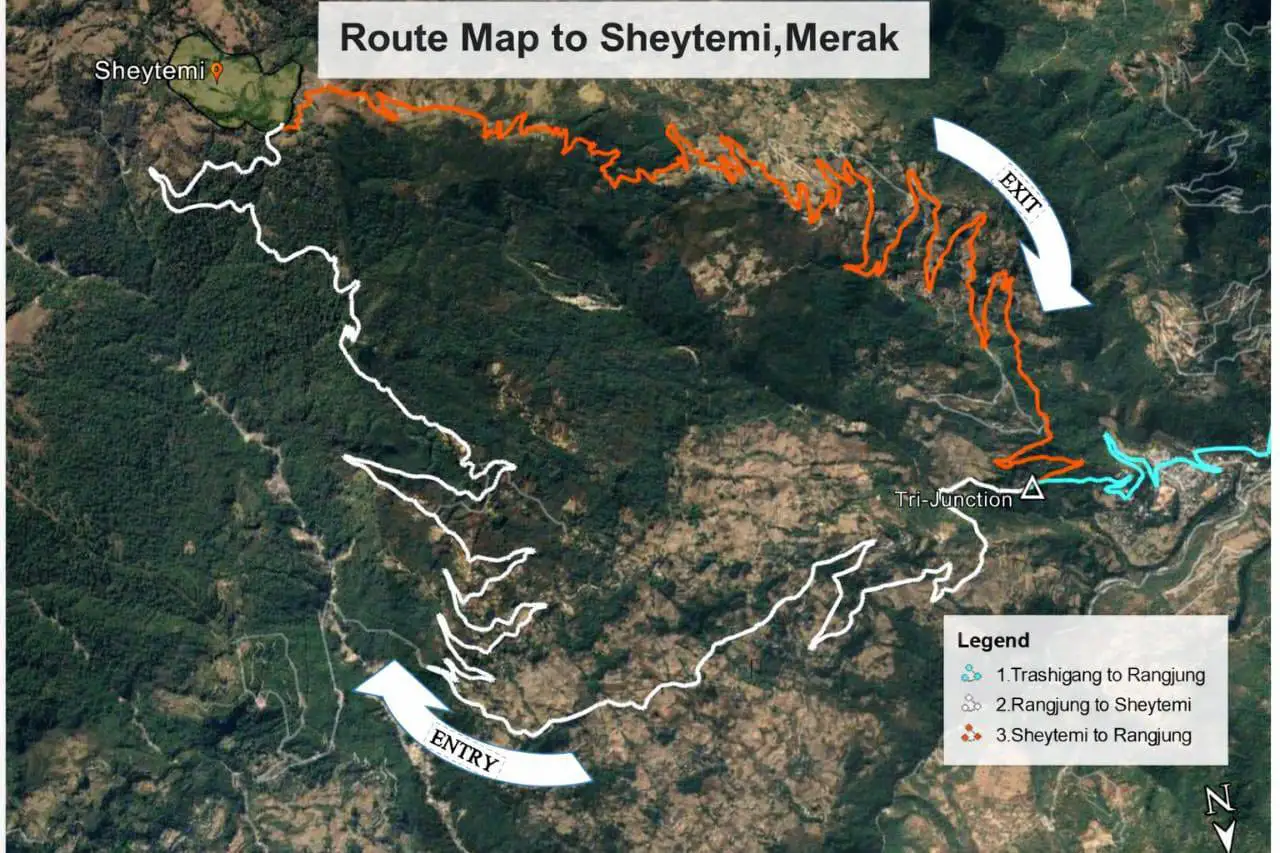
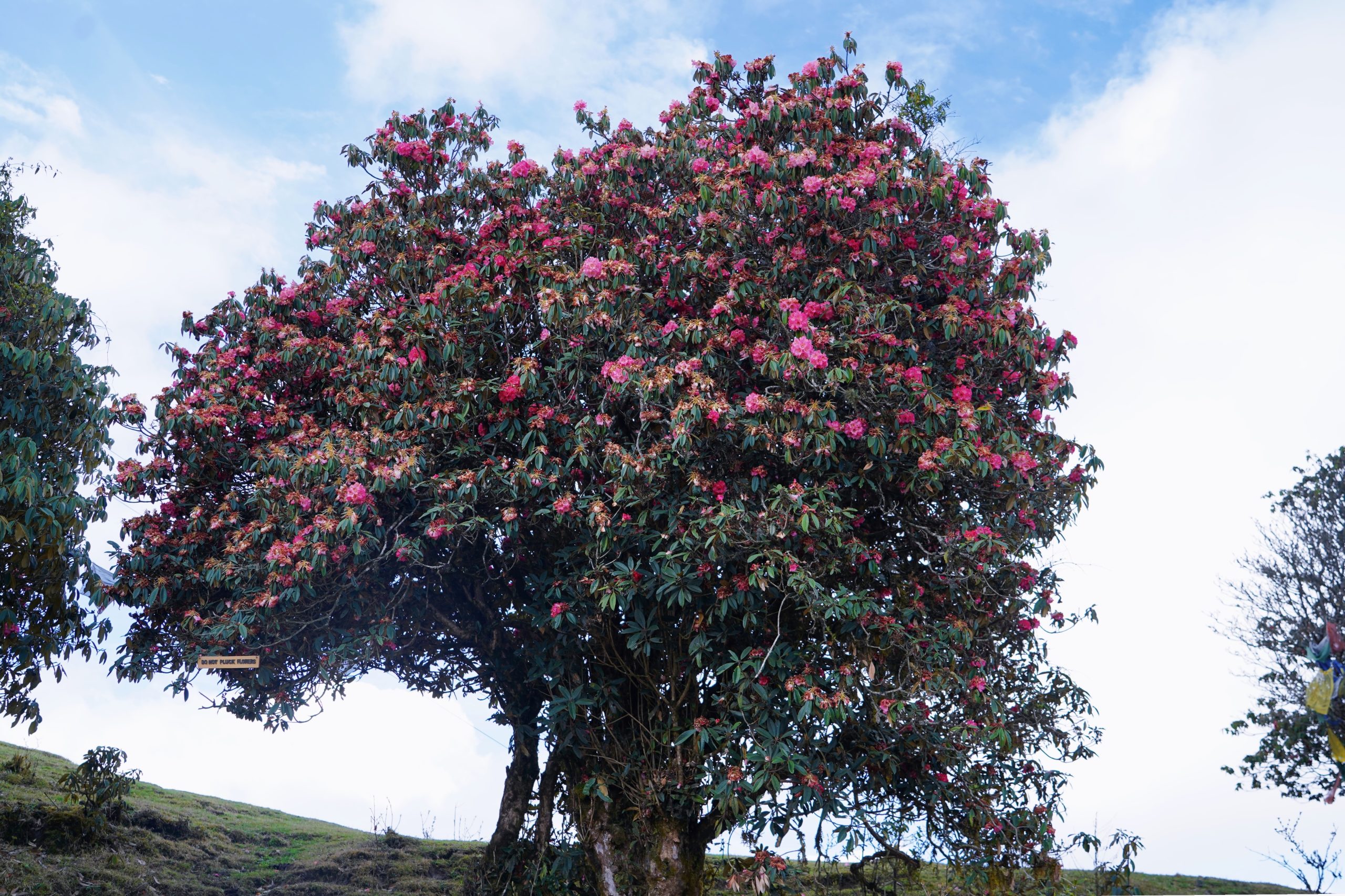
Imagine stepping into crisp mountain air so cold you can see your breath as you speak. Vast meadows stretch before you, dotted with tiny red blooms and the gentle movement of grazing yaks. This is Sheytemi in Merak, often dubbed the Paradise of Rhododendrons. With its cool climate, sweeping landscapes, and the subtle fragrance of rhododendrons in bloom, Merak and Sakteng in Trashigang District are among Bhutan’s most picturesque and serene highland villages. April is the ideal time to visit, especially from the 3rd to the 9th, when the valley comes alive with color and culture during the annual Rhododendron Festival, locally known as Etho Metho week. Located about 27 kilometers from Rangjung Town, Sheytemi, the festival venue, is a scenic 1-hour 30-minute drive, offering travelers a journey as beautiful as the destination itself.
Bhutan Mountain Landscape

The Background of the Festival
The Rhododendron Festival was first introduced in April 2025, held from the 3rd to the 9th, as a celebration dedicated to the semi-nomadic communities of eastern Bhutan. Now in its second edition in 2026, the week-long festival continues to highlight the unique culture, traditions, and natural heritage of the region. It is jointly organized by the Trashigang District Administration and the Department of Tourism, Bhutan. The festival brings together around 15 stalls representing the gewogs of Trashigang, each showcasing a rich variety of local products and traditions. Visitors can explore everything from handicrafts to interactive stalls where you can try on traditional attire, including the distinctive dress of the Brokpa community. One of the highlights is the opportunity to taste zoetey, a fermented cheese known for its strong aroma and unique flavor, deeply rooted in the highland culture of the region in your dishes. Kindly avoid if you have health issues related to cardiovascular concerns and hypertension, while it is still a source of protein for Bhutanese.

Bhutan Flower Festival


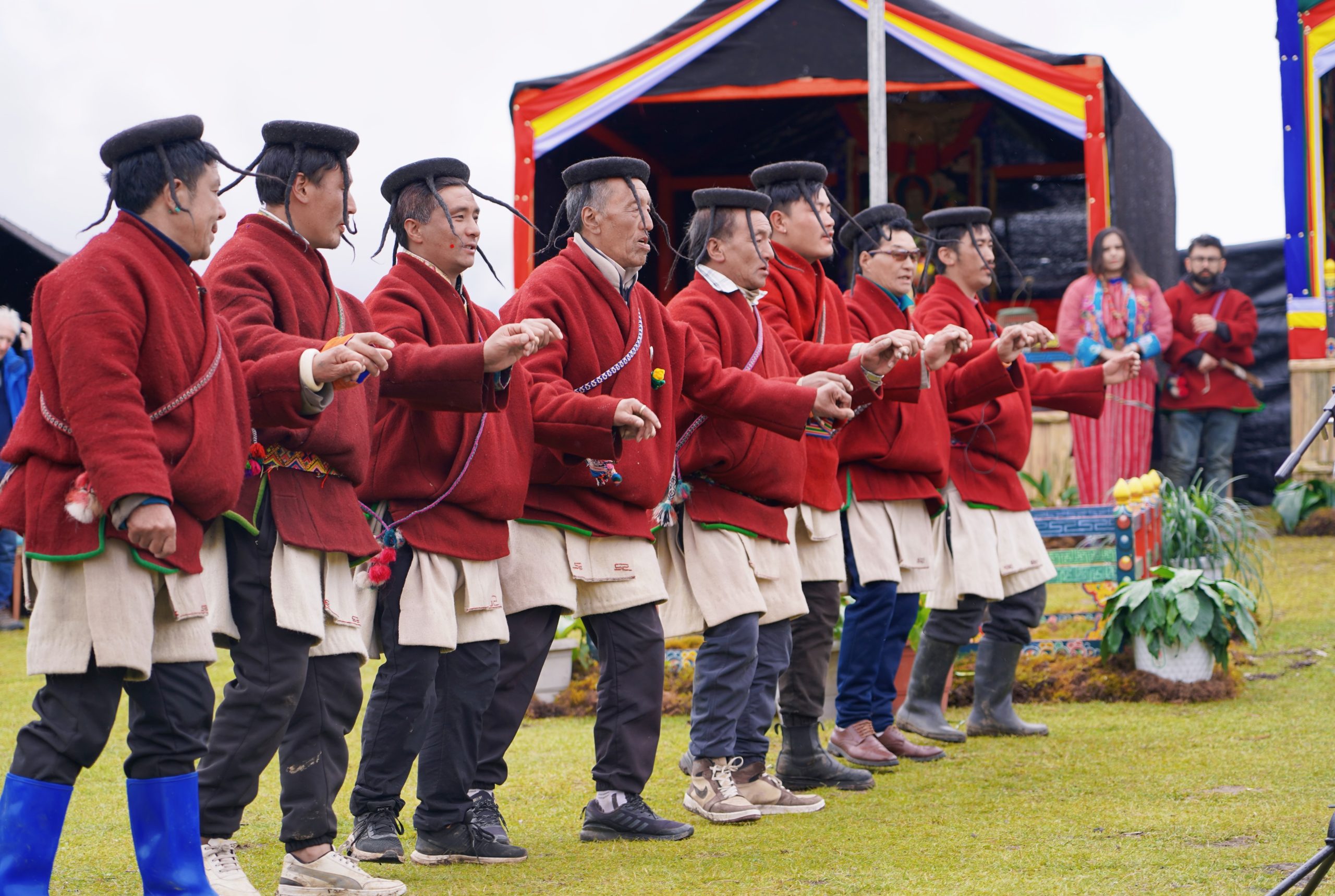
Cultural performances form the heart of the festival, featuring traditional dances performed in gho and kira, alongside the vibrant attire of the Brokpa people. The program also includes arphachams (traditional mask dances), the Snow Lion dance, and lively cultural showcases. Beyond performances, the festival offers a range of engaging activities such as the “Planting for the Future” initiative, the Miss Rhododendron pageant, the playful “Chasing Zoetey” game, guided walks through blooming rhododendron fields, musical nights, and even tastings of rhododendron wine. Altogether, the festival offers an authentic and immersive experience, giving visitors a deeper insight into the food, culture, and everyday life of eastern Bhutan.

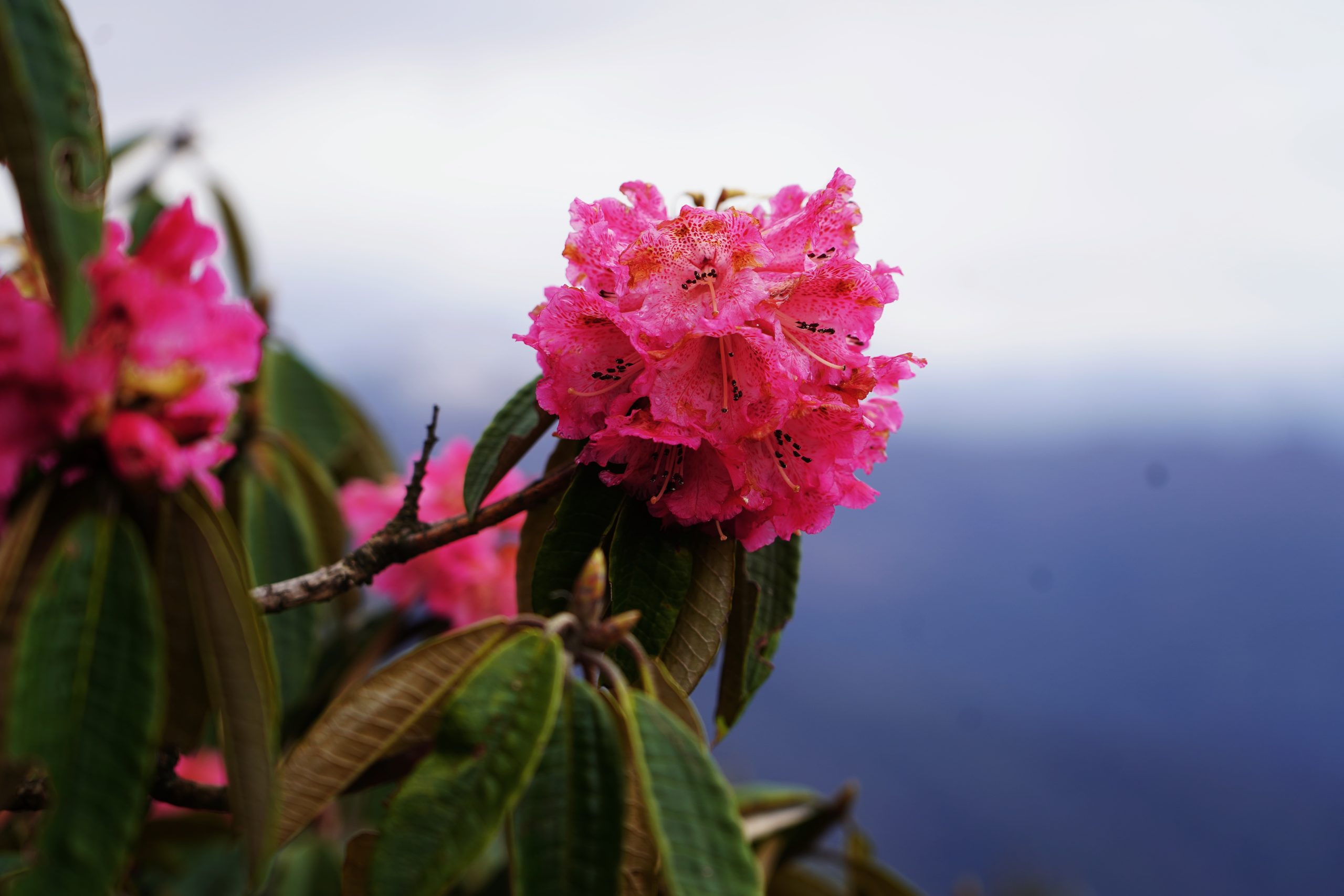
Rhododendron

What Makes The Region Unique

One of the key highlights of visiting eastern Bhutan during the festival season is the rare opportunity to witness the unique lifestyle of highland communities. Merak lies within the Sakteng Wildlife Sanctuary, a vast protected area spanning over 740.60 square kilometers, covering most of Merak and Sakteng gewogs in Trashigang, as well as parts of Lauri gewog in Samdrup Jongkhar. Tucked away in one of the most remote regions of the country, the sanctuary has seen limited development, allowing its natural and cultural heritage to remain largely untouched.
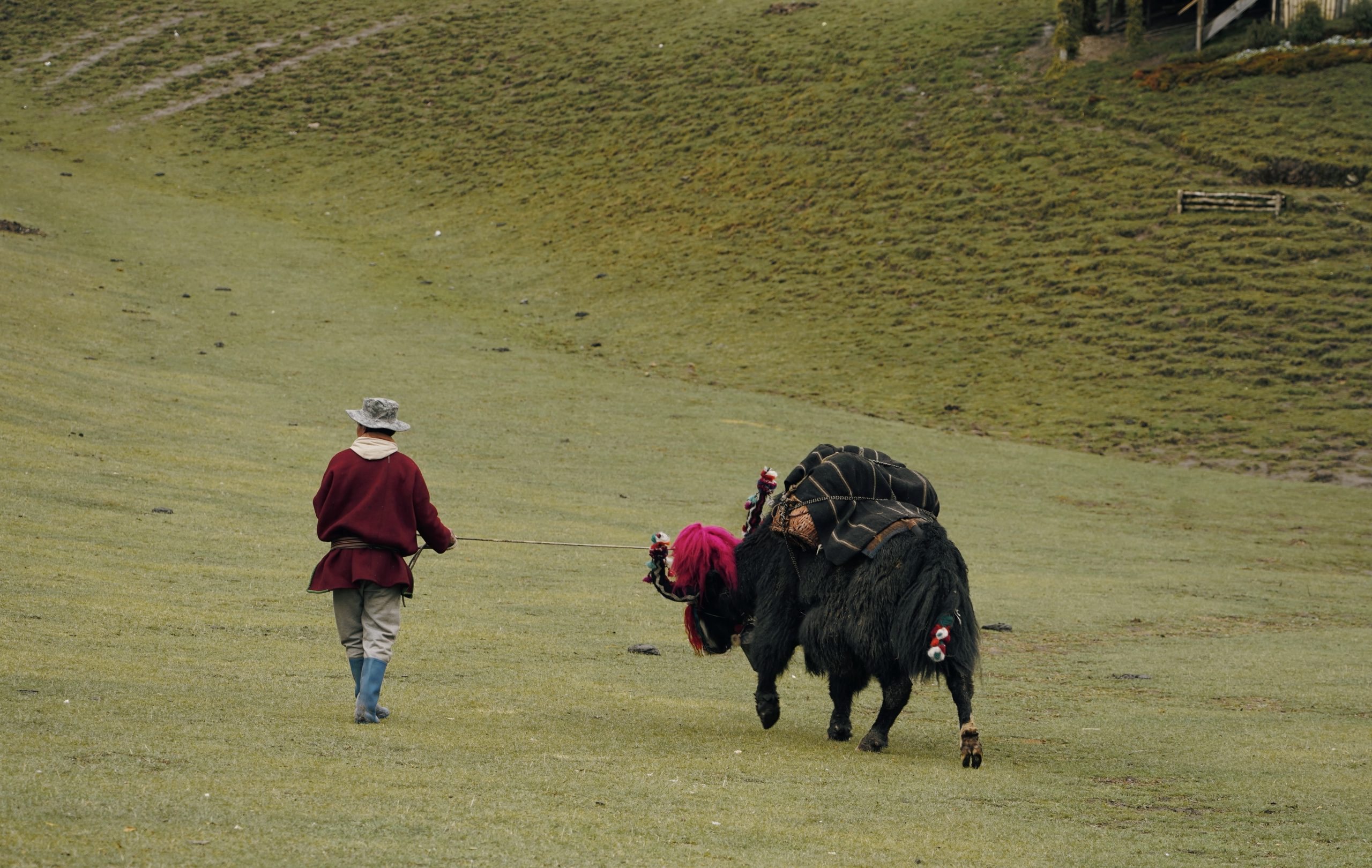
The highlanders here are semi-nomadic, relying heavily on livestock rearing as their primary livelihood, with nearly 83% of household income derived from animal husbandry. In contrast, only a small number of families in lower areas depend on subsistence farming. This deep connection between people and land is a defining feature of life in Merak and Sakteng. The region is also a biodiversity hotspot. Out of the 46 species of rhododendron found in Bhutan, 41 thrive in Merak and Sakteng alone. Some species, such as Rhododendron neriiflorum, are found exclusively in Merak, while Rhododendron papillatum grows in Sheytemi. This extraordinary diversity has earned the area the title Paradise of Rhododendrons,” often likened to a Garden of Eden in the west in full bloom.

A Nomad with his Yak

Beyond its flora, the sanctuary is rich in wildlife, home to species such as the red panda, Himalayan serow, wild dog, goral, common leopard, capped langur, Himalayan black bear, musk deer, and jungle cat. The forests here support over 200 species of trees, along with numerous herbs and shrubs, as well as around 147 species of birds and 20 species of mammals. What makes this region truly remarkable is the harmonious coexistence of a unique semi-nomadic culture alongside thriving biodiversity within a protected landscape. Adding to its beauty, the valley opens up to breathtaking views of sacred peaks like Aum Jomo, rising over 4,000 meters above sea level, along with a range of snow-capped mountains bordering Arunachal Pradesh, India.

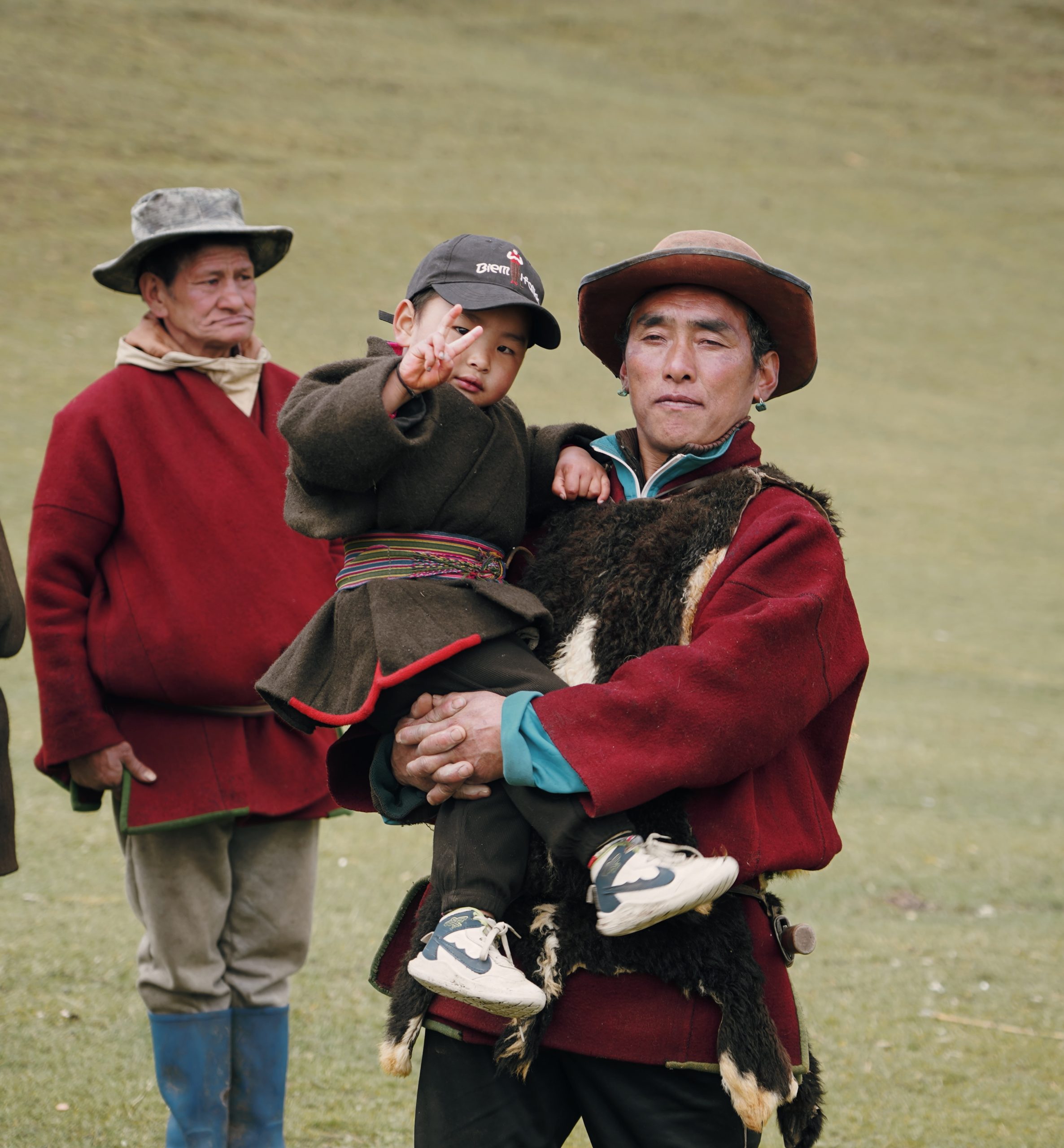
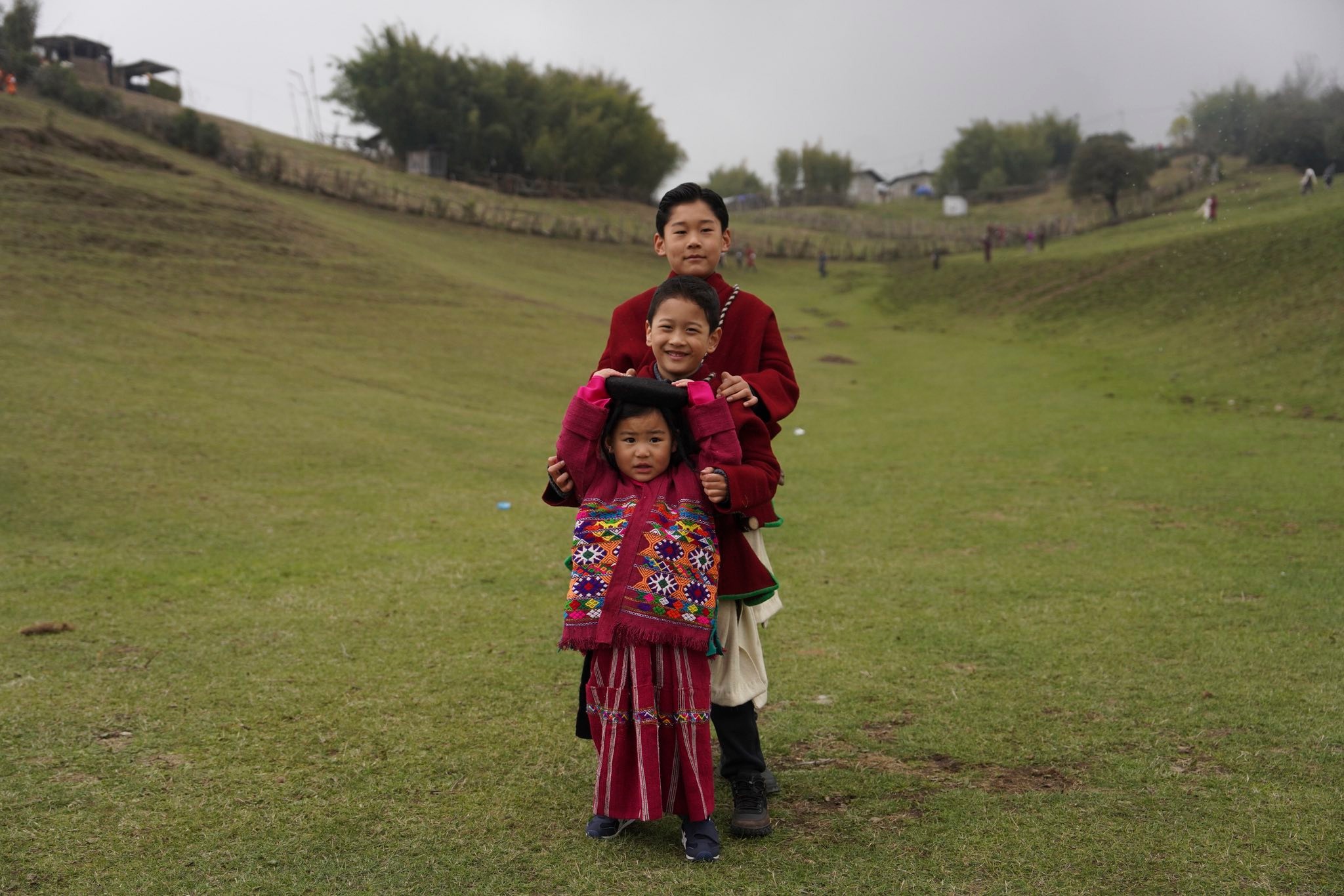
The traditonal attire Highlanders in Bhutan

Itinerary / Who It’s Perfect For / Why Visit
The Rhododendron Festival itinerary typically spans around 10 days, offering a well-rounded journey through Bhutan. It begins in western Bhutan, including iconic sites like the Tiger’s Nest, before continuing with a domestic flight to eastern Bhutan for the festival experience. This itinerary is both affordable and ideal for travelers who want to explore Bhutan in depth, especially those interested in people-centered, cultural experiences combined with the country’s unique flora and fauna. It truly offers great value for the experience it delivers. So, why should you visit the festival? It offers a rare glimpse into the rich traditions and semi-nomadic lifestyle of the highland communities, providing an authentic cultural experience unlike anywhere else. The region itself remains remote and largely unexplored, preserving a sense of raw authenticity that is increasingly rare. Nature lovers will also appreciate the incredible biodiversity, from the vibrant rhododendron species to wildlife such as the red panda and capped langur, along with diverse forest ecosystems. The package typically includes both western and eastern Bhutan, along with domestic flights, making travel seamless across regions.

When to Book
It is recommended to book your tour at least three months in advance of the festival to secure availability. You can explore package options and plan your trip accordingly, Rhododendron festival: Into the land of Brokpas. As the rhododendrons bloom across the highland meadows of Merak, they do more than paint the landscape in vibrant hues, they tell stories of a place where nature and culture exist in quiet harmony. The Rhododendron Festival is not just an event, but an experience that stays with you long after you leave, the warmth of the people, the rhythm of traditional life, and the untouched beauty of the eastern Himalayas.


Bhutan Flower Festival
Our Royal Princes and Princess in traditional Brokpa Attire

In a world that is constantly moving, Merak offers a rare chance to slow down, to connect, and to witness something truly authentic. Whether it’s walking through fields of blooming flowers, sharing moments with the highland communities, or simply breathing in the crisp mountain air, every moment here feels intimate. If you are seeking a journey that goes beyond sightseeing, one that touches culture, nature, and the soul, then the Rhododendron Festival in Merak is waiting for you.

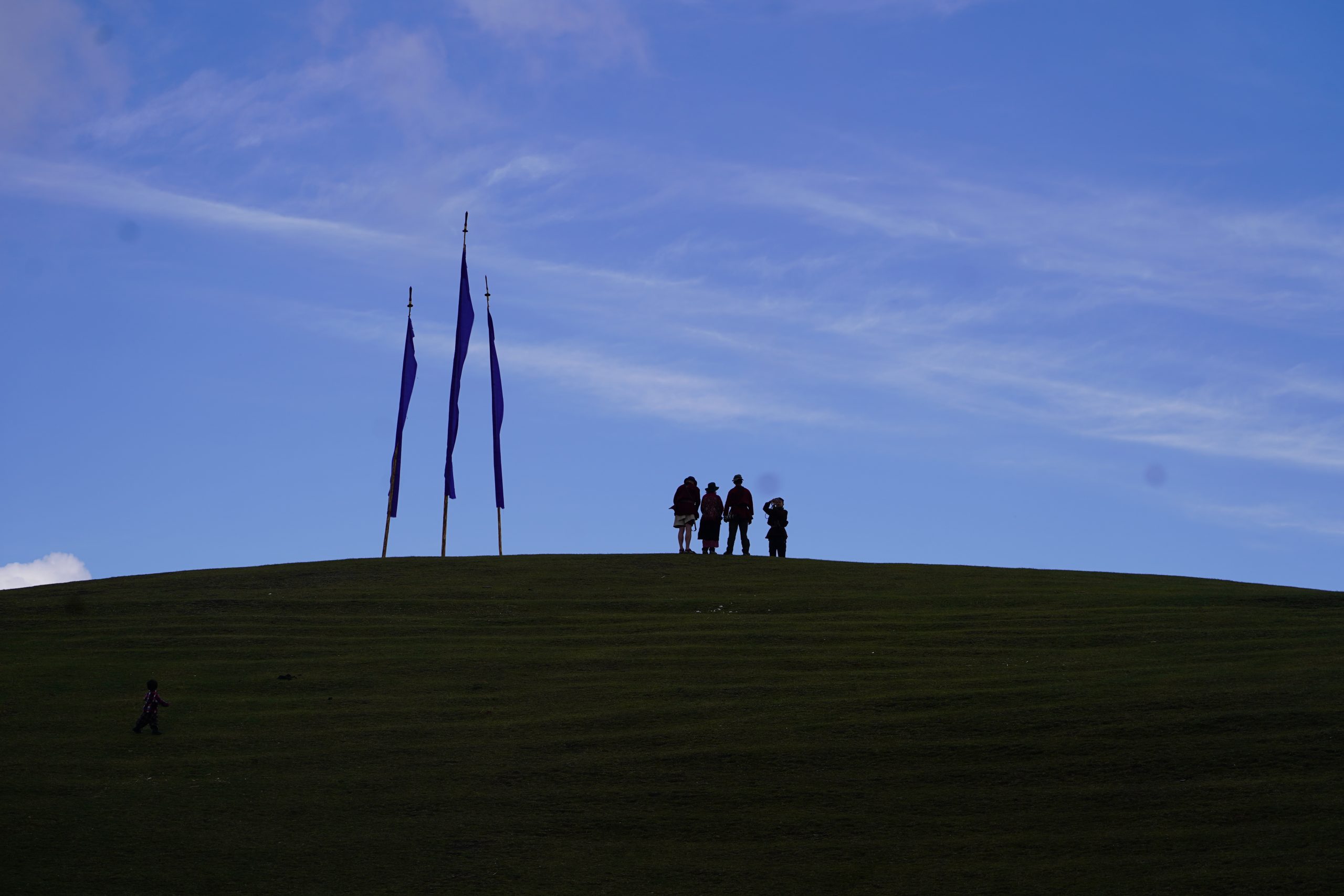
The Plains of Merak

How to Curate a Bhutan Cultural Wall at Home with Prints, Textiles, and Stories

Some souvenirs slip quietly into the background.

A fridge magnet you stop seeing. A keychain gathering dust in a drawer. A postcard that was buried somewhere in the pile of “I’ll frame this later”.

But Bhutan? Bhutan doesn’t leave you like that.

Bhutan doesn’t fade out. It stays with you, tucked into small details. It stays with the shape of a monastery window, a monk’s deep red robe, the lively rhythm of handwoven fabric, or the hush you felt standing in front of a painted Buddha.

If you returned from the Bhutan cultural tour and wished you could hold onto that feeling. Here’s something special: create a Bhutan-inspired wall in your home, not for decor’s sake, but for memory and meaning. Make a corner of your home feel more rooted, soulful, and a lot less mass-produced.

Choose a Bhutan tour and travel agency that guides you to experience Bhutan from the soul, not just the eyes.

Happiness Kingdom Travels, we keep saying Bhutan is a place that changes how you see beauty. And honestly, that beauty doesn’t stay behind; it tags along with you.

Start with the Story, Not the Shopping

Before you go shopping for frames or fabrics, pause for a bit. What did Bhutan feel like?

Was it:

The peaceful hush in a monastery courtyard?

The meticulous thangka paintings?

The warmth from local weavers?

The carved wooden windows in Paro, or

The spiritual signs tucked into everyday objects.

If you want your wall to have something meaningful, don’t rush it. Bhutanese crafts are soaked in meaning and patience. So instead of matching your living room, build around what stuck with you. Start with a memory or a theme.

Think of it less as interior design, more as creating something with soul.

     1. Anchor the Wall with Bhutanese Prints

The easiest starting point? Art.

Start simple: art. Bhutanese paintings, part of the traditional Lha-zo painting, one of the 13 traditional arts of Bhutan known as Zorig Chusum. These paintings often feature color and symbolism—

  • Buddhist deities
  • Lotus motifs
  • Clouds
  • Mountains and mythical creatures
  • Sacred patterns like the endless knot or the wheel of dharma.

You don’t need museum-level thangkas. Even a print inspired by Bhutanese temple art can become a powerful focal point.

Try this:

– A framed print of Tiger’s Nest Monastery

– Bhutanese designs in earthy, soothing colors

– Illustrations of prayer wheels or mandalas

– Black-and-white photos from Paro, Punakha, or Bumthang

Pick one strong centerpiece and build out from there. Let it breathe. Bhutanese art is detailed but doesn’t clutter.

     2. Bring in Textiles That Carry Identity

If Bhutan had a heartbeat in fabric form, it would be Weaving. Thag-zo, which means weaving, is Bhutan’s most iconic traditional craft. These textiles are beautiful, personal, handmade by women who learned from family, carrying generations in every pattern and color.

To bring that culture  into your wall:

Try this:

– A framed section of handwoven cloth

– Panels inspired by the kira (traditional dress)

–  Small swatches arranged in a grid

– A long textile runner hung like art

Don’t fuss with styling too much. Let the fabric stand out. Textiles from Bhutan warm up your wall with real texture (physical and emotional). And honestly, if you joined our Bhutan cultural tour, those weaving workshops probably linger in your memory even more than the scenery.

     3. Add Wood, Metal, and Handmade Details

The craft in Bhutan doesn’t stop at weaving and painting. The 13 traditional arts cover

  • Shing-zo (woodworking)
  • Par-zo (wood carving)
  • Troe-ko (metal crafting)
  • Shag-zo (wood turning)
  • Lug-zo (bronze casting)

This is where your wall starts to feel layered and lived-in

Try:

– A carved wooden frame with dzong-inspired patterns

– Small metal prayer wheel on a shelf

– Wooden bowls or objects placed on ledges

– Bronze miniatures or symbols displayed with care

Even one carved piece can change the whole mood of your wall. Bhutanese architecture sneaks in details everywhere. Those painted beams, window frames, and secret motifs are worth adding to your wall. Bringing those into your home gives your wall genuine roots, not just style.

     4. Tell the Story Beside the Object

Don’t stop at the objects. A Bhutan-inspired wall becomes real when you add your story to it.

Try:

– A handwritten note from your trip

– A framed journal entry or quote

– A label beside a textile: “Bought in Thimphu from a weaver who learned from her grandmother.”

– A caption under a photo: “Taken after a 6 AM hike to Tiger’s Nest.”

That’s what makes it your wall, not just a collection. Bhutan isn’t just visual; it’s emotional. Meaning is hidden in every bit of craft, and even a bamboo basket or a simple paper scroll carries a spiritual pulse. Let your wall hold that magic.

     5. Support Real Craft, Not Factory “Ethnic” Décor

This really matters. Don’t just go for “ethnic” décor with a factory tag. If you want a wall that truly honors Bhutan, pick pieces that come from the source. Find goods made by real artisans, sold through fair-trade or ethical shops. There’s something special about knowing someone put their heart and hands into what you hang.

And if you’re still dreaming of your first visit to Bhutan, our Bhutan tour and travel agency can help you experience these crafts where they truly live, like in workshops, monasteries, local markets, and homes.

Maybe it’s a painter who learned those temple patterns as a child. Or a weaver whose loom carries family stories. The papermaker shapes daphne bark into something sacred. The woodcarver makes each detail count.

Happiness Kingdom Travels believes in:  Travel that brings you closer to culture is the travel worth paying for. With us, you don’t assemble a wall like this; you gather it, piece by meaningful piece.

Build a Wall That Feels Like a Return

A Bhutan-inspired wall isn’t just a travel trophy. It’s a quiet reminder: slow down, choose beauty that means something, and surround yourself with objects that hold stories, not just price tags.

Because honestly, the best thing you can take back from Bhutan isn’t a souvenir. It’s a different way of experiencing it.

Ready for the Real Bhutan?

If you want to get beyond the postcards, find the crafts, the workshops, the heartbeat of Bhutanese culture; start your journey with intention.

Check out the immersive Bhutan cultural tour with Happiness Kingdom Travels. It will be your thoughtful, trusted choice for tours that go beyond the surface.


The Hidden Layers of Bhutanese Culture: Only Guided Cultural Tours Reveal

What Most Travellers Miss in Bhutan

Let’s be real most travellers visit Bhutan, take photos at Tiger’s Nest, explore a few monasteries, and leave thinking they’ve “seen” the country.

But here’s the truth:
Without a best Bhutan guided cultural tour, you’re only scratching the surface.

Bhutan isn’t just about places, it’s about meaning, stories, and traditions that aren’t obvious unless someone explains them.

👉 Quick takeaway: A guided cultural tour transforms Bhutan from a sightseeing trip into a life-changing experience.

What Makes Bhutanese Culture So Unique

Bhutan isn’t like any other destination. Its culture is deeply preserved and intentionally protected.

Gross National Happiness Philosophy

Bhutan is the only country in the world that measures success using Gross National Happiness (GNH).

Instead of focusing only on money, Bhutan prioritises:

  • Mental well-being
  • Cultural preservation
  • Environmental sustainability

Compare that to the U.S., where productivity often defines success it’s a completely different mindset.

Living Buddhist Traditions

Buddhism is not just practised it’s lived.

  • Prayer wheels spin daily
  • Monks walk through cities
  • Rituals are part of everyday life

During a best Bhutan guided cultural tour, your guide explains what these practices actually mean—not just what you see.

Cultural Preservation Laws

Bhutan actively protects its culture:

  • Traditional dress (Gho and Kira) is still worn daily
  • Buildings follow strict architectural guidelines
  • Over 70% of the country remains forested by law

That level of preservation is rare in today’s world.

Why Guided Cultural Tours Are Essential in Bhutan

Bhutan’s tourism model is unique.

👉 You can’t just explore freely like in Europe you need a licensed guide.

But here’s the good part:

Guides don’t just lead—they interpret.

  • Explain rituals
  • Share local stories
  • Provide cultural context
  • Help you connect with locals

According to travel studies, over 70% of travellers say guided tours improve their cultural understanding significantly.

Hidden Cultural Experiences Only Guides Can Reveal

This is where the magic happens.

Spiritual Meaning Behind Monasteries

Take Tiger’s Nest Monastery.

Without a guide, it’s a beautiful hike.

With a guide, you learn:

  • Why it’s sacred
  • The story of Guru Rinpoche
  • The symbolism behind the structure

Understanding Bhutanese Festivals (Tsechus)

Festivals look colourful but they’re deeply spiritual.

Your guide explains:

  • Meaning of masked dances
  • Religious significance
  • Stories behind each performance

Bhutan festival tourism grew by 18% in recent years, largely due to guided cultural experiences.

Local Village Life and Traditions

Guided tours often include:

  • Farmhouse visits
  • Home-cooked meals
  • Daily life interactions

These moments are impossible to access on your own.

Sacred Rituals and Blessings

You might witness:

  • Prayer ceremonies
  • Monk blessings
  • Astrology readings

Without a guide, you wouldn’t even know what’s happening.

Cultural Etiquette You Would Miss Without a Guide

Bhutan has subtle cultural rules:

  • Dress modestly in temples
  • Don’t point at sacred objects
  • Walk clockwise around monasteries

Small mistakes can feel disrespectful guides help you navigate this respectfully.

Language and Communication in Bhutan

Bhutan’s national language is Dzongkha, but English is widely spoken.

Still, deeper conversations require cultural understanding—not just language.

Guides act as a bridge, helping you truly connect.

Food Culture and Dining Traditions

Traditional Bhutanese Cuisine

Bhutanese food is bold and spicy.

Popular dishes:

  • Ema Datshi (chili and cheese)
  • Red rice
  • Local vegetable curries

Dining Etiquette

Meals are often shared, and hospitality is important.

During a guided tour, you learn not just what to eat—but how to eat respectfully.

The Role of Religion in Everyday Bhutanese Life

Religion shapes everything:

  • Daily routines
  • Decision-making
  • Community life

Monasteries aren’t just tourist sites—they’re living spiritual centres.

This is something you truly understand only through a guided experience.

Architecture and Symbolism in Bhutan

Every building tells a story.

  • Dzongs (fortress monasteries) symbolize power and spirituality
  • Traditional homes include symbolic patterns
  • Colours and designs have meaning

Without a guide, you see buildings.
With a guide, you understand them.

How Guided Tours Enhance Cultural Immersion

Guided tours offer:

  • Storytelling from locals
  • Access to hidden places
  • Real-time cultural explanations
  • Personalized experiences

That’s why searches like “best Bhutan guided cultural tour” are increasing globally.

Bhutan Cultural Tours for USA Travelers

Bhutan is becoming popular among U.S. travelers—and for good reason.

📊 Key trends:

  • Cultural tourism grew by 23% globally
  • Wellness travel is growing by 20%+ annually
  • More Americans prefer meaningful travel over luxury

Bhutan fits perfectly into this shift.

Common Misconceptions About Bhutanese Culture

Myth: Bhutan is outdated
👉 Reality: It blends tradition with modern comfort

Myth: Bhutan is boring
👉 Reality: It’s peaceful and deeply engaging

Myth: Culture is only religious
👉 Reality: It’s part of everyday life

Can You Experience Bhutan Without a Guide

Technically? No.

Bhutan requires tourists to book through licensed operators.

And honestly, that’s a good thing.

Guided tours ensure:

  • Better experiences
  • Cultural understanding
  • Responsible tourism

Best Experiences to Include in a Bhutan Cultural Tour

  • Tiger’s Nest Monastery
  • Local festivals (Tsechus)
  • Farmhouse stays
  • Meditation sessions
  • Traditional hot stone baths

These make your trip unforgettable.

Who Should Choose a Guided Cultural Tour in Bhutan

A best Bhutan guided cultural tour is perfect for:

  • First-time visitors
  • Couples and honeymooners
  • Solo travelers
  • Families
  • Spiritual seekers

Final Thoughts: Why Guided Tours Reveal the Real Bhutan

Bhutan is not a place you just visit; it’s a place you experience.

And without a guide, you miss the deeper meaning.

With the best Bhutan guided cultural tour, you don’t just see Bhutan—you understand it.

At Happiness Travel Kingdom, we believe travel should change you. Bhutan does exactly that.

FAQs About 

1. What is included in the best Bhutan guided cultural tour

It includes accommodation, meals, guide services, permits, and cultural experiences like monastery visits and festivals.

2. Why do I need a guide in Bhutan

Guides are mandatory and help you understand Bhutan’s culture, traditions, and spiritual significance.

3. How much does a Bhutan cultural tour cost

Expect $3,500–$5,500 per person for a 7-day trip from the USA.

4. Is Bhutan safe for U.S. travellers

Yes. Bhutan is one of the safest countries in the world with very low crime rates.

5. What is the best time for a Bhutan cultural tour

Spring (March–May) and Autumn (September–November) are the best seasons.

The Spiritual Side of Bhutan Festival Tours No One Tells You About

Bhutan isn’t eager to show off its spiritual side. Honestly, it’s a quiet story you won’t catch in glossy brochures or flashy travel videos. Before tourists existed and cameras were a thing, locals would trek for days just to join a festival. It wasn’t for entertainment; they came for blessings, connection, and renewal. People believed that watching a sacred dance could wipe away lifetimes of karma.

Picture yourself stepping into that old courtyard. Not just watching, but becoming part of something that has existed long before you. 

That’s the side of Bhutan that gets overlooked. That’s why the best Bhutan festival tours linger in your memory long after you come back home.

Festivals That Feel Like Living Prayers

In Bhutan, festivals (Tshechus ) aren’t staged shows. Their devotion, plain and simple. Picture monks and locals gathered in monastery courtyards and ancient dzongs, honoring Guru Rinpoche, the one who brought Buddhism here in the 8th century. Every masked dance, every beat, every moment of stillness is packed with meaning.

You’ll notice right away: there are no bright lights, no speakers blaring announcements. Just rhythm, colors, and the sense that you’re witnessing something sacred. 

And the most beautiful part? 

Locals don’t just “attend” these festivals; they belong to them. If you choose Bhutan festival tours from the right Bhutan travel partner, you get invited into that feeling of belonging.

The Moment That Changes Everything

Paro Tshechu – More Than a Festival

This festival happens around March or April, and yeah, it’s Bhutan’s biggest celebration. But here’s what really matters: before sunrise on the last day, monks quietly unroll a huge sacred tapestry called the Thongdrel. 

It only appears once a year. People gather in almost total silence, some whispering prayers, others just watching.

There’s no rush and no noise. Everyone shares this simple belief: seeing the Thongdrel is enough. It doesn’t feel like tourism at all. It feels personal.

Where Stories Are Told Without Words

Thimphu Tshechu – Energy With Meaning

In September, Thimphu’s festival swings into action. It’s bigger, more lively, but still deeply spiritual. The Cham dances have a purpose. Each movement represents:

  • The triumph of good over negative forces
  • Lessons from Buddhist teachings
  • The journey of the human soul

And then you’ve got the Atsaras. It is the traditional clowns who slip humor into the rituals. Think of them as Bhutan’s way of saying, “Spirituality doesn’t have to be serious all the time.”

Wisdom and laughter go hand in hand.

When History and Faith Walk Together

Punakha Drubchen & Tshechu – Spirit Meets Story

February or March brings this festival, a mix of history and deep belief. Locals reenact a 17th-century battle that defended Bhutan’s independence. It’s not just reliving the past; it’s a reminder of resilience and unity.

Then the Tshechu arrives – days of masked dances, prayers, and everyone coming together. Standing in Punakha Dzong, rivers and mountains all around, you feel the history.

The Festival That Feels Almost Otherworldly

Jambay Lhakhang Drup – Raw and Powerful

This festival hits different. It happens in October or November, but it feels like it exists outside of time. There’s a fire ritual where people pass under flames for purification. And at night, there’s the Tercham, that sacred dance under the open sky. 

The whole thing is intense, ancient, packed with meaning. It’s a reminder that spirituality doesn’t always whisper. Sometimes, it roars. Sometimes, it wants you to feel every bit of it.

Not All Festivals Are Grand—and That’s the Beauty

Haa Summer Festival – Life in Its Purest Form

July rolls in, and the Haa Valley comes to life more quietly. Here, it’s not about big rituals, but about showing how people really live. You’ll see:

  • Yak herders demonstrating daily life
  • Traditional sports like archery and khuru
  • Local food prepared the way it has been for generations

It’s simple, down-to-earth, and feels more real than any big parade. Sometimes, it’s these humble festivals that leave the deepest mark.

Monasteries: Where the Festival Energy Begins

Festivals are deeply tied to monasteries. Think Tiger’s Nest Monastery clinging to cliffs, Punakha Dzong shining near the river, or Gangtey Monastery rising above the valley. These aren’t just pretty places to snap a photo; they’re the backbone of the whole spiritual scene. 

A lot of travelers heading on the Best Bhutan Festival Tours combine monastery visits with festival experiences. 

Small Etiquette That Makes a Big Difference

Just a few things can help you blend in and show respect:

– Dress modestly (think long sleeves, covered legs).

– Keep conversations quiet during ceremonies.

– Always ask before taking someone’s photo.

– Leave the flash off so you don’t break the mood.

These aren’t hard rules. There are ways to become part of the spirit of the place.

Why Travel With Happiness Kingdom Travels

Bhutan isn’t the kind of place you check off a bucket list. You have to dive in and let it sink in slowly. Happiness Kingdom Travels open doors to experiences you wouldn’t have on your own. 

From special festival access to stories behind every dance and prayer, we make sure your journey is immersive and respectful. If you want the Best Bhutan Festival Tours, we’re the ones who blend real planning with real heart.

Final Thought: It Stays With You

You won’t remember every dance move.
You won’t recall every detail.

But the feeling? That stays. 

The hush in the crowd.

 Smiles from total strangers. 

The quiet realization that not everything needs to be captured to be meaningful.

Ready to See Bhutan Differently?

Plan your journey with Happiness Kingdom Travels and find a Bhutan that most people miss.

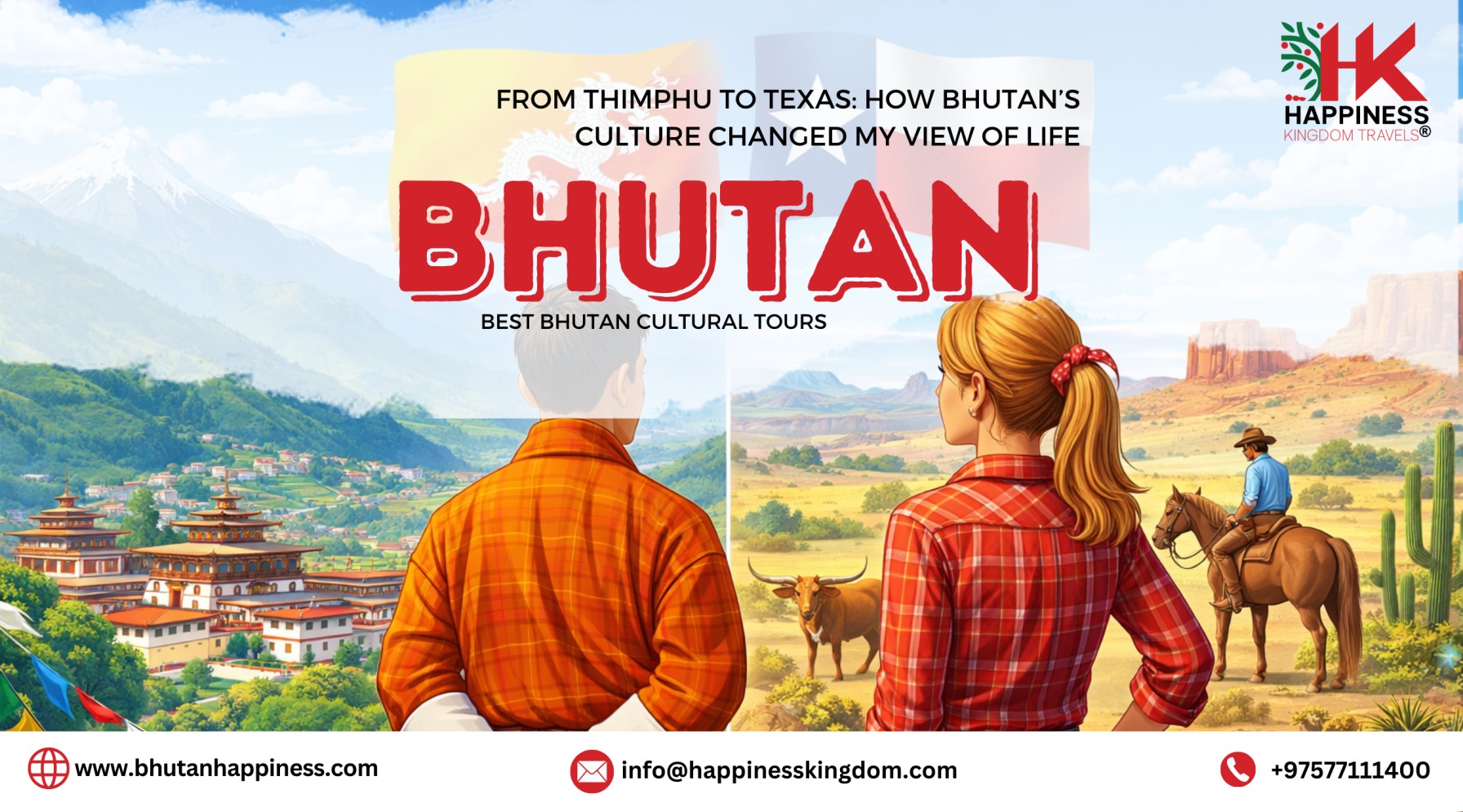
From Thimphu to Texas: How Bhutan’s Culture Changed My View of Life

A Quick Reflection for Busy Readers

If you’re short on time, here’s the truth:
A top Bhutan cultural tour didn’t just change how I travel—it changed how I live.

I went to Bhutan expecting temples and mountains. I came back questioning hustle culture, redefining success, and actually slowing down my life back in Texas.

And honestly? I didn’t expect that at all.

Why I Chose Bhutan Over Popular Destinations

Living in the U.S., most of us default to places like Europe, Hawaii, or Mexico. I almost booked Italy… again.

But then I stumbled across Bhutan while searching for “unique cultural travel experiences” and “Bhutan travel from USA”. What caught my attention was one thing:

👉 Bhutan measures success using Gross National Happiness (GNH) instead of GDP.

That alone made me curious.

According to global tourism reports, over 65% of American travelers now prefer experience-based travel over traditional vacations—and Bhutan fits perfectly into that trend.

First Impressions Arriving in Thimphu

Landing in Bhutan felt like stepping into a different world.

  • No traffic lights in the capital city
  • Clean air (Bhutan is carbon-negative)
  • Peaceful environment
  • People smiling… genuinely

Thimphu didn’t feel chaotic like most cities. It felt calm, intentional, and human.

Even simple things—like people wearing traditional dress daily—made me realize how deeply culture is respected here.

What Makes Bhutan’s Culture Unique

Gross National Happiness vs GDP

Bhutan’s entire system is built around happiness, not just economic growth.

In the U.S., we chase productivity, promotions, and paychecks. In Bhutan, the focus is:

  • Mental well-being
  • Cultural preservation
  • Environmental sustainability

And honestly, it shows.

Strong Spiritual Foundation

Buddhism isn’t just a religion here—it’s a way of life.

Prayer flags flutter everywhere. Monks walk through cities. Meditation is normal.

During my top Bhutan cultural tour, I visited monasteries where silence felt powerful, not awkward.

Respect for Nature

Here’s a stat that blew my mind:

👉 Bhutan maintains over 70% forest cover by law

Compare that to the U.S., where urban expansion continues rapidly.

Bhutan doesn’t just talk about sustainability—it lives it.

Daily Life in Bhutan vs Life in Texas

Work-Life Balance

In Texas, life moves fast. Meetings, deadlines, side hustles.

In Bhutan? Life feels balanced.

People work—but they also pause, reflect, and enjoy.

Community vs Individualism

Bhutan feels community-driven. People support each other.

In the U.S., we’re more independent—which is great—but sometimes isolating.

Technology and Simplicity

Back home, screen time averages 7+ hours per day for Americans.

In Bhutan, life isn’t centered around screens. It’s centered around people.

That difference hit me hard.

Moments That Changed My Perspective

A few experiences completely shifted my mindset:

  • Hiking to Tiger’s Nest Monastery (life-changing)
  • Talking to a monk about happiness
  • Attending a local festival (Tsechu)
  • Sharing a home-cooked meal with a Bhutanese family

These weren’t just travel moments—they were life lessons.

What Bhutan Taught Me About Happiness

Here’s what I brought back:

  • Happiness isn’t about “more”—it’s about “enough”
  • Being present matters more than being productive
  • Slowing down doesn’t mean falling behind

According to wellness tourism data, global wellness travel is expected to grow by 20%+, and Bhutan is leading that movement.

Reverse Culture Shock Returning to Texas

Coming back wasn’t easy.

  • Traffic felt overwhelming
  • Everything felt rushed
  • Consumerism felt louder

I found myself missing the silence of Bhutan.

And that’s when I realized—this trip actually changed me.

Practical Lessons I Brought Back Home

Slowing Down Daily Life

  • Morning walks without my phone
  • Taking real breaks

Redefining Success

  • Less focus on money
  • More focus on peace

Digital Detox Habits

  • Reduced screen time
  • More time with family

Small changes—but powerful ones.

Why More Americans Are Visiting Bhutan

Bhutan is becoming popular among U.S. travelers—and for good reason.

📊 Key stats:

  • Cultural tourism grew by 23% globally in 2023
  • Wellness travel demand increased by over 20%
  • Bhutan tourism from North America is steadily rising

Search trends like “top Bhutan cultural tour” and “Bhutan travel experience” are increasing every year.

Who Should Experience Bhutan’s Culture

A Bhutan cultural tour is perfect if you are:

  • Feeling burned out
  • Looking for meaning, not just travel
  • Planning a honeymoon
  • Traveling solo for self-discovery
  • Wanting a unique family experience

How to Plan a Bhutan Cultural Journey from the USA

Planning is easier than you think.

  • Visa arranged through tour operator
  • Mandatory $100/day Sustainable Development Fee (SDF)
  • Best time: March–May, September–November
  • Typical trip: 7–10 days

Search queries like “Bhutan tour packages from USA” and “Bhutan itinerary 7 days” can help you plan better.

Common Misconceptions About Bhutan

Myth: Bhutan is too expensive
👉 Reality: It’s premium—but worth it

Myth: Bhutan is boring
👉 Reality: It’s peaceful, not boring

Myth: No modern comforts
👉 Reality: Comfortable hotels with cultural charm

Final Thoughts

Bhutan isn’t just a destination.

It’s a perspective shift.

For me, traveling from Thimphu back to Texas wasn’t just a return flight—it was a reset.

If you’re looking for more than just a vacation, a top Bhutan cultural tour might be exactly what you need.

And trust me—you’ll come back different.

FAQs About Top Bhutan Cultural Tour

1. What is included in a top Bhutan cultural tour

It includes guided sightseeing, hotels, meals, permits, and visits to monasteries, festivals, and cultural sites.

2. Is Bhutan worth visiting from the USA

Yes. Bhutan offers a unique mix of culture, spirituality, and nature that you won’t find anywhere else.

3. How much does a Bhutan cultural tour cost

Expect $3,500–$5,000 per person for a 7-day trip from the USA.

4. Do people speak English in Bhutan

Yes. English is widely spoken, especially by guides and in hotels.

5. What is the best time for a Bhutan cultural tour

Spring (March–May) and Autumn (September–November) are ideal for weather and festivals.


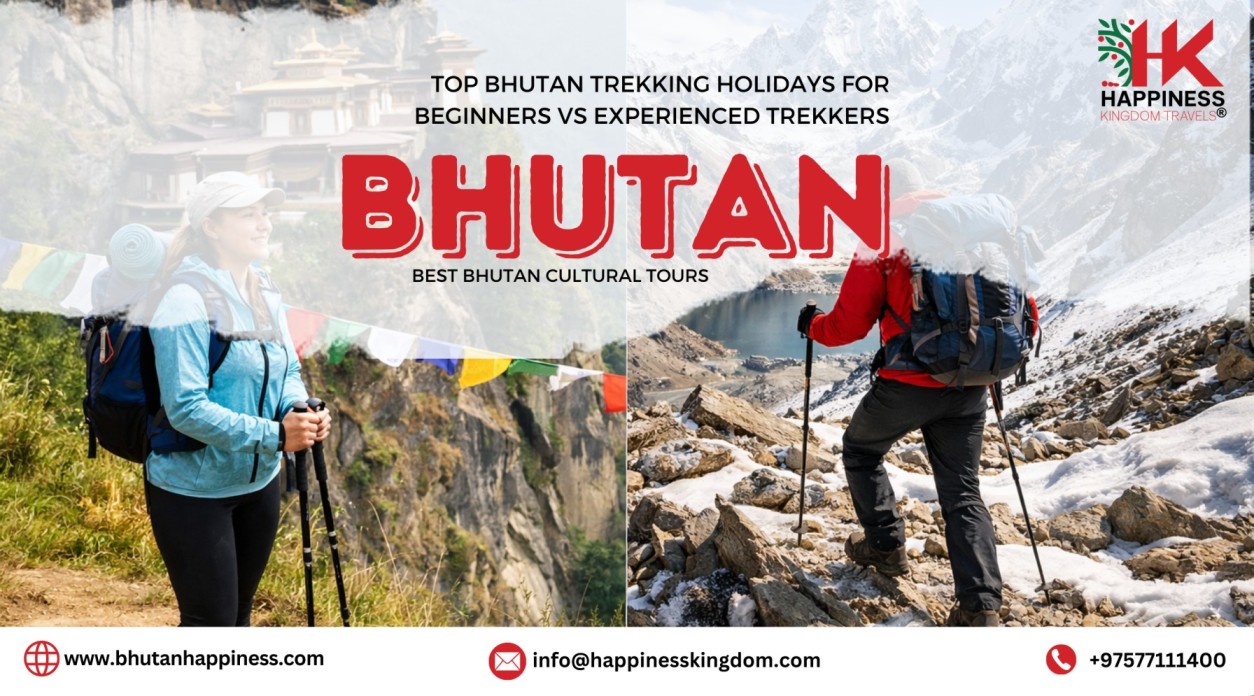
Top Bhutan Trekking Holidays for Beginners vs Experienced Trekkers

You’re not alone. Many U.S. travellers exploring Bhutan trekking tour holidays ask the same question: Should I go for an easy trek or challenge myself with something advanced?

At Happiness Travel Kingdom, we help travellers choose the perfect trek based on fitness, time, and experience. Let’s break it down in a simple, honest way.

Quick Answer: Which Bhutan Trek Is Right for You

  • Beginner trekkers: Go for Druk Path or Bumthang Owl Trek
  • Experienced trekkers: Choose Jomolhari or Snowman Trek
  • Short trip (5–7 days): Beginner-friendly routes
  • Adventure-focused trip (10+ days): Advanced treks

👉 If this is your first Himalayan experience, start easy. You can always level up later.

Why Bhutan Is a Top Trekking Destination

Bhutan is one of the most unique trekking destinations in the world—and here’s why:

  • Over 70% of Bhutan is covered in forest
  • It’s the only carbon-negative country
  • Strict tourism policy limits overcrowding
  • Fewer tourists compared to Nepal or Peru

In fact, Bhutan receives fewer than 350,000 tourists annually, making it perfect if you want a peaceful, uncrowded trekking experience.

Search trends like “Bhutan adventure travel” and “Bhutan trekking holidays tour packages” are rising rapidly among U.S. travellers.

What to Expect from Bhutan Trekking Tour Holidays

Most Bhutan trekking tour holidays are fully guided and include:

  • Licensed trekking guide
  • Camping equipment
  • Meals and cook staff
  • Horses or yaks for gear transport
  • Permits and Sustainable Development Fee (SDF)

The SDF is currently $100 per person per day, supporting Bhutan’s sustainable tourism model.

Best Bhutan Trekking Holidays for Beginners

If you’re new to trekking, don’t worry—Bhutan has great options.

Druk Path Trek

  • Duration: 5–6 days
  • Difficulty: Moderate
  • Highlights: Lakes, forests, mountain views

This is one of the most popular beginner-friendly treks.

Bumthang Owl Trek

  • Duration: 3–4 days
  • Difficulty: Easy to moderate
  • Perfect mix of culture and nature

Gangtey Valley Treks

  • Lower altitude
  • Scenic and relaxed
  • Ideal for families or older travellers

👉 These are perfect if you’re searching for “Bhutan trekking for beginners”.

Best Bhutan Trekking Holidays for Experienced Trekkers

Looking for a real challenge? Bhutan delivers.

Jomolhari Trek

  • Duration: 7–10 days
  • Altitude: Up to 16,000 ft
  • Stunning Himalayan views

Snowman Trek

  • Duration: 20–25 days
  • Known as one of the toughest treks globally
  • Remote, raw, and unforgettable

Dagala Thousand Lakes Trek

  • Duration: 6–7 days
  • High-altitude lakes and panoramic views

These are ideal if you’re searching for “best treks in Bhutan” or “Bhutan high altitude trekking”.

Difficulty Level Comparison: Beginner vs Experienced Treks

FactorBeginner TreksAdvanced Treks
Altitude8,000–11,000 ft12,000–16,000+ ft
Duration3–6 days7–25 days
Daily Hiking4–6 hours6–10 hours
TerrainModerateChallenging

Altitude is the biggest factor. Many U.S. travelers underestimate it—don’t.

Cost Comparison Bhutan Trekking Packages

Let’s talk numbers.

Beginner Trek (5–6 days)

  • SDF: $500–$600
  • Trek package: $1,500–$2,500
  • Flights from USA: $1,200–$2,000

👉 Total: $3,500–$5,000 per person

Advanced Trek (7–12 days)

  • SDF: $700–$1,200
  • Trek logistics: $2,500–$4,000

👉 Total: $5,000–$8,000+ per person

Trekking costs more due to logistics, staff, and remote routes.

Best Time for Bhutan Trekking Holidays

  • Spring (March–May): Flowers, clear views
  • Autumn (Sept–Nov): Best weather and visibility

These seasons account for nearly 70% of Bhutan tourism bookings.

Avoid the monsoon season for trekking.

Physical Fitness Requirements for Bhutan Treks

Beginner Level

  • Basic cardio fitness
  • Ability to walk 4–6 hours daily

Advanced Level

  • Strong endurance
  • Experience with altitude trekking

Training Tips

  • Start hiking locally
  • Build stamina with cardio
  • Practice uphill walking

According to fitness data, even moderate hiking improves endurance by 30% within 8 weeks.

Bhutan Trekking Holidays for USA Travellers

Why Americans are choosing Bhutan:

  • Unique Himalayan experience
  • Less crowded than the Everest region
  • Safe and well-organised

Adventure tourism is growing fast—over 15% annually, with U.S. travellers leading demand.

Pros and Cons of Bhutan Trekking Holidays for Beginners

Pros

  • Easier routes
  • Great introduction to trekking
  • Scenic and enjoyable

Cons

  • Less extreme adventure
  • Shorter duration

Pros and Cons of Bhutan Trekking Holidays for Experienced Trekkers

Pros

  • High adventure level
  • Remote landscapes
  • Unique trekking routes

Cons

  • Physically demanding
  • Higher cost
  • Weather challenges

Can Beginners Upgrade to Advanced Treks

Yes—but don’t rush it.

Start with shorter treks, then move to longer and higher-altitude routes.

Combining Trekking with Cultural Tours

This is one of the best options.

Example 8–10-day itinerary:

  • 4 days trekking
  • 4 days of cultural sightseeing

You get both adventure and spiritual experiences.

Who Should Choose Beginner Trekking Holidays

  • First-time trekkers
  • Couples
  • Families
  • Travellers wanting moderate adventure

Who Should Choose Advanced Trekking Holidays

  • Experienced hikers
  • Adventure seekers
  • Photographers
  • Solo travelers

Common Mistakes to Avoid

  • Ignoring altitude preparation
  • Choosing the wrong trek level
  • Not training beforehand
  • Booking late during peak season

Final Verdict

Here’s the simple truth:

  • Want comfort + adventure → Choose beginner treks
  • Want challenge + thrill → Choose advanced treks

For most U.S. travellers, starting with a moderate trek is the smartest choice.

FAQs

1. Are Bhutan trekking tour holidays safe

Yes. Bhutan is one of the safest trekking destinations with licensed guides and strict regulations.

2. Do I need experience for the Bhutan trekking

Not always. Beginner-friendly treks are available.

3. How much do Bhutan trekking holidays cost

Expect $3,500–$8,000 depending on trek type and duration.

4. What is the easiest trek in Bhutan

The Bumthang Owl Trek and Druk Path Trek are great for beginners.

5. What is the hardest trek in Bhutan

The Snowman Trek is considered one of the toughest treks in the world.


Is a Royal Bhutan Tour Worth It Compared to Standard Bhutan Packages

If you’re planning a once-in-a-lifetime trip to Bhutan, you’ve probably seen the phrase royal Bhutan tour packages pop up everywhere. But what does that really mean? And more importantly — is it actually worth the higher price compared to a standard Bhutan package?

At Happiness Travel Kingdom, we get this question from U.S. travelers all the time. So let’s break it down in simple, honest terms — cost, comfort, experience, and overall value.

What Is a Royal Bhutan Tour

A royal Bhutan tour package is essentially a luxury-level experience in Bhutan. Think premium lodges, private guides, curated cultural access, and a more personalized pace.

Here’s what typically makes a tour “royal”:

  • 5-star or boutique luxury lodges
  • Private SUV with a dedicated driver
  • Personalized itinerary
  • Fine dining experiences
  • Spa and wellness add-ons
  • Priority access during festivals

Luxury tourism is growing fast worldwide. According to the Adventure Travel Trade Association, experiential luxury travel grew by over 20% globally in 2023, and Bhutan is becoming a rising favorite among high-end travelers from the USA.

What Are Standard Bhutan Packages

Standard Bhutan packages are still very well organized — Bhutan requires all international travelers (except Indians, Bangladeshis, and Maldivians) to book through licensed operators.

Standard packages typically include:

  • 3-star government-approved hotels
  • English-speaking guide
  • Private vehicle (shared within your group)
  • All meals
  • Permits and Sustainable Development Fee (SDF)

Most 7-day Bhutan tours for U.S. travelers fall between $3,000–$4,500 per person, depending on season.

Royal Bhutan Tour vs Standard Bhutan Packages Comparison

Let’s compare them clearly.

Accommodation Experience

Royal tours offer stays in luxury lodges like Six Senses-style properties, boutique eco-resorts, or high-end wellness retreats.

Standard packages use comfortable 3-star hotels that are clean and culturally authentic but simpler.

Fun fact: Bhutan caps hotel ratings through a government classification system, so even 3-star hotels maintain strong service standards.

Dining Experience

Luxury packages often include:

  • Private candlelight dinners
  • Farm-to-table organic meals
  • Chef-curated tasting menus

Standard tours include full-board meals at hotel restaurants — usually buffet-style with local and continental options.

Transportation

Royal packages may include:

  • Premium SUVs
  • Private transfers
  • Sometimes helicopter experiences

Standard tours provide reliable private cars, but without high-end upgrades.

Cultural Access

Both offer monastery visits, but royal packages are often arranged:

  • Private blessings from monks
  • Exclusive festival seating
  • Deeper spiritual sessions

Bhutan’s festivals (Tsechus) attract thousands annually. In 2023, festival tourism increased by nearly 18%, especially among North American visitors.

Personalization

Luxury = fully customized.
Standard = semi-fixed itinerary.

If you want flexibility, slow mornings, or special requests, royal packages win.

How Much Does a Royal Bhutan Tour Cost

Here’s the big question.

Bhutan charges a Sustainable Development Fee (SDF) of $100 per person per day (as of 2024). This applies to all international visitors.

For a 7-day luxury Bhutan trip from the USA, expect:

  • SDF: $700
  • Luxury accommodation: $400–$800 per night
  • Private guide & vehicle: included
  • Flights from USA: $1,200–$2,000

Total average: $6,000–$9,000 per person

Luxury Bhutan travel is comparable to high-end Europe or Maldives trips, but with far fewer tourists.

Bhutan receives around 300,000 visitors annually, compared to over 80 million visitors to France. That exclusivity is part of what you’re paying for.

How Much Do Standard Bhutan Packages Cost

For a 7-day standard Bhutan package:

  • SDF: $700
  • Mid-range hotel: $80–$150 per night
  • Guide & vehicle: included
  • Flights: $1,200–$2,000

Total average: $3,000–$4,500 per person

It’s still not “cheap,” but Bhutan isn’t a backpacking destination. It’s designed for controlled, high-quality tourism.

Pros and Cons of a Royal Bhutan Tour

Advantages

  • Maximum privacy
  • High comfort
  • Deep personalization
  • Wellness and spa access
  • Ideal for honeymoons

Disadvantages

  • Higher cost
  • Less group social interaction

Pros and Cons of Standard Bhutan Packages

Advantages

  • More budget-friendly
  • Great for first-time visitors
  • Social group experience
  • Well-structured itinerary

Disadvantages

  • Less flexibility
  • Simpler hotel options

Who Should Choose a Royal Bhutan Tour

Royal Bhutan tour packages are perfect if you are:

  • Planning a honeymoon
  • Celebrating an anniversary
  • Looking for spiritual luxury
  • Wanting a bucket-list trip
  • Traveling from the USA and wanting to maximize a long-haul journey

Many U.S. couples treat Bhutan as a “once in a lifetime” destination, similar to an African safari.

Who Should Choose Standard Bhutan Packages

Standard packages are great if:

  • You’re visiting Bhutan for the first time
  • You’re traveling with friends
  • Budget matters more than luxury
  • You prefer a structured schedule

Is a Royal Bhutan Tour Worth It for USA Travelers

Here’s the honest answer.

If you’re flying 20+ hours from the United States, investing a bit more for comfort and personalization can make a huge difference.

According to Virtuoso’s 2023 Luxury Travel Report, 74% of American luxury travelers prioritize experiences over material purchases. Bhutan fits that trend perfectly.

If budget allows, royal packages enhance the experience significantly.

If budget is tighter, standard Bhutan packages still deliver a powerful cultural journey.

Best Time to Book Royal vs Standard Bhutan Tours

Peak seasons:

  • Spring (March–May)
  • Autumn (September–November)

These seasons see up to 40% higher booking demand, especially during Paro and Thimphu festivals.

Luxury lodges sell out 6–9 months in advance.

Final Verdict

So, are royal Bhutan tour packages worth it?

If you value:

  • Privacy
  • Comfort
  • Personalization
  • Unique cultural access

Then yes, absolutely.

If you’re simply focused on seeing Bhutan’s highlights without premium upgrades, standard packages are still fantastic.

At Happiness Travel Kingdom, we help U.S. travelers choose based on lifestyle, budget, and travel goals — not just price.

FAQs

1. What is included in royal Bhutan tour packages

Luxury accommodation, private guide and vehicle, personalized itinerary, premium dining, and cultural experiences.
2. How much does a royal Bhutan tour cost from the USA

Expect $6,000–$9,000 per person for a 7-day luxury trip including SDF but excluding international flights.

3. Is Bhutan a luxury destination

Yes. Bhutan follows a high-value tourism policy, limiting visitor numbers and promoting premium experiences.

4. Can I upgrade a standard Bhutan package to luxury

Yes. Many operators allow hotel and service upgrades while keeping core itinerary structure.

5. Is Bhutan worth visiting compared to Europe or Maldives

If you want culture, spirituality, and exclusivity instead of beaches and crowds, Bhutan offers unmatched value.

test
EXPLORE BHUTAN LIKE NEVER BEFORE WITH HK TRAVELS
Custom Tours
Customisable
Tour Packages
Languages
12+ Languages
Fluent Guides
Certified
Govt. Certified
Tour Guides
Experience
20+ Years of
Experience
Staff
18+ Dedicated
Staff Members

PLAN YOUR TRIP TO BHUTAN

Fill in your details and we’ll get back to you with the best deals!