
Chimi Lhakhang Hosts the First- Ever Fertility Festival in Bhutan: A Landmark Moment for the Kingdom
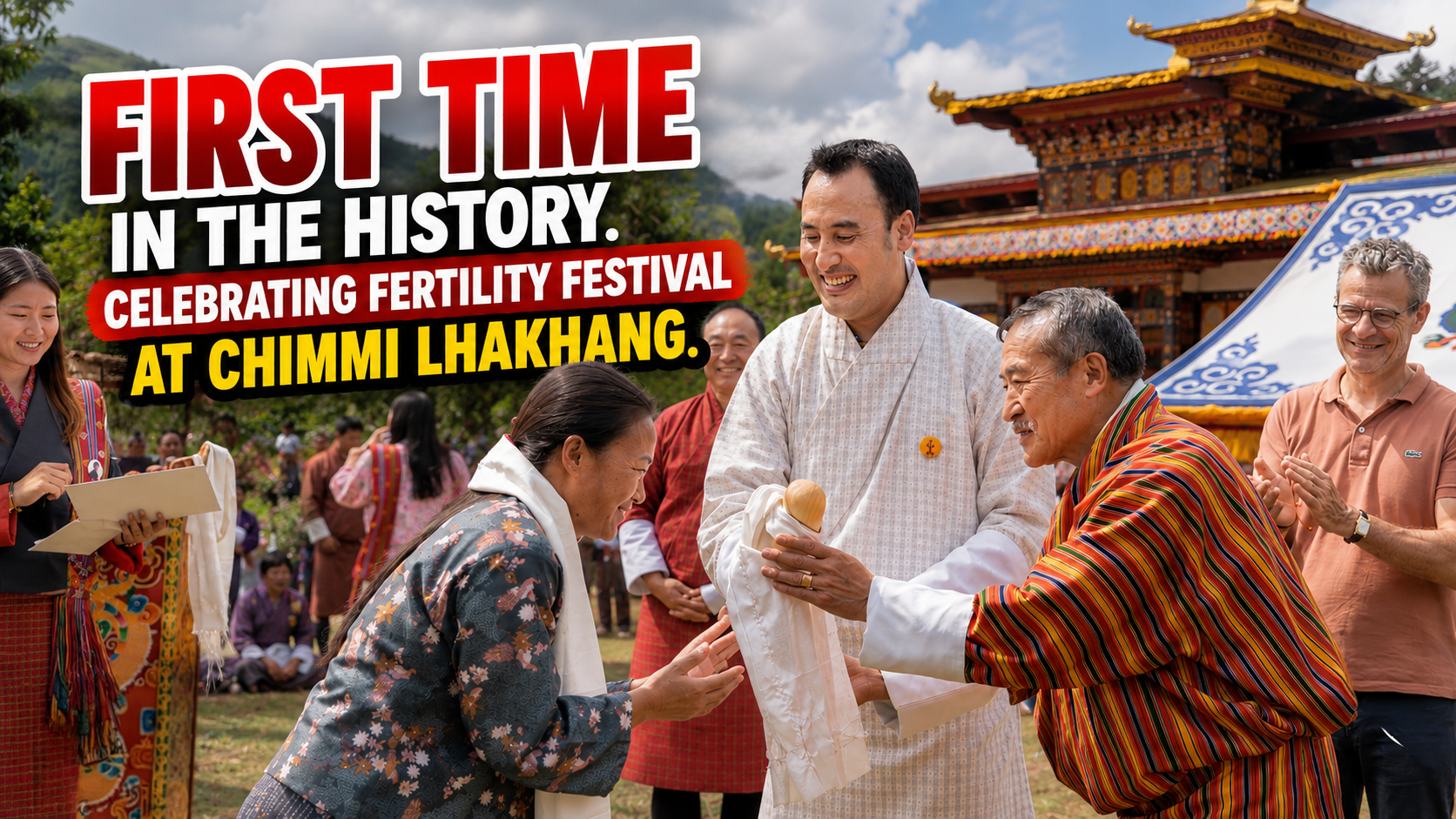
Fertility Festival: One of the First Kind in Bhutan
The short 10-15 minute walk to Chimi Lhakhang may be off the beaten path, tucked away from the main roads, but the well-worn trail tells its own story clearly shaped by the steady stream of pilgrims who have walked it for years. Famously known as the “Fertility Temple,” Chimi Lhakhang has long held deep spiritual and cultural significance in Bhutan. People travel from near and far, many of them couples struggling to conceive, in hopes of being blessed with a child. Inside the lhakhang, visitors can see an album of photographs sent in by people from around the world who confirm that they bore children after visiting the temple, a tribute to its enduring significance. In keeping with this legacy, Bhutan held its first-ever Fertility Festival on May 23-24, a two-day celebration honoring this cultural tradition. While the festival’s official aims center on celebrating heritage, one can’t help but wonder if it also speaks to a quieter concern: the declining fertility rate of Bhutan and a hope that it might inspire more young people to consider having children in the future. On 23 and 24 May, the grounds around the monastery came alive with the first-ever Fertility Festival of Bhutan, honoring the legacy of Lam Drukpa Kuenley, the “Divine Madman” whose unconventional teachings and blessings have shaped Bhutanese spiritual life for centuries. The festival brought together over 3,245 visitors, both local and international, for traditional rituals, cultural performances, local food and craft stalls, a scenic trail run through the Punakha countryside. For the first time, Bhutan opened this deeply personal tradition to the world, turning what has long been a quiet, intimate pilgrimage into a public celebration shared with visitors from far beyond its borders.
The Background of the Festival
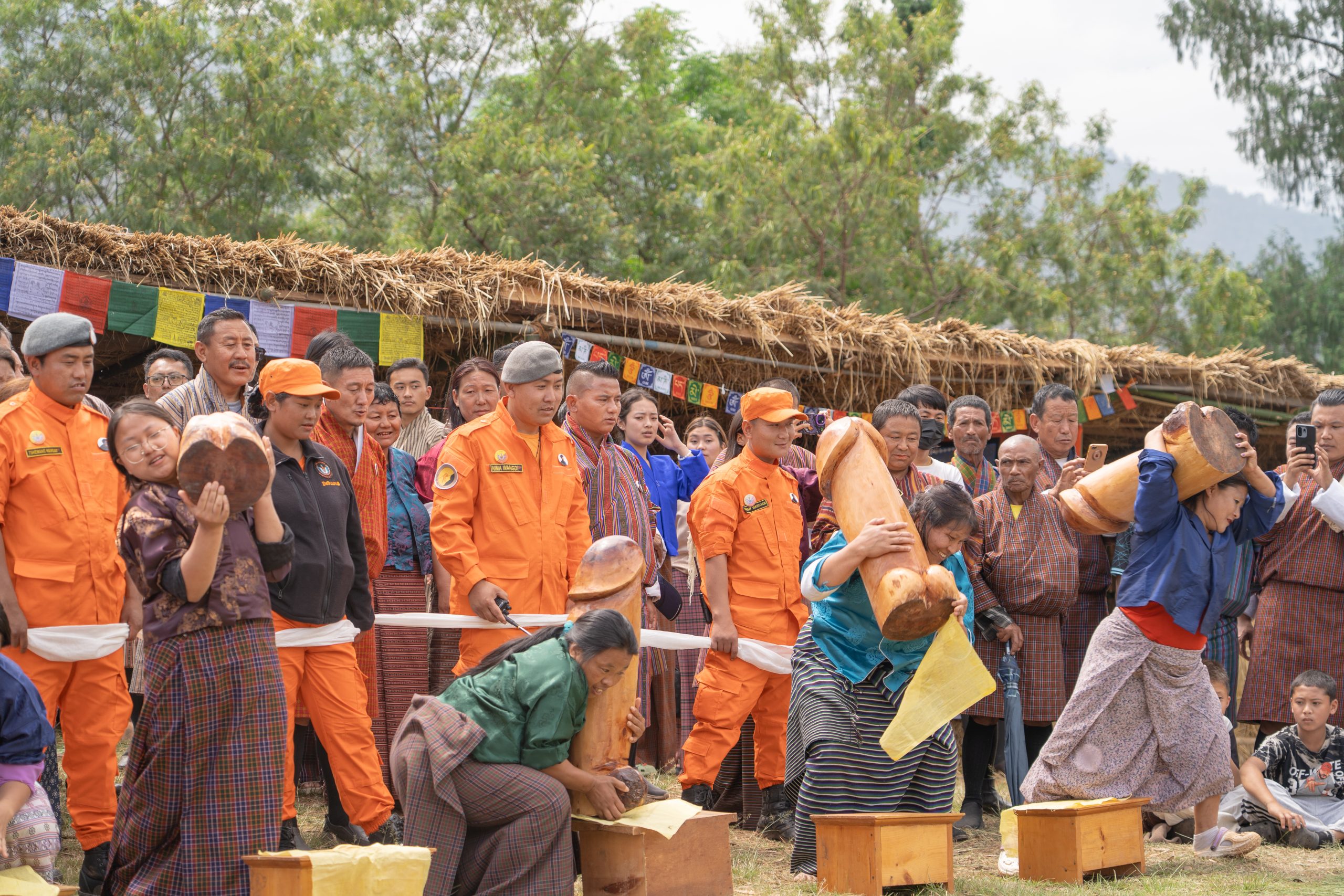
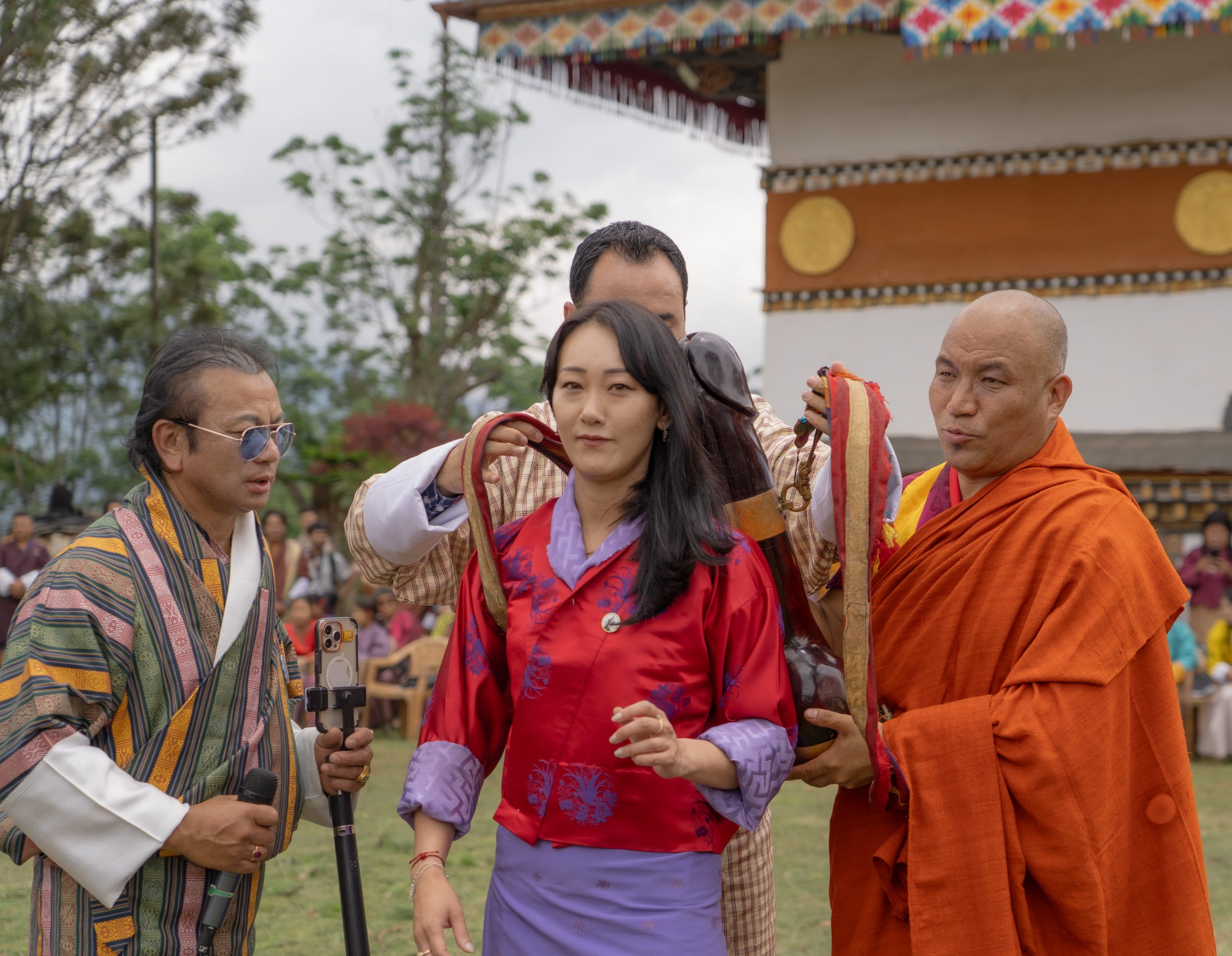
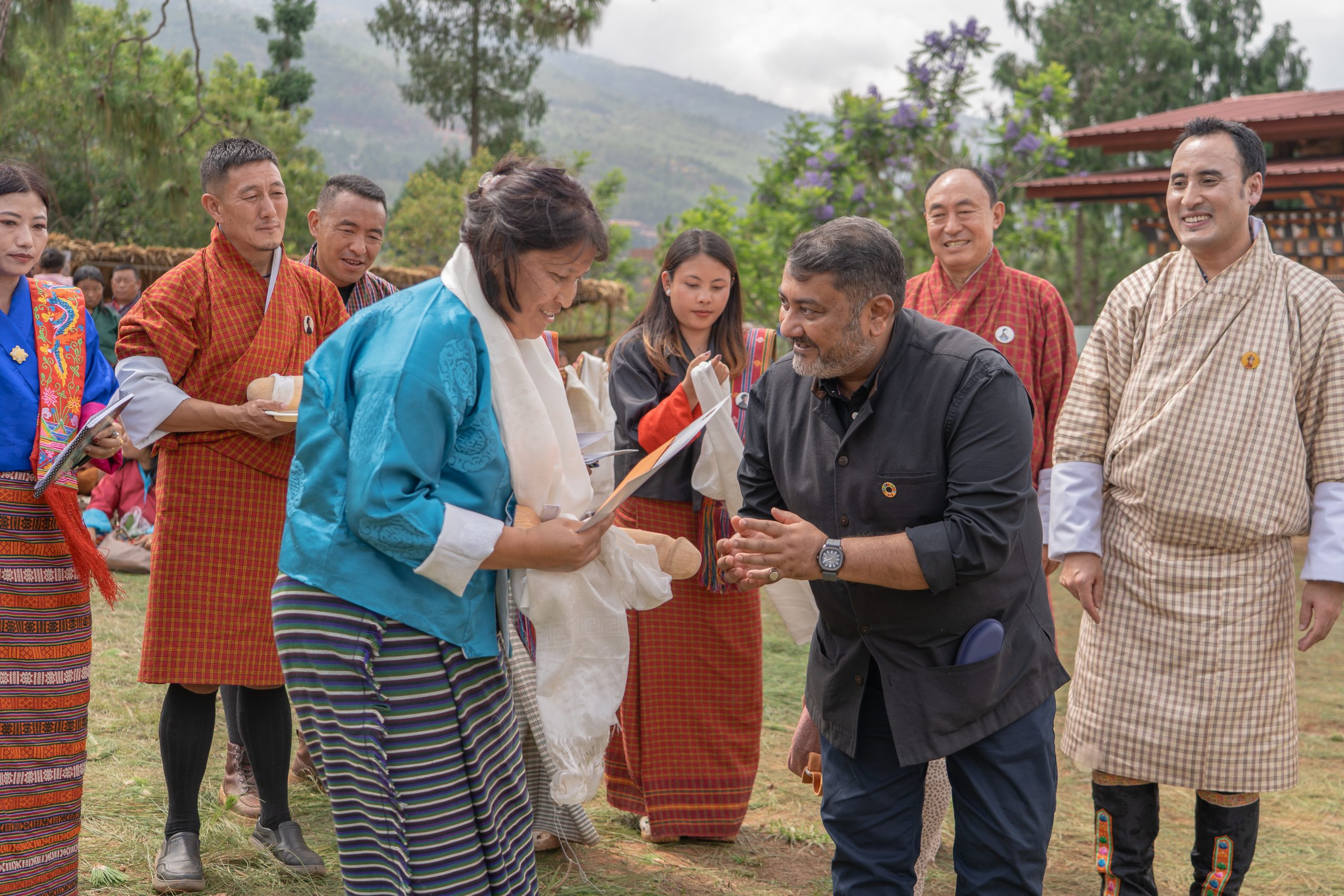
The Fertility Festival is organized by the Department of Tourism of Bhutan in collaboration with the Punakha Dzongkhag Administration and Barp Gewog Administration, and generously funded by the Government of India through the Embassy of India in Thimphu under the Economic Stimulus Program. The festival is set to be held annually on May 23 and 24. The inaugural edition took place in May 2026, under the theme “The Sacred Joy of Creation.” The festival’s main highlights included the fertility kora, accompanied by storytelling of past fertility blessings and their success, a phallus-lifting competition for women, and a memorable evening of stargazing at Kaja Throm in Punakha. At first glance, watching women lift large wooden phallic structures and race with them might seem almost bizarre. But look deeper, and it makes sense: everything begins with birth. In the larger process of evolution, birth is the most significant milestone, and this festival exists to celebrate exactly that. That, perhaps, is its most unique element.
Festival Programme
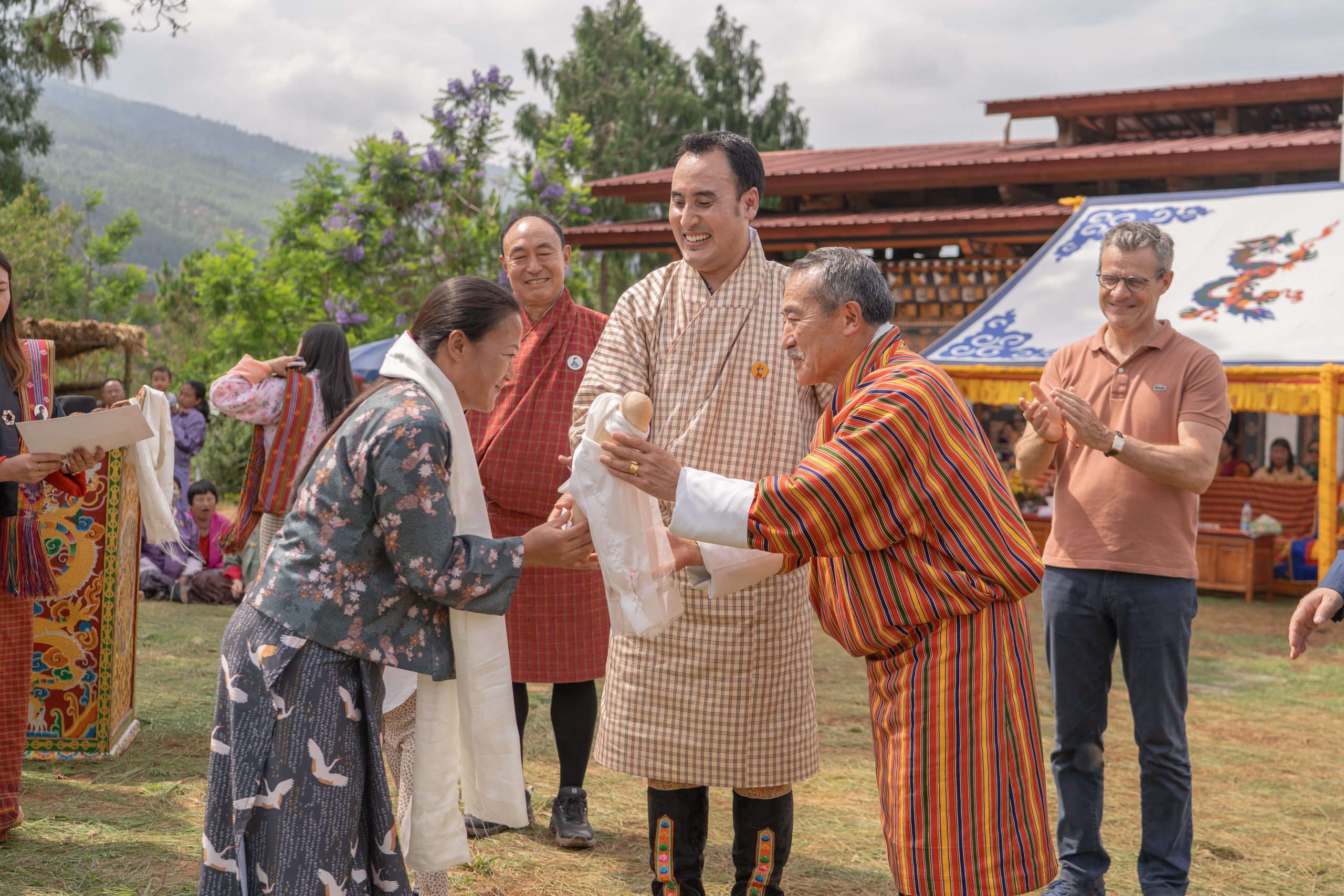
Day one featured traditional rituals and prayers, offering visitors an authentic glimpse into Bhutanese religious life as it has always been, not staged for tourists, but lived. Cultural performances filled the grounds with music and dance, while local farmers and entrepreneurs set up stalls of indigenous products, handicrafts, and traditional cuisine. Day two brought the Fertility Trail Run, a 10+ kilometer route from Toep-Chandhana to the gates of Chimi Lhakhang, with 53 participants competing across Men’s and Women’s categories. Winners received their prizes from the Lam of Chimi Lhakhang himself, blending athletic spirit with sacred tradition. The festival closed with the Tashi Loebay ceremony, a heartfelt offering of prayers for peace, prosperity, and happiness.
The Significance of the Monastery & Its Legend
Chimi Lhakhang holds a place of deep cultural and spiritual importance in Bhutan, standing as one of the kingdom’s most significant historical structures. Long before the monastery was built, this hillock and the land surrounding it were said to be under the grip of a powerful and destructive demoness who had made her home at Dochula, terrorising the region and disrupting the peace of the valley. She was no ordinary spirit; she was a fearsome force that conventional religious means could not easily subdue. It was Drukpa Kunley, the beloved and unconventional “Divine Madman,” who took it upon himself to confront her. True to his nature, he did not rely on elaborate rituals or formal prayers. Instead, he subdued the demoness using what legend describes as his “magic thunderbolt of wisdom,” an esoteric symbol of transcendent awareness and spiritual power that Kunley wielded in his own irreverent but deeply effective way.
Defeated by Drukpa Kunley, the demoness lost all her power and was transformed into a dog. She then disappeared into the earth at the very spot where the monastery now stands. The name of the monastery carries this story: “Chi-mi” simply means “No Dog” in Dzongkha; however, it does not literally translate to no dog in the vicinity. In Bhutanese Buddhist belief, defeating a demon does not mean destroying it; it means transforming it. The demoness was converted from a force of destruction into a protector of the sacred ground, and her transformation into a dog was a sign of that complete submission. The more conventionally minded Lama Ngawang Chogyel, who was the cousin of the Lama Drukpa Kuenley, formally established the monastery in 1499. The choice of location was not coincidental; it was the only fitting place, ground already touched and blessed by one of most spiritually powerful figures in Bhutan. Drukpa Kunley himself had described the round hillock as the breast of a woman, a description rooted in his deep sense of the site’s feminine and life-giving energy. For Kunley, this place carried a nurturing, abundant, and generative spirit, and it is that very spirit that has defined Chimi Lhakhang ever since, drawing those who seek new life, fertility, and the blessing of beginning.
The Drukpa Kunley and the Significance of Phallus
Among many visiting saints and scholars in Bhutan, Drukpa Kunley (1455–1529) stands out as the country’s most celebrated Buddhist yogi. Born into Tibet’s noble Ralung Monastery lineage, he’s typically pictured wandering with a bow and arrow. His legacy rests on his “crazy wisdom” teaching through deliberately shocking, taboo-breaking behavior rather than conventional methods, which earned him the nickname “Divine Madman.” Tradition holds he’d only grant blessings to those who arrived with a beautiful woman and a bottle of liquor in tow, and his teachings blended singing, dancing, poetry, and intimacy. He’s also remembered for using the phallus symbolically both to awaken the unenlightened and to ward off demons, which is why a wooden-and-ivory phallus relic, alongside his bow and arrow, is kept at Chimi Lhakhang today and used in fertility blessings. Countless legends surround his eccentricities: one tells of him repurposing a sacred thread meant for his neck by tying it to himself instead, for luck with women, inspiring artwork showing a ribbon-adorned phallus. He was also known to wander naked through Bhutan’s cold climate, which is why temple murals across the country often depict him unclothed, holding a bow and arrow or a cup of wine, with his dog Sachi nearby. Perhaps that is exactly why Drukpa Kunley is remembered so fondly throughout Bhutan; his teachings were always meant to be far ahead of what one would call conventional.
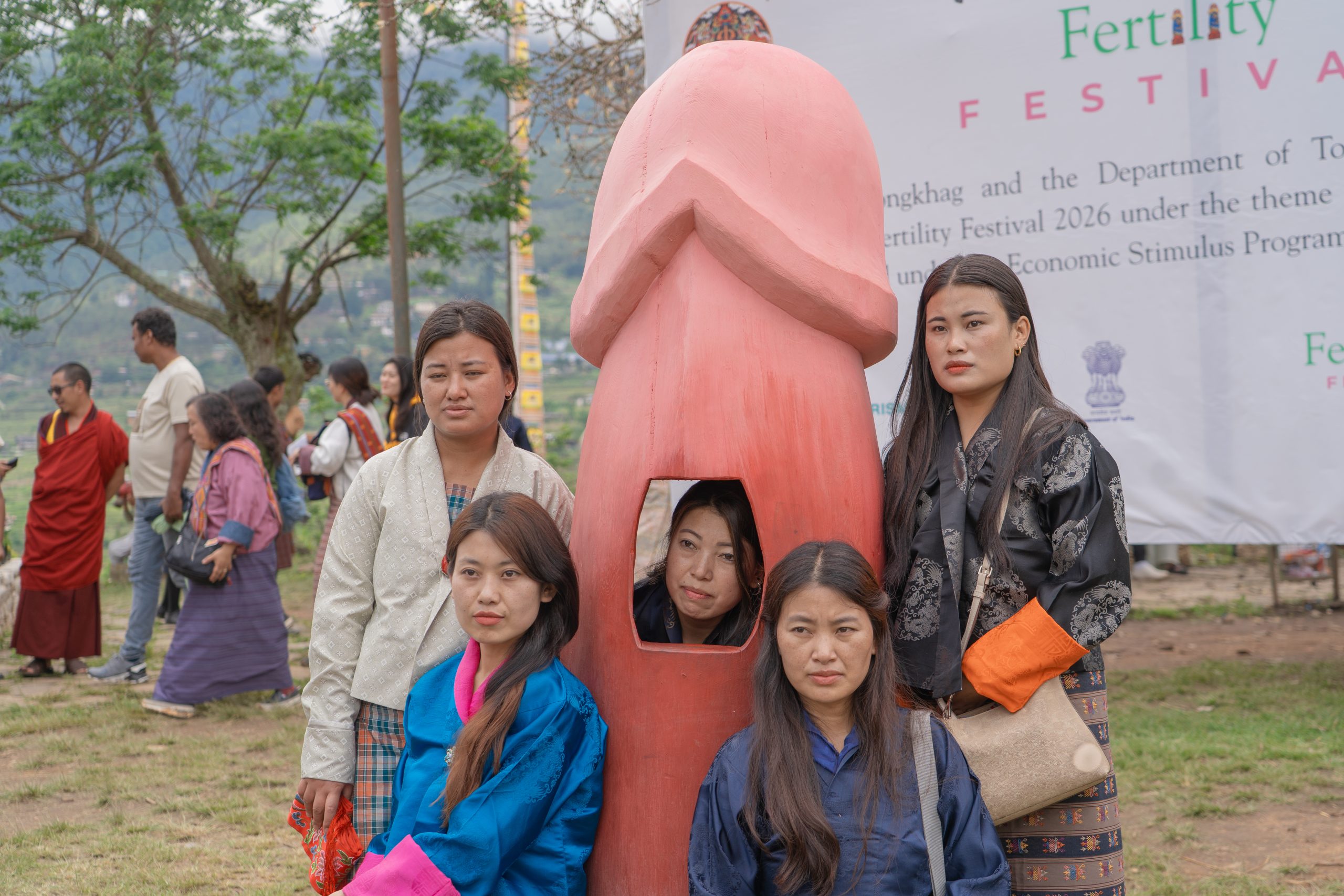
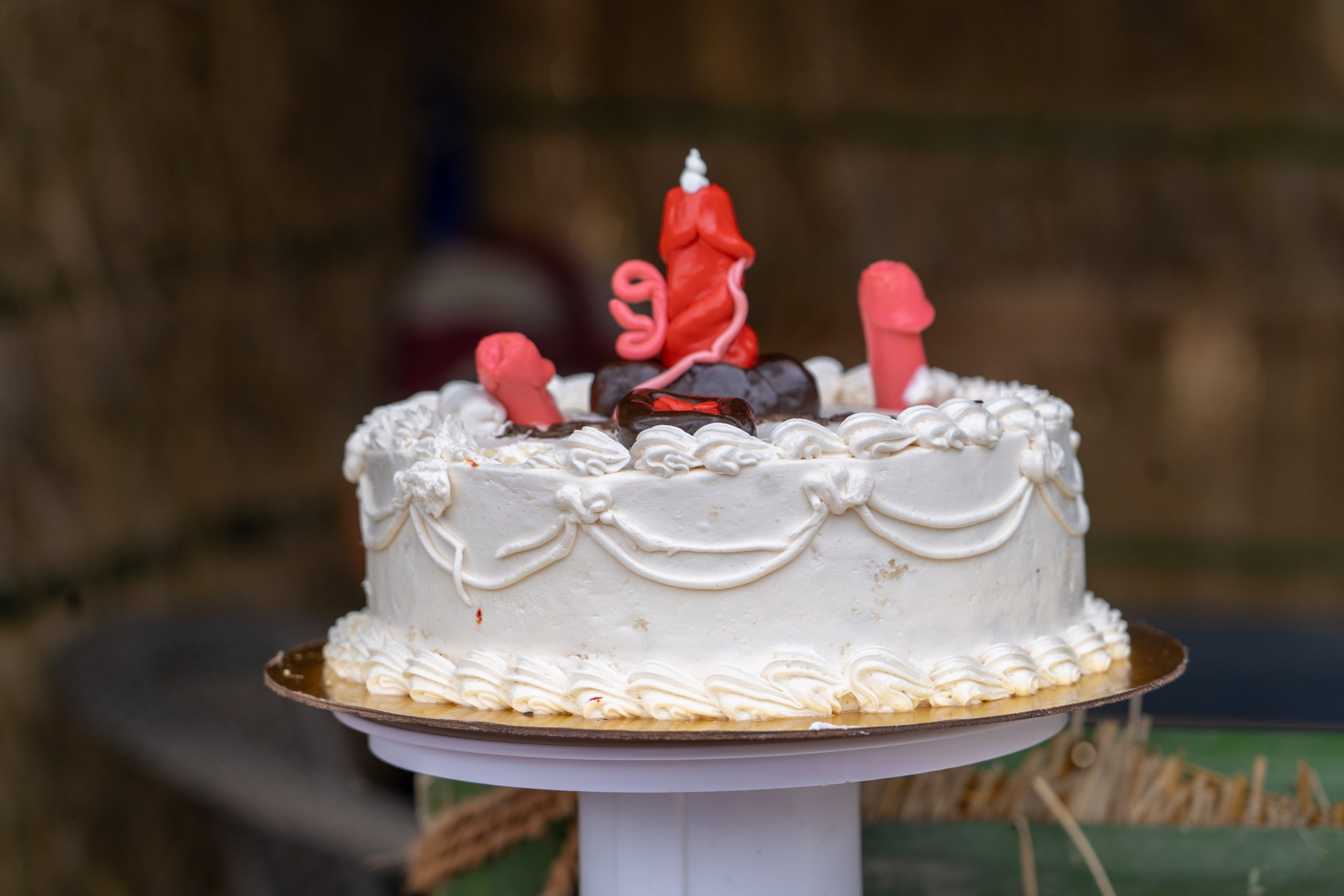
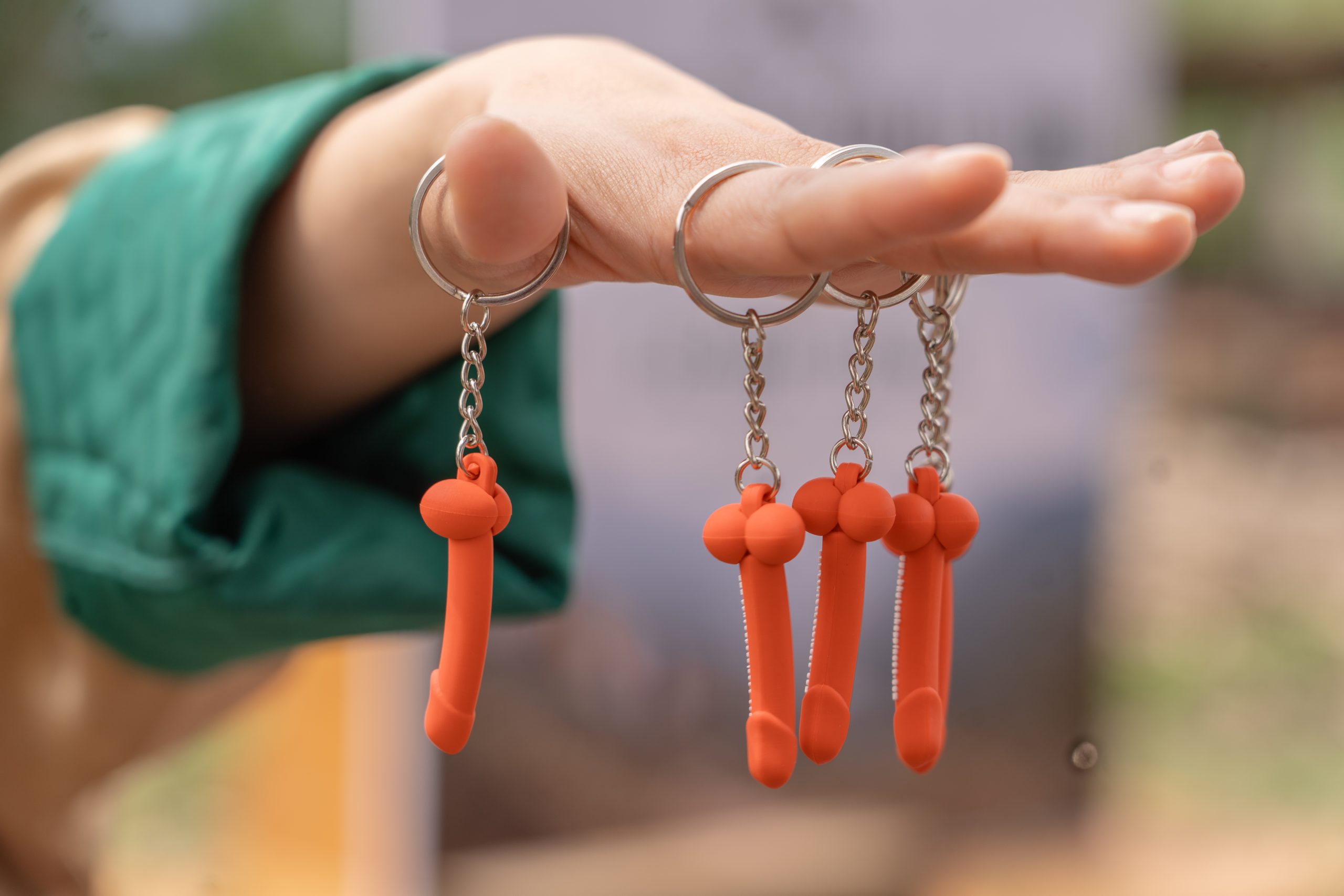
Today, throughout Bhutan, the phallus symbol can be seen flanking doorways, hanging off rooftops or painted on the corners of homes in all sizes and colours. Traditionally, Bhutanese believe that these phallic symbols help to ward off evil spirits and to drive malicious gossip away. It is also a symbolic reference of fertility and good luck. There are also numerous shops selling the phallic symbol souvenirs in the form of keychains or wooden sculptures. This is undoubtedly the legacy that has been left by Drukpa Kunley. However, the phallic symbols will not be found in the walls of any community temples or dzongs (fortresses), which are places of worship where Lamas and other Buddhist monks and nuns who have adopted a celibate lifestyle pursue their religious and spiritual attainment.
How to Visit Chimi Lhakhang and Experience the Festival
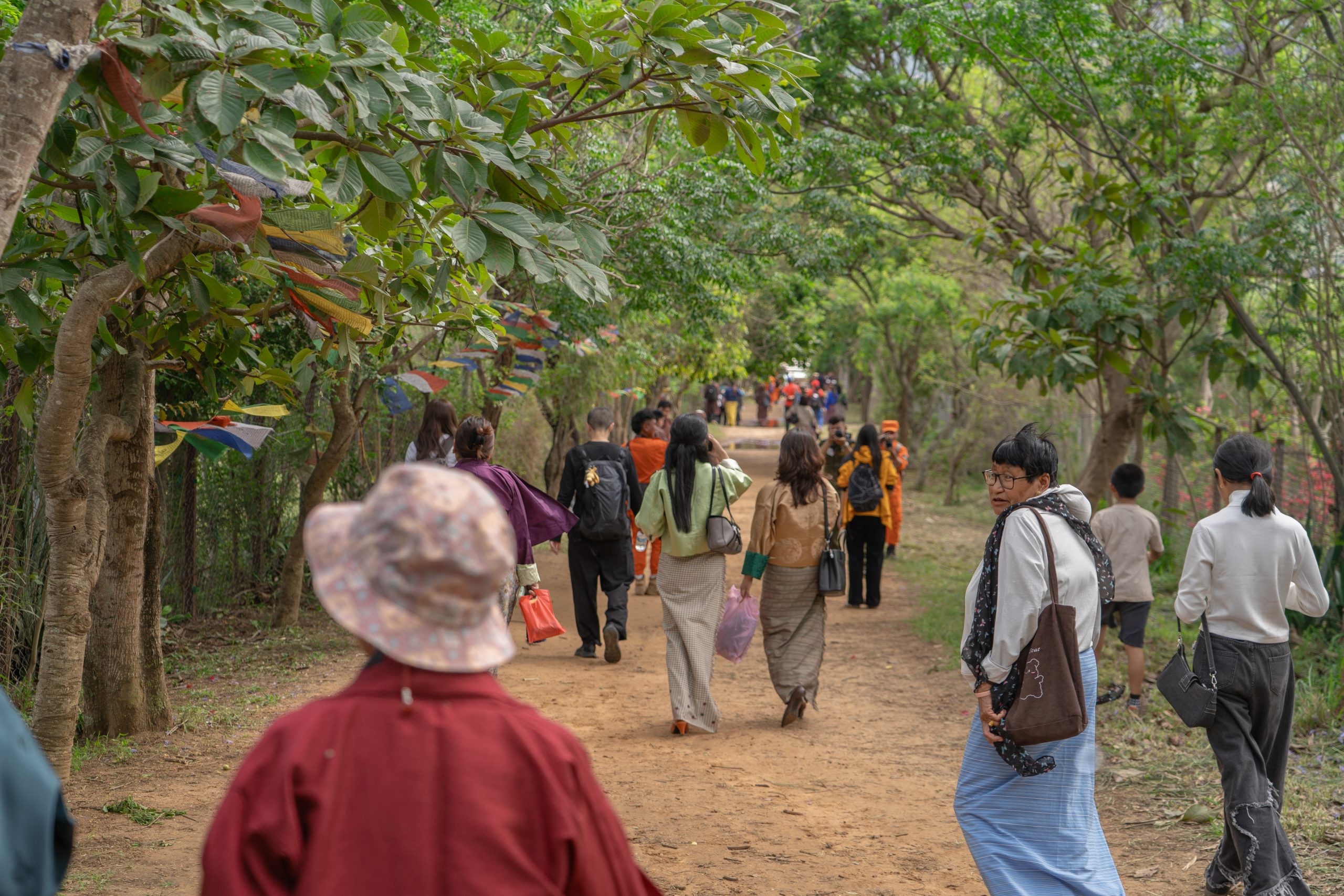
Chimi Lhakhang sits on a round hillock in Punakha District, near the village of Sopsokha, about 10 kilometers from Punakha town. To reach it, visitors take a scenic 20-minute walk from Sopsokha through fields of mustard and rice, passing prayer flags strung along the path and houses adorned with phallus paintings, a charming, rustic introduction to the temple’s unique legacy. Sopsokha itself is worth lingering in, with traditional architecture and handicraft shops selling phallus souvenirs of every shape, size, and color. A common parking area sits at the base of the monastery for those driving directly, while tourist vehicles can also park along the highway near Sopsokha for visitors who prefer the traditional walking route. Chimi Lhakhang is open daily from 9am to 5pm. Ready to witness this living tradition for yourself? Book a 7-day tour with us, and we’ll take you straight to the heart of Chimi Lhakhang and its Fertility Festival, alongside the best of what Punakha and Bhutan have to offer.
Writer’s Perspective: Fertility and Bhutan
Bhutan’s fertility rate has been falling, and falling fast. According to the UN, the Total Fertility Rate (TFR) dropped from an average of five to six children per woman in 1990 to fewer than two today a level now below replacement. Alongside this, the population growth rate has slowed sharply too, from over 3.1% in 1994 to less than 1% today. These aren’t just statistics; they signal a quiet but significant shift in the Demographic future of Bhutan. The Cabinet Secretary has pointed to the 13th Five-Year Plan, which aims to build a shock-responsive, inclusive, and comprehensive social protection system by 2029, a step toward ensuring no one is left behind as the country navigates this demographic shift. Perhaps this is where the festival’s deeper significance lies. On the surface, it may seem like a lighthearted celebration, but underneath, it touches on something far more profound: the declining fertility rate of Bhutan, and a quiet hope for the children who will shape its future.
Our 7-day tour takes you straight into the heart of this living tradition, from the walk through Sopsokha’s phallus-painted village to the festival grounds at Chimi Lhakhang, alongside the best of Punakha’s culture and landscapes. This trip is perfect for curious travelers, couples seeking blessings of their own, photographers chasing authentic cultural moments, and anyone wanting to witness a side of Bhutan rarely shown to the outside world. Beyond the festival itself, you’ll experience Bhutanese hospitality, breathtaking countryside, and a tradition that blends spirituality with humor and humanity in a way found nowhere else.
We recommend booking at least 2-3 months in advance to secure your spot, especially since the festival draws both local and international visitors in growing numbers. Early booking also gives us time to tailor your itinerary around the festival dates and any other sites you’d like to explore.

Happiness Kingdom Travels
Founded in 2000, Happiness Kingdom Travels has over 25 years of experience creating authentic and customized travel experiences across Bhutan. As one of Bhutan's leading tour operators, our team of certified guides can assist travelers in more than 12 languages and are accredited by Bhutan's Department of Tourism. We specialize in personalized Bhutan tours, cultural experiences, festival journeys, trekking adventures, and luxury travel packages. With thousands of satisfied travelers from around the world, Happiness Kingdom Travels is committed to helping visitors experience the very best of Bhutan through reliable information, professional guidance, and exceptional service.
Related Blogs
Planning the Ultimate Autumn Bhutan Festival Tour: Thimphu & Paro Tshechu Guide
Autumn in Bhutan feels like the country finally exhales. The monsoon clouds move on, the valleys turn crisp and...
Why September and October Are the Best Time to Travel to Bhutan
If you’re trying to figure out the best time to travel to Bhutan, September deserves a serious look. The...
Top 10 Eco-Friendly Brands for Bhutan Trekking Holidays
If you’re planning Bhutan trekking holidays from the USA, the trail you pick matters, but so does what’s in your backpack....


